








Introduction:Have you ever had this experience: ordering the same iced Americano made from the same beans at the same café, only to find that each time it tastes slightly different in acidity, aroma, or body? It’s not your imagination at all. This article delves into the four key variables that affect espresso extraction, including the coffee bean resting period, weather conditions, grinder hopper pressure, and continuous brewing temperature control. It also explains the ideal extraction ratio and logic behind a standard iced Americano, helping you better understand the science behind a great cup of coffee.
You walk into a café, order your usual iced Americano, and find that this time the flavor is a bit off compared to what you remember—even though it’s the same beans, why does the fruit acidity seem more pronounced? Is the mouthfeel crisper or richer? This kind of situation is not uncommon, and often it’s not the barista’s mistake, but the result of multiple variables interacting together.
These variables include the coffee bean resting time, the day’s humidity, the amount of beans left in the grinder hopper, and the heat generated by the grinder during continuous brewing. All of these factors can directly interfere with the stability of espresso extraction, thereby altering the final flavor profile of the Americano once ice and water are added.
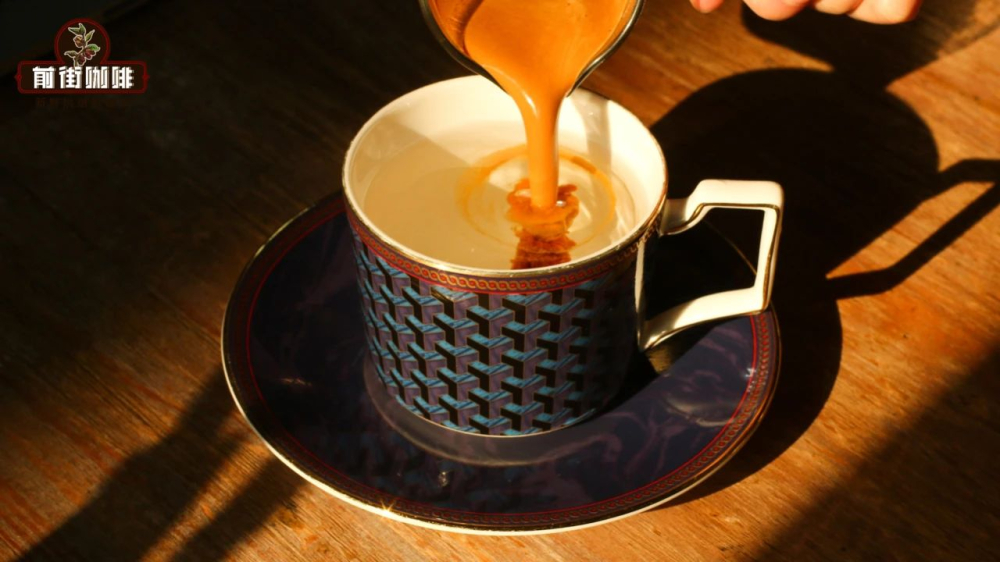
Many baristas have encountered customers asking puzzledly, “Did you change the recipe? Today’s Americano tastes different from last time…” Although it turns out the beans haven’t been changed, there are indeed fluctuations in the details of each cup. Take the iced Americano, for example—it’s just espresso plus ice water, but the quality and stability of the espresso itself are what ultimately determine the overall flavor.
In most cafés, the espresso bean blend, dose, and extraction ratio are standardized. For instance, a certain café commonly uses the Sunflower · Warm Sun blend, with a single shot of espresso using 20g of coffee grounds to extract 40g of liquid, and adjusting the amount of hot water and ice based on whether it’s a hot or iced drink. The iced Americano typically replaces hot water with 90g of ice and 160g of room-temperature water, maintaining the same overall ratio and extraction logic.
So if the beans are the same and the ratio is fixed, why do flavor differences still occur? The following four key variables are precisely the important factors that influence the final extraction results.
1. Resting Period: Affects Initial Aroma and Body Performance
Freshly roasted coffee beans contain a large amount of carbon dioxide, especially dark roasts, whose bean structure is looser and releases more gas. If extracted without proper resting, the large amount of bubbles will hinder the release of flavor compounds, leading to uneven extraction, rough or clumped crema on the surface, a lack of rich body, and possibly abrupt acidity.
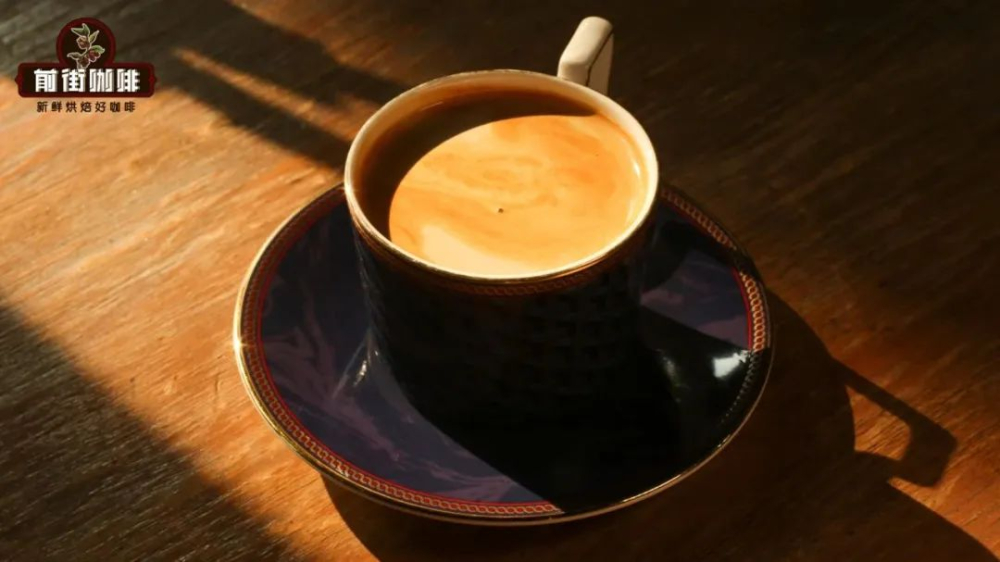
It is generally recommended that beans rest for about 10 days after roasting, allowing the internal carbon dioxide to gradually dissipate and reach a more stable extraction state. A certain café usually lets its Warm Sun espresso beans rest for a full 10 days before use.
During the resting period, the flavor also changes over time. Between days 10–20, the espresso crema is relatively thick, the acidity tends to be bright—like a fresh raspberry-like tartness paired with vanilla, cream, and slight fermentation notes. By days 20–30, the crema gradually thins, and the later-stage caramel, nutty, and wine-like aromas become more pronounced, with the overall mouthfeel leaning toward a richer and fuller body.
2. Weather Changes: Humidity and Air Pressure Disrupt Extraction Stability
Beyond the condition of the beans themselves, external environmental factors also significantly impact espresso quality. High humidity and low air pressure—such as on rainy days or during humid spells—cause coffee beans to absorb more moisture, leading to clumping during grinding and increasing the likelihood of channeling, which results in uneven extraction.
Bean clumps or uneven grinds can cause some areas to be over-extracted while others are under-extracted, potentially resulting in noticeable off-flavors, bitterness, or even saltiness in the next cup. In addition, lower atmospheric pressure can also affect the performance of the espresso machine’s pressure gauge, making the aroma and flavor layers of the extraction less rich than usual.
Experienced baristas pay closer attention to extraction conditions in such weather, making grind adjustments or tamping pressure tweaks when necessary to ensure consistent output.
3. Hopper Pressure: Insufficient Bean Level Affects Grinding Uniformity
Many baristas fill the grinder hopper to the top before opening the shop—not just for convenience, but to maintain stable grinding pressure. When the amount of beans in the hopper falls below a quarter, the pressure on the burrs decreases, causing the grind size to become coarser.
Practical tests have shown that with insufficient beans, the extraction time for a double shot of espresso with the same dose may shorten by 3–5 seconds, affecting flavor performance. Therefore, to avoid extraction errors caused by bean level changes, it is recommended that baristas don’t wait until the hopper is nearly empty before refilling.
4. Continuous Brewing: Heat Build-Up and Aroma Volatilization
When a grinder operates continuously, the high-speed rotating burrs generate frictional heat, which not only causes subsequently ground coffee particles to become coarser or inconsistent in size, but also raises the temperature of the puck, affecting flow rate and stability during extraction.
In addition, high temperatures accelerate the loss of volatile aromatic compounds in the coffee beans, thereby reducing the body and overall richness of the espresso. Therefore, during peak hours of continuous brewing, baristas need to pay special attention to fine-tuning extraction parameters to ensure consistent quality across every shot.
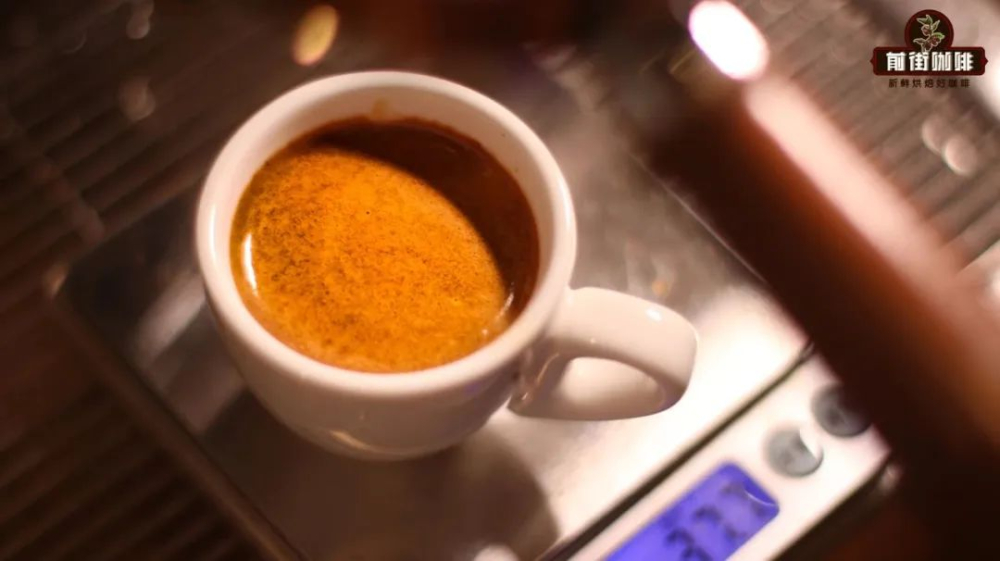

Of course, beyond these four major variables, other details may also impact extraction results—such as uneven distribution, inconsistent tamping pressure, handle collisions causing loose puck layers, or inaccurate control over extraction time and liquid weight. These are all rigorous tests of a barista’s fundamental skills.
Understanding these variables is not about blaming the barista, but rather about helping every coffee enthusiast better appreciate the complexity and precision behind an Americano, and further sense the depth and possibilities within the espresso system.
The above content is compiled by CoffeeHunters, a coffee news website.


