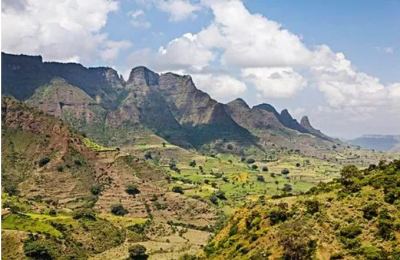
Introduction:Did you know that every cup of Arabica coffee you drink today actually originates from the highlands of Ethiopia? From wild coffee forests to major growing regions around the globe, this migration journey has not only transformed the growing environment of coffee but also shaped its incredibly diverse flavor profiles. This article will take you on a tour of key coffee-producing regions including Ethiopia, the Americas, and Asia, analyzing how different altitudes, soils, and climates influence the flavor expression of coffee. It also offers practical advice on bean selection and tasting to help you find your perfect coffee match.
The origin of Arabica is the highland region of Ethiopia, which still retains vast expanses of wild coffee forests. The global spread of coffee relied on the long journey of just a few coffee seedlings—starting from Ethiopia, transiting through Yemen, and then arriving in Southeast Asia and the Americas by sea. Today, almost all Arabica varieties planted around the world can be traced back to this historic migration route. This geographical movement has directly led to a rich diversification of flavors: varying altitudes, soil compositions, and climate conditions have allowed the same coffee tree species to develop distinctly different flavor personalities. These differences have also become an important basis for modern espresso blend formulations.

Ethiopian coffees are known for their bright floral notes and citrus acidity, with the Yirgacheffe region being a prime example. For instance, coffee from the Kochere village in this region, when processed using the washed method, delivers a clean and bright cup profile. When brewed as espresso, it showcases vivid floral and fruity aromas, making it an excellent entry point for those who enjoy brighter flavors. This coffee is often regarded as a benchmark for evaluating floral-style espresso beans when used as a single-origin espresso (SOE). In contrast, coffees from the Americas exhibit more restrained and robust characteristics. For example, coffee from Brazil’s Cerrado region, grown on gentle hillsides and processed using the natural method, offers intense nutty and chocolatey sweetness. Meanwhile, coffee from Colombia’s Huila region, cultivated at high altitudes in the foothills of the Andes, retains bright acidity along with caramel-like sweetness. These two flavor profiles complement each other in an espresso blend, creating a well-balanced taste.
Asian producing regions are also an indispensable part of this coffee migration journey. Take Indonesia’s Golden Mandheling as an example—it’s processed using the wet-hulled method, resulting in a low-acidity, full-bodied cup with earthy and dark chocolate notes, offering another option for espresso lovers who prefer stronger flavors. In Yunnan, typica and bourbon varieties have been cultivated for over a century. The high-altitude growing environment allows these beans to deliver clean, sweet profiles when used in espresso, with a tea-like aftertaste. Particularly, Yunnan-grown typica, with its delicate sweetness as the base, performs steadily and smoothly in milk-based drinks, almost offering a glimpse into the original traits of those migratory seedlings a century ago. It also proves that domestic coffee beans have remarkable potential for use in espresso.

When selecting espresso beans, you might think of the region as a flavor map for a journey: starting with the fruity and floral notes of Ethiopia, traveling through the nutty and caramel sweetness of the Americas, and finally arriving at the bold and grounded character of Asia. Each region has its representative flavor profiles and bean varieties, allowing you to explore step by step according to your personal taste. If you’ve already grown accustomed to a certain style, try beans from the next region—your palate will remember this coffee tour spanning diverse terroirs. Moreover, choosing beans sourced across a wide range of regions has another practical benefit: their distinct flavor characteristics help you identify your own taste preferences more quickly. After trying several coffees from different regions, revisit the roast profile or blend description on the bag, and you’ll gain a clearer understanding of where each flavor comes from and how they’re blended together. After all, the essence of coffee’s migration is to allow this species to develop unique and exquisite flavor traits in every corner of the world.
The above content is compiled by CoffeeHunters, a coffee news website.