







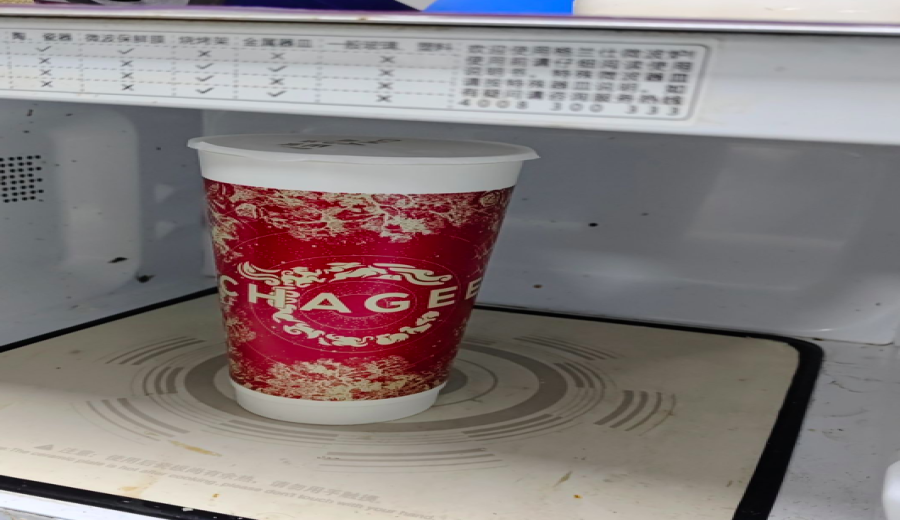
Introduction:As the weather turns cooler, many consumers habitually use microwave ovens to reheat takeaway milk tea that has gone cold. However, there have been frequent reports of paper cups burning or even smoking when heating Jasmine Nai Bai (茉莉奶白) drinks. Initially, there were doubts about the quality of the brand’s paper cups, but the real issue may be related to the cup’s decorative elements and how it is used in the microwave. This article delves into the reasons behind heating failures and offers safe reheating suggestions to help you avoid potential hazards.
As temperatures drop, takeaway milk tea often arrives less than hot. Many consumers opt to reheat it themselves using a microwave oven to enjoy a warm drink. A common method shared online involves peeling off the seal film on the cup or poking a few small holes to allow steam to escape, followed by heating on medium power for about one minute or high power for around thirty seconds—just enough to bring the drink back to a palatable temperature.
However, recently, multiple consumers reported that when heating milk tea from the brand ‘Jasmine Nai Bai’ in a microwave, the paper cup severely scorched, with the liquid inside turning black and nearly causing a fire. Photos shared by netizens show obvious black burn marks on the outside of the cup after microwaving, which look quite alarming.
Many users mentioned that they had previously used the same method to reheat milk tea from other brands such as Chadō Tea Ji (霸王茶姬), Mixue Ice Cream & Tea (蜜雪冰城), and Nayuki (奈雪), without encountering similar problems. This has led them to suspect that there might be a quality defect in Jasmine Nai Bai’s paper cups and raised concerns about whether it affects beverage safety.
However, after the incident came to light, many netizens defended Jasmine Nai Bai, pointing out that the brand actually includes a label on the cup that reads “Do not microwave.” It seems that some consumers may not have noticed this warning and still placed the entire cup, including the paper packaging, in the microwave, leading to the accidents. Some even joked that the brand is “more wronged than Dou E,” becoming the center of the controversy unfairly.
In reality, beyond consumer misunderstanding, the incident also involves the technical principles of microwave heating and the limitations of paper cup materials. Most commercially available tea drinks come in paper packaging cups, and unless specifically labeled as “microwave-safe,” they are generally not recommended for microwave use. The reason is that paper materials are not heat-resistant; prolonged or high-power heating can cause them to deform and even pose a fire risk.
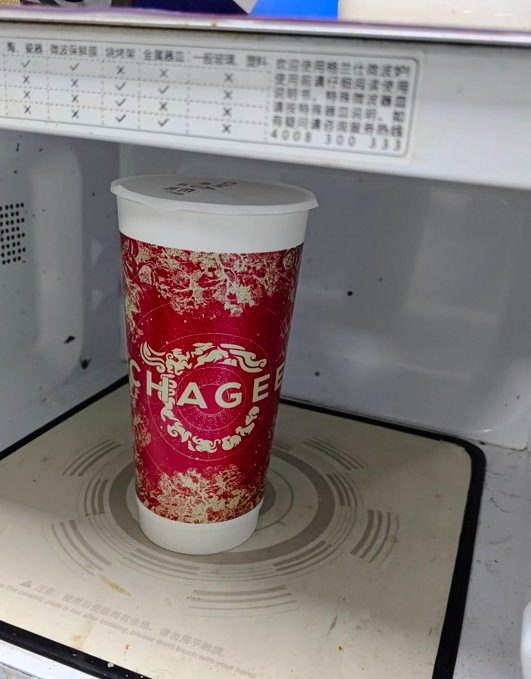
Additionally, many paper cups have a thin internal coating for waterproofing or leak prevention. When overheated, these coatings may release chemicals harmful to human health, thereby contaminating the drink. Therefore, even if some consumers report not seeing immediate flames after heating, it doesn’t mean the practice is entirely safe—it could still pose potential long-term health risks.
So why are Jasmine Nai Bai’s paper cups particularly prone to issues? Some netizens suggest the problem may lie in the decorative patterns on the cup. To enhance brand recognition, the brand has recently been using paper cups printed with gold foil designs or patterns. While these metallic-looking decorations are primarily aesthetic, they actually contain trace amounts of metal.
According to the way microwaves work, metal materials reflect microwaves, which not only prevents effective heating of the beverage but can also create localized hot spots on the cup, resulting in sparks, electric arcs, or even igniting the paper cup. As such, even small amounts of metallic decoration can act as a potential ignition source.
Regarding this incident, experts and netizens alike have reminded the public that although there are many shared experiences online of successfully reheating milk tea in the microwave, such “clever” methods are high-risk behaviors that could lead to fires, explosions, or other safety accidents. The risks are even higher when using unidentified paper cups or packaging with metal decorations.
If you really need to reheat your milk tea, it’s advisable to use safer methods, such as pouring the drink into a ceramic or glass container before heating, while carefully monitoring the heating time and power to avoid overheating. Consumers are also encouraged, if they find their drink not warm enough upon receiving it, to ask the store to reheat it or provide insulation measures, ensuring both beverage quality and personal safety.
In summary, the “scorched milk tea cup” incident is not just a misunderstanding about the brand, but also a reminder of the various limitations and potential dangers of microwave heating. Next time you’re craving a hot milk tea, remember to think twice before you heat—don’t let convenience become a safety hazard.
The above content is compiled by CoffeeHunters, a coffee news website.


