







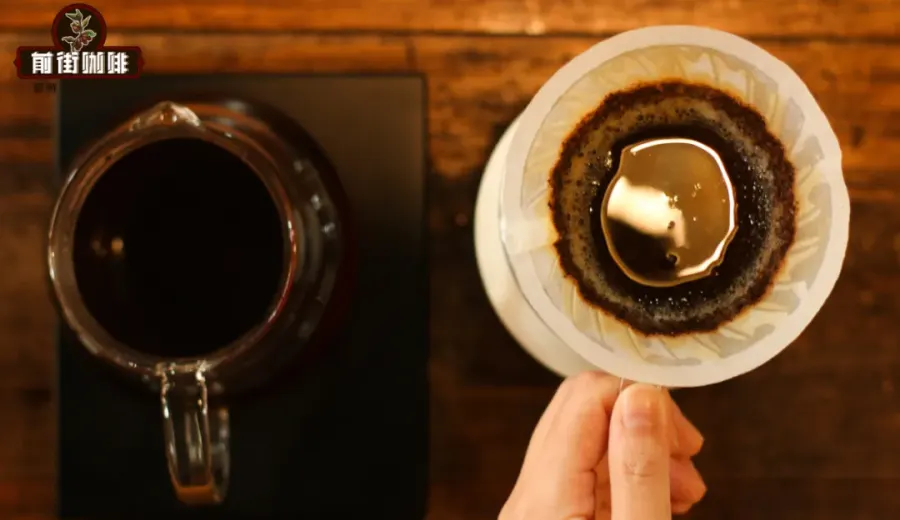
Introduction:The cutoff technique in pour over brewing is often used to adjust the flavor of the latter part of the extraction, but many coffee enthusiasts still misunderstand its principles and practical application. This article will delve into the correct timing for cutoff, analyze the key differences between brew ratio and extraction ratio, and explain when it is appropriate to actively apply cutoff versus when it occurs as a passive response. This will help you optimize your brewing strategy more scientifically and enhance the overall performance of your coffee.
During the pour over brewing process, cutoff is a frequently discussed technique. Many coffee lovers, worried that the final liquid may carry overly strong bitterness, tend to discard the remaining liquid toward the end of brewing. However, this approach does not always yield positive results—when used at the wrong time, it can even disrupt the overall balance of the coffee. This article starts from basic concepts, clarifies the definitional differences between brew ratio and extraction ratio, analyzes the dissolution patterns of bitter substances, and details the two scenarios where cutoff is genuinely suitable.
Many people intuitively discard the final stage of coffee liquid during brewing, believing this helps avoid bitterness. However, cutoff is not a cure-all—misusing it not only fails to enhance flavor but may also strip the coffee of its intended layers and concentration.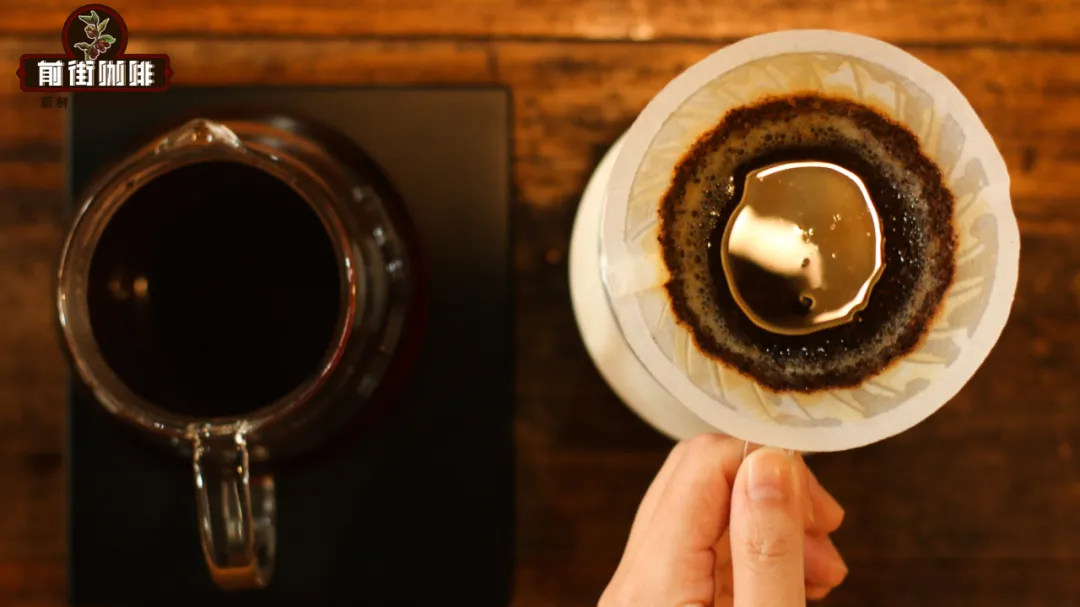
The reason why some frequently resort to cutoff is largely based on a common belief: bitterness mainly comes from the later-stage liquid. But in reality, the release of bitter substances occurs throughout the entire extraction process—it’s just that their molecules are larger and dissolve more slowly. Bitter components are gradually released only after the acidic and sweet substances have fully dissolved. If the brewing time is too long, leading to excessive bitter substances entering the coffee liquid, unpleasant flavors may result.
When setting reasonable extraction parameters, we typically end brewing at the right moment after the acidic and sweet flavors are sufficiently expressed, thereby avoiding negative flavors. Interested coffee lovers are encouraged to try tasting the final-stage liquid on its own under stable parameters—it often turns out not as bitter or astringent as imagined, and may even present a soft tea-like mouthfeel, with acidity and sweetness being subtle yet still well-balanced. This proves that, under proper parameter control, the final-stage liquid is not “waste liquid.”

If you find that the final-stage coffee liquid is noticeably bitter, it’s better to examine the overall brewing settings—for example, whether the water temperature is too high, the grind size too fine, or the total extraction time too long. Under normal circumstances, as long as the coffee beans are of good quality and the parameters are appropriate, the final-stage liquid is usually not the source of negative flavors—in fact, it helps maintain the coffee’s full concentration and flavor structure.
If cutoff is applied too early, the most common negative impacts include higher overall concentration, incomplete flavor expression, and a lack of finish. Especially within a light-roasted bean brewing framework such as 15g coffee, sugar-fine grind, 1:15 brew ratio, 92°C water temperature, and 2-minute extraction time—the final-stage liquid is actually an important component of the overall flavor. Removing it abruptly not only risks increasing concentration, but also removes the subtle flavors and aftertaste provided by the final phase, affecting the overall drinking balance.
So, in which situations is cutoff appropriate? Overall, the application of cutoff can be divided into two main scenarios: one where cutoff is proactively included as part of the overall brewing plan, and the other where it is a passive measure taken due to unexpected issues such as clogging.
In the early days of coffee brewing, when precise measuring tools were lacking, many coffee enthusiasts used what was called the “extraction ratio” as a brewing guideline. The extraction ratio refers to the proportion between the weight of coffee grounds and the final weight of the dripped coffee liquid. At that time, because it was difficult to accurately measure the amount of water poured, many people would estimate the final liquid output by observing the height of the liquid in the filter and taking into account the capacity of the vessel. Once the coffee liquid reached the desired target, the filter was promptly lifted to stop further dripping and avoid over-extraction.
This operation is essentially a form of cutoff. The primary purpose of using this method back then was to control the final volume of coffee liquid, ensuring that no additional liquid that might carry negative flavors would be introduced through continued dripping. Thus, cutoff was actually a pragmatic coping strategy in those early days, especially when it was not possible to precisely control extraction parameters.
Another common scenario for cutoff is a passive response, which is also a frequent issue encountered by many coffee lovers. When using lightly roasted beans with harder bean texture, or when the grinding process produces too many fines, channeling or filter clogging can easily occur during brewing. Once clogging happens, the flow rate slows down, extending the overall extraction time and thereby increasing the risk of over-extraction. In such cases, if no timely measures are taken, the coffee is likely to extract excessive bitterness, off-flavors, and astringency.
Under such conditions, cutoff becomes an emergency measure to reduce the impact of negative flavors. By interrupting the dripping ahead of time and minimizing the entry of potentially over-extracted liquid into the cup, one can then assess whether additional bypass water is needed to adjust the final coffee concentration. However, this remains a contingency measure—the ideal brewing state should still aim to avoid clogging and excessively long extraction times through optimized parameters.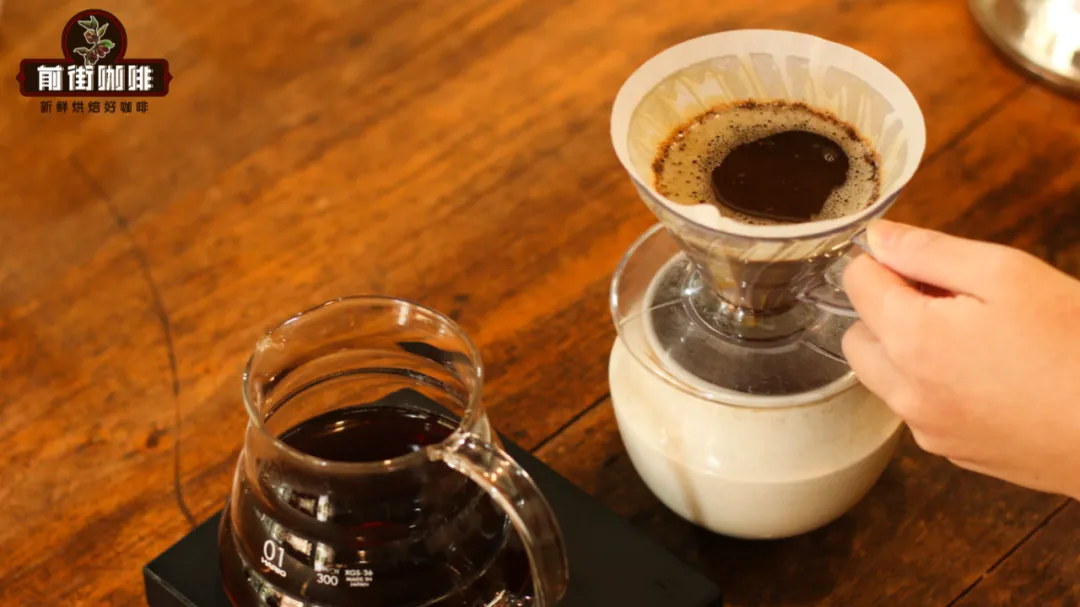
The above content is compiled by CoffeeHunters, a coffee news website.


