







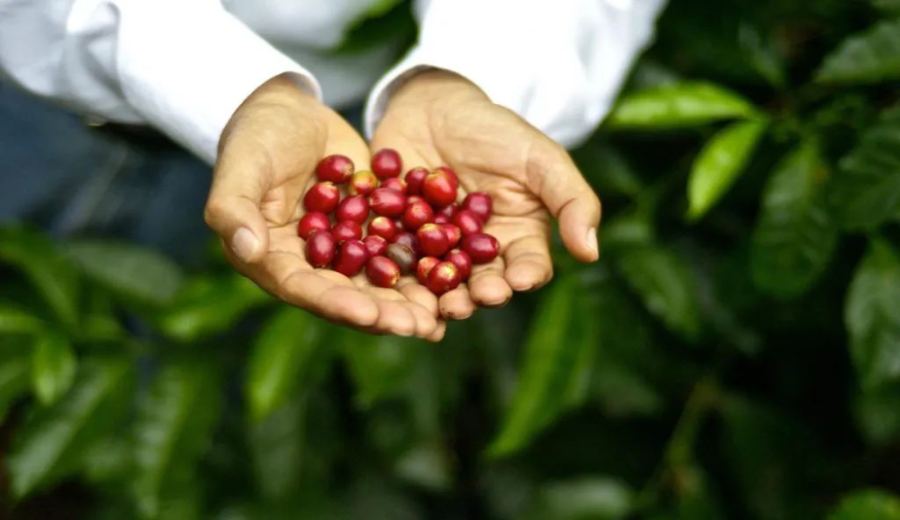
Introduction:This article delves into the similarities and differences in flavor profiles between Geisha coffees from Costa Rica and Panama. It comprehensively analyzes the unique characteristics of Geisha from these two major regions by examining variety origins, growing region geography, climate conditions, and processing method variations. Additionally, it provides a detailed analysis of the honey-processed Geisha from Labrador Estate in the Tarrazú region, along with practical tasting references to help coffee enthusiasts master key points in selection and brewing.
Geisha (Geisha), since its stunning debut at international coffee competitions in 2004, has become a legendary variety in the specialty coffee world. This coffee variety, originating from Ethiopia, was initially overlooked due to its low yield, tall plant stature, and susceptibility to diseases. However, its high resistance to coffee leaf rust led to its introduction by multiple national research institutions. In 1953, Geisha was first introduced to Costa Rica and did not reach Panama until the 1970s, where it blossomed with astonishing potential in the unique environment of the Chiriquí Volcano.
Panama’s terrain is predominantly mountainous and volcanic, with most of the country characterized by a tropical maritime climate, except for the narrow coastal plains. Coffee-growing areas are mainly concentrated in high-altitude zones ranging from 1,200 to 2,000 meters above sea level, where significant day-night temperature variations help coffee cherries ripen slowly and accumulate rich flavor compounds. Chiriquí Province is the core coffee-producing region of Panama, encompassing three renowned sub-regions: Boquete, Volcán-Candela, and Renacimiento, which nurture top-tier estates such as La Esmeralda, Elida, and Hartmann.
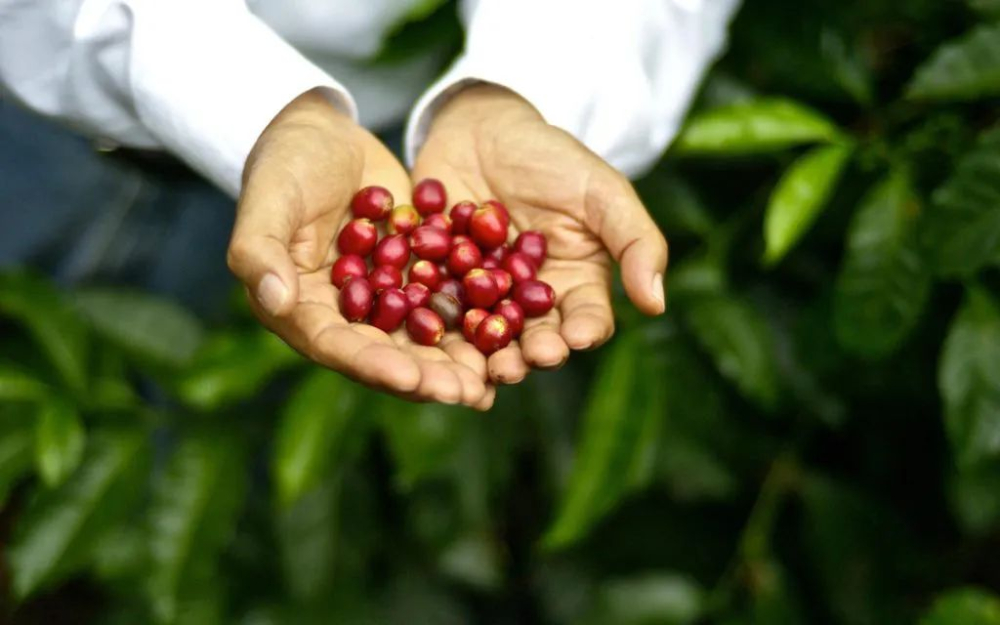
A certain coffee brand once launched a Panamanian Geisha from Boquete processed using the washed method. After brewing, it exuded distinct jasmine and lemon acidity aromas, followed by the freshness of bergamot and a honey-like sweetness. The finish carried a crisp, green tea-like layer, delivering an overall refreshing and layered profile, making it one of the representative expressions of the classic Panamanian Geisha flavor.
Costa Rica’s coffee-growing environment is equally exceptional, primarily located in the central volcanic mountain range at altitudes between 800 and 2,000 meters. Volcanic soils rich in minerals, combined with stable rainfall and a mild climate, provide ideal conditions for coffee tree growth. Although neighboring Panama and sharing similar environments, Costa Rica’s microclimates and traditional processing methods still shape its unique coffee character.
Particularly noteworthy is the Santa Isabel Labrador Estate in the Tarrazú region, situated at an altitude of approximately 1,950 meters. With distinct dry and rainy seasons, it forms a diverse array of microclimates. The estate has long been committed to specialty coffee production and has repeatedly achieved outstanding results in the COE (Cup of Excellence) competitions. The honey-processed Geisha tasted this time is one of its flagship offerings.
This honey-processed Geisha retains some mucilage during processing, imparting a richer sweetness and fruitiness to the coffee. Upon brewing, subtle floral notes emerge first, followed by successive fruit aromas of cherry, orange, and yellow peach. The mouthfeel is vibrant, akin to freshly squeezed juice, and the finish is clean with an aftertaste reminiscent of oolong tea, showcasing the refined characteristics of Costa Rican processing methods.
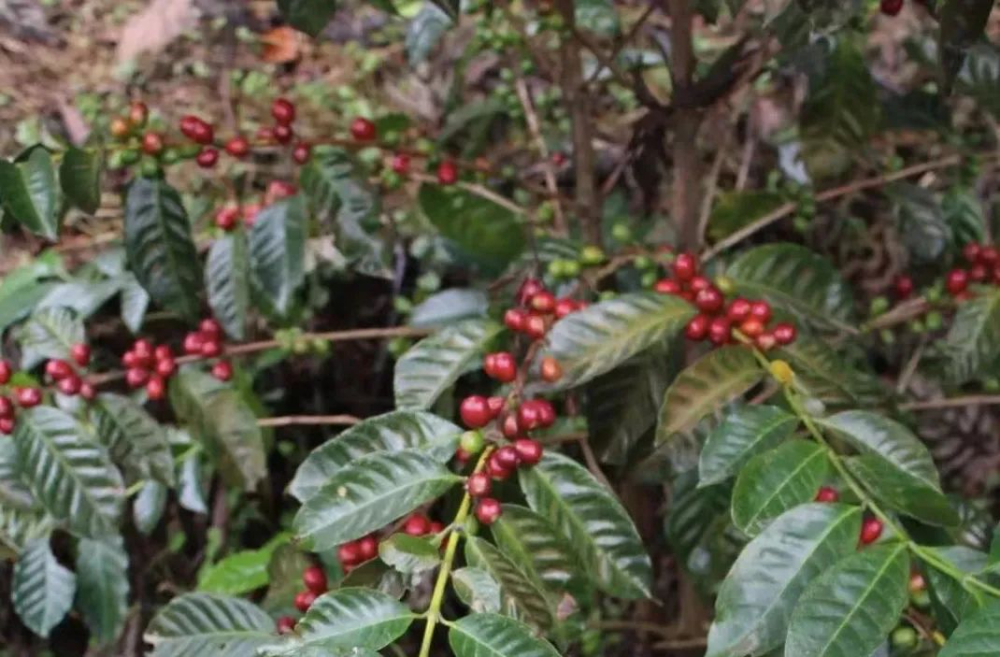
Overall, although both countries grow the same variety, their Geishas exhibit distinctly different flavor profiles due to variations in geographic environment, altitude, and processing techniques. Panamanian Geisha typically presents a more complex layered profile, ranging from floral and citrus notes to tropical fruits and honey-like sweetness, spanning a broad flavor spectrum. Costa Rican Geisha, on the other hand, often highlights a more pronounced sweetness—thanks largely to the widespread use of honey processing—resulting in relatively focused yet highly distinctive flavors.
For coffee enthusiasts, whether you prefer the refreshing floral-fruity notes of Panamanian washed Geisha or the rich, sweet flavors of Costa Rican honey-processed Geisha, understanding regional characteristics and processing details can help you make more informed choices when selecting and brewing. Remember, even the same variety, when shaped by different microclimates and processing methods, can reveal a myriad of diverse flavor possibilities.
The above content is compiled by CoffeeHunters, a coffee news website.


