







Introduction:Flannel filters hold an irreplaceable position in the world of pour over coffee. Their unique material properties impart richer crema and a fuller body to the coffee. This article delves into the historical background, extraction characteristics, proper usage methods of flannel filters, and provides detailed cleaning and maintenance steps, as well as recommended coffee bean varieties suited for them, helping coffee enthusiasts fully master this classic technique.
In the realm of pour over coffee, paper filters have long been the mainstream choice. However, flannel filters, with their distinctive material and filtration effects, remain highly favored by many specialty coffee shops to this day. Compared to paper filters, flannel has looser pores, allowing coffee oils and some fine particles to pass through, resulting in a more intense aroma and smoother, richer mouthfeel. These characteristics make it particularly suitable for extracting dark roasted coffee beans, showcasing deeper layers of flavor.
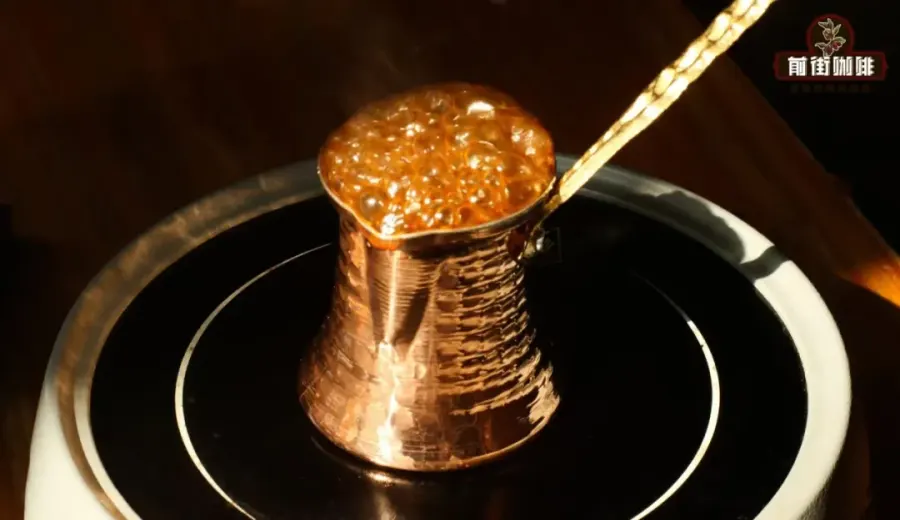
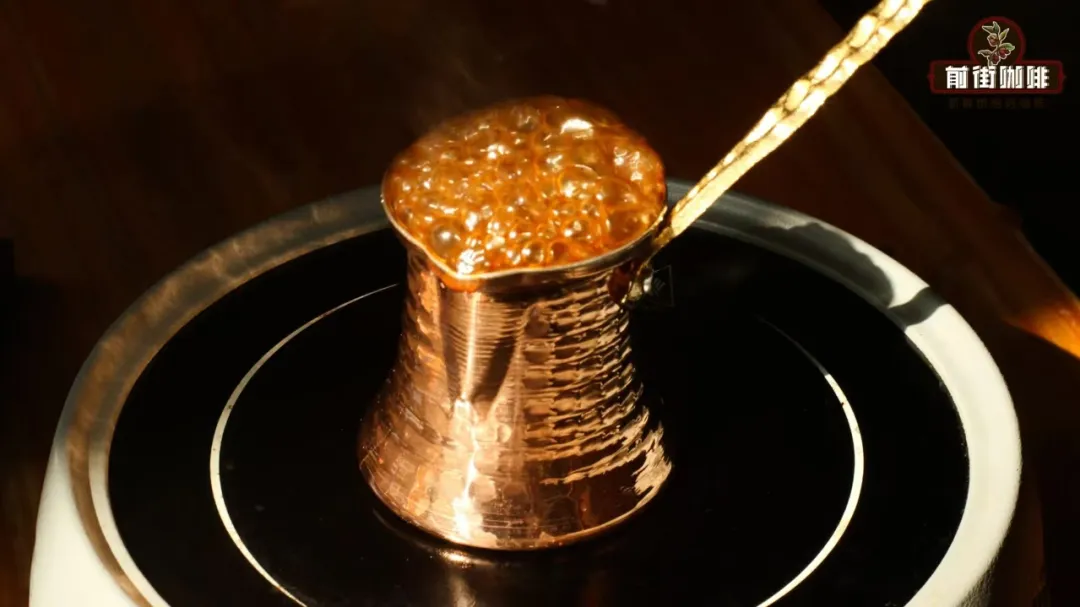
Not all regions grind their coffee as finely as Turkish coffee. Therefore, in most places, after brewing, a filter is needed to separate the coffee grounds from the liquid to achieve a smooth cup. Without proper filtration, overly coarse or excessive grounds can noticeably affect the overall taste. Before exploring the origins of modern paper filters, people commonly used special cloth sacks—today known as flannel filters—to separate coffee from its sediment.
The term "flannel" is a transliteration from English, and its history as a coffee filtering fabric dates back to 17th-18th century Europe. Early flannels were mostly made of wool, but as cotton technology matured, they gradually evolved into the cotton flannel filters commonly seen today. Initially, this fabric was primarily used to filter out residues from brewed coffee, rather than as an official brewing tool. It wasn’t until it was introduced to Japan that local baristas began using it as a drip filter cloth and gradually developed specialized brewing methods.
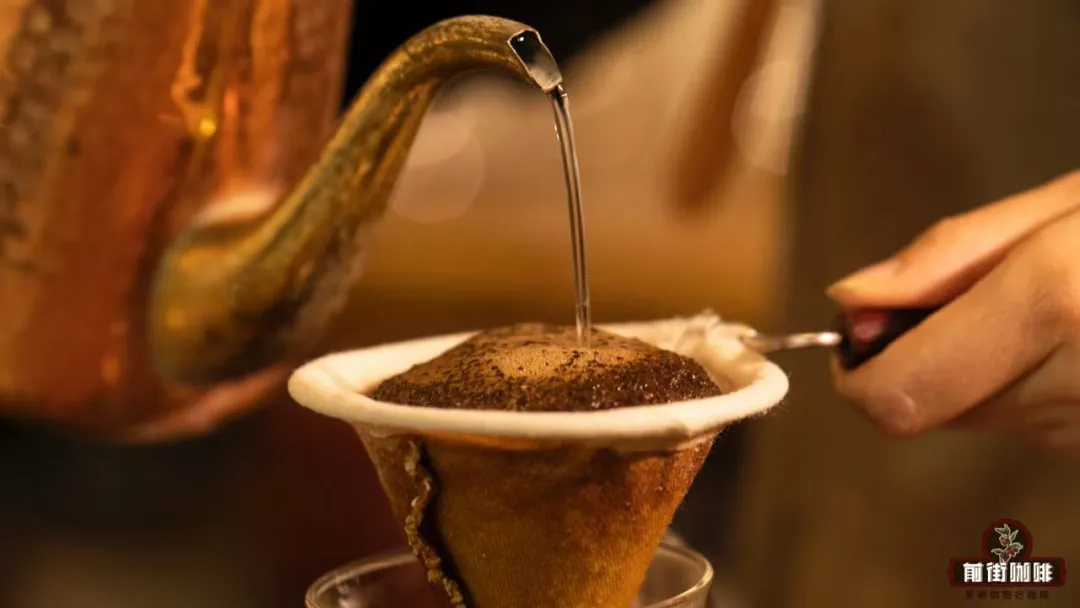
Coffee brewed with a flannel filter possesses a unique flavor profile. Because the pores of the cotton material are significantly larger than those of standard paper filters, more coffee oils and fine particles can pass through, further enriching the aroma and mouthfeel of the coffee. Paper filters typically effectively remove most oils and fine particles, making the coffee appear clearer but also sacrificing some aroma and complexity. In contrast, flannel filters preserve these details, resulting in a rounder, fuller coffee flavor, especially highlighting the caramel, chocolate, and nutty notes of dark roasted coffee.
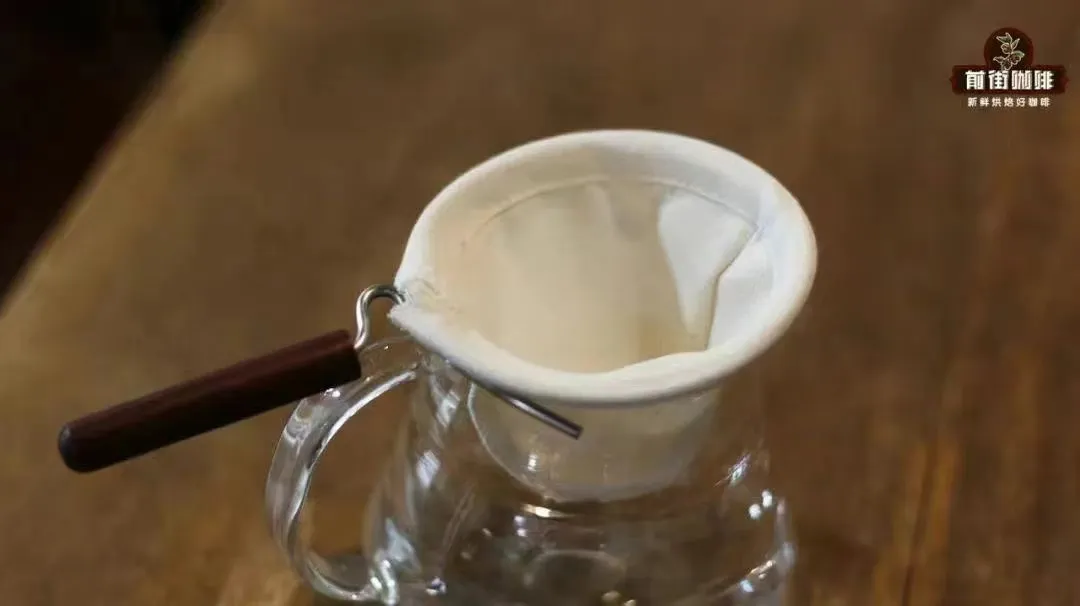
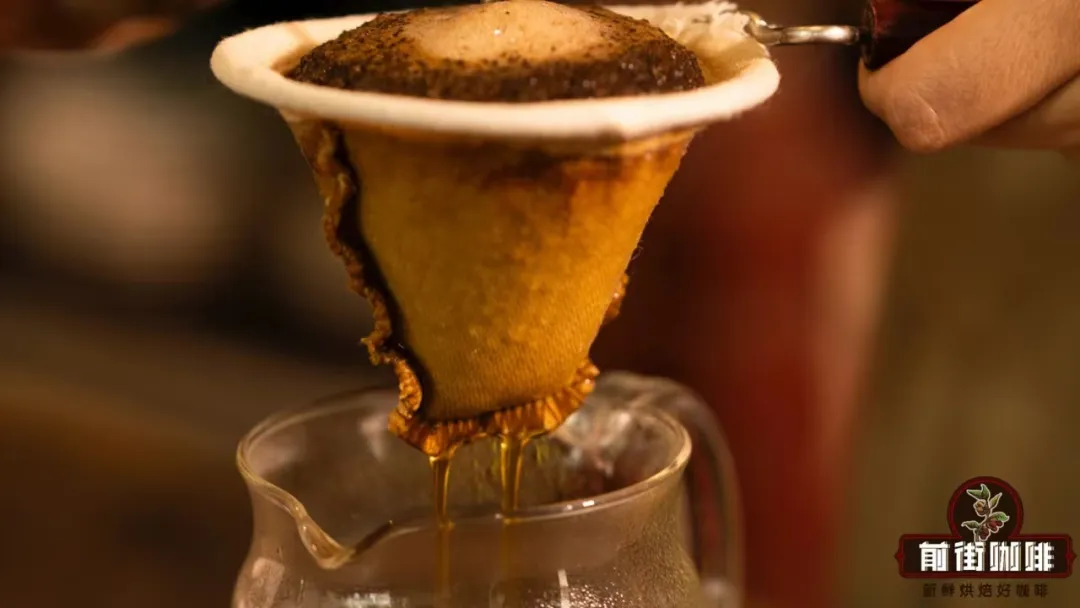
When using a flannel filter, note that it has two distinct surfaces: a felt side and a cotton side. During actual brewing, you can freely choose which side faces inward or outward, but because the interaction with the coffee grounds differs between the two sides, the final flavor will vary slightly. It is generally recommended to use the "cotton in, felt out" method—that is, the cotton side facing inward to contact the coffee grounds and the felt side facing outward. This not only helps distribute the coffee grounds evenly but also makes the filter easier to clean after brewing, preventing coffee residue from sticking and becoming difficult to wash off.
In terms of daily use and maintenance, the cleaning and care of flannel filters are crucial. After each use, rinse it immediately with water to remove any residual coffee oil and grounds, preventing long-term buildup that could cause odors or mold. It’s recommended to gently hand wash with warm water and a mild detergent, and never use bleach or strong cleaning agents, as they can damage the fabric fibers and original texture. After washing, thoroughly wring out the filter and let it air dry in a cool, ventilated place. Avoid direct sunlight, which can cause the fabric to harden or fade.
When storing flannel filters, ensure they are completely dry and place them in a dedicated保鲜盒 (preservation box) or sealed bag to prevent moisture and odor absorption. If not used for an extended period, it’s advisable to periodically take them out for inspection and airing to extend their lifespan. Additionally, flannel filters are consumable items. With increased use, their filtration efficiency may gradually decline. It’s recommended to replace them approximately every 1 to 2 months based on actual conditions to ensure brewing quality.
As for coffee beans suitable for brewing with a flannel filter, dark roast beans are undoubtedly the best choice to bring out their characteristics. The rich oils and intense roasted aromas produced during the dark roasting process are fully released through the flannel filter, delivering a silky smooth mouthfeel and a full-bodied flavor profile. In addition, some medium roast beans with distinct fruity or chocolatey notes can also present more three-dimensional aromatic expressions when brewed with a flannel filter. However, light roast beans, which inherently have less oil, may not fully showcase their bright acidity and floral-fruity notes when using a flannel filter. It’s recommended to choose based on personal taste preferences.
The above content is compiled by CoffeeHunters, a coffee news website.


