







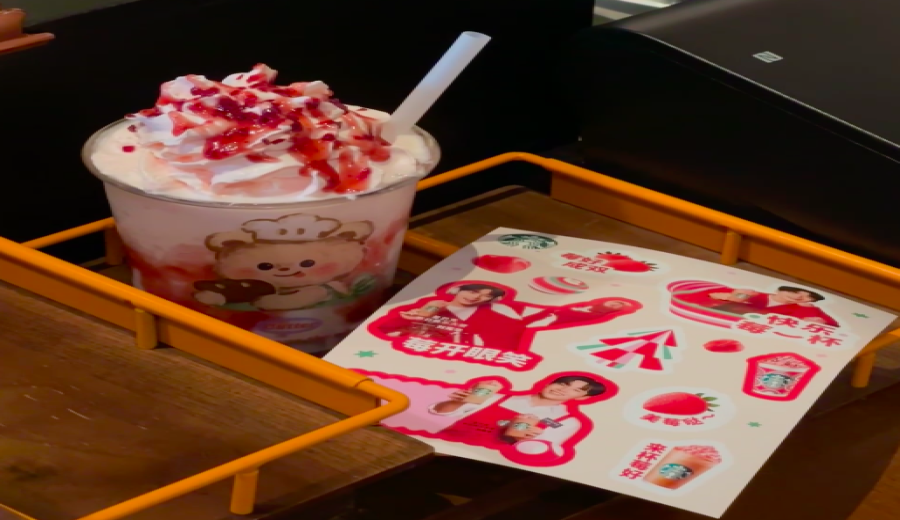
Introduction:With the arrival of the winter strawberry season, Starbucks has launched four new products in its Red Strawberry series, featuring pastel color schemes and festive stickers to attract attention. However, after testing by consumers, the sweetness and artificial flavoring have sparked polarized reviews, with even sharp-eyed regulars noticing strong similarities to previous versions. This article provides an in-depth analysis of the features of the four drinks, their actual flavor profiles, and reveals details about recipe adjustments and purchasing considerations.
As the winter strawberry harvest season arrives, Starbucks has capitalized on the seasonality by introducing the Red Strawberry series beverages, including four winter-exclusive items: Cheese Latte, Cheese Tea Latte, Mocha, and Cheese Frappuccino. These new products are adorned with pink whipped cream topped with red sprinkles, emphasizing a festive atmosphere. Purchasing any of these varieties also comes with a limited-edition sticker featuring Henry Lau.
According to official information, the design of this beverage series caters to a variety of taste preferences—whether customers prefer the richness of coffee or the refreshing quality of tea drinks, there’s an option for everyone. After launch, stores saw a surge of customers eager to try the new offerings, but actual reviews have shown clear divergence, making it a hot topic in the winter beverage market.
Early tasters paid particular attention to the visual presentation of the drinks, and the combination of pink whipped cream and red sprinkles is indeed visually appealing, perfect for photos and sharing. However, in terms of actual drinking experience, many customers reported that if they didn’t actively request an adjustment to the syrup ratio, the standard recipe resulted in overly sweet drinks, which could be overwhelming for those unaccustomed to intense sweetness.
In terms of flavor, some consumers mentioned that the strawberry aroma in the drinks reminded them of traditional strawberry milk or candy.The intensity of the strawberry syrup may mask the original flavor of the coffee.Particularly for customers seeking layered and nuanced flavors, this pronounced sweetness could affect the overall drinking experience.
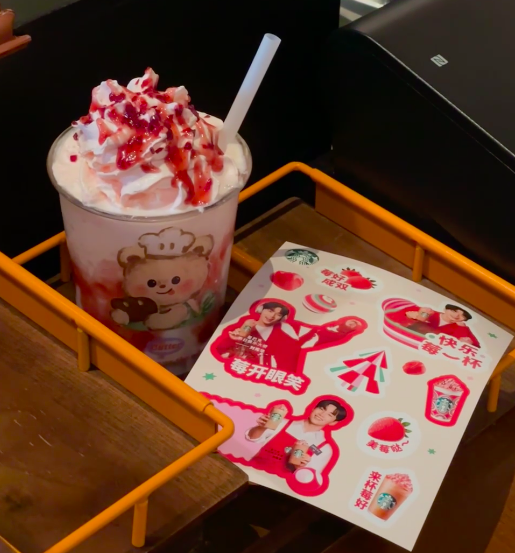
Notably, market observers have pointed out that the newly launched Red Strawberry Cheese Frappuccino shares recipe similarities with the Strawberry Coconut Frappuccino, which was discontinued in May of this year. Although the appearance and some ingredients have been adjusted, the core structure remains similar, leading some regular customers to believe this is more of a seasonal rebranding than a completely new development.
Compared to last year’s Fujisaki series released around the same time, the level of innovation in this year’s Red Strawberry series has been called into question.Aside from changing the holiday ambassador and adding limited-edition stickers, the overall product strategy is relatively conservative.It lacks any truly memorable breakthrough elements, which may impact consumers’ long-term brand recall and connection.
For customers planning to try these drinks, the following tips are recommended: when visiting the store, you can proactively ask to adjust the number of syrup pumps to control the sweetness, or opt for the iced version for a more refreshing taste. If you prefer drinks where the coffee flavor stands out more prominently, the Cheese Latte types may be more suitable than the heavily sweetened Frappuccinos.
Overall, the Red Strawberry series demonstrates Starbucks' ongoing efforts in seasonal marketing, but there is still room for improvement in terms of product differentiation and flavor balance. For consumers who follow coffee market trends, this case offers an interesting perspective on the brand’s strategy for developing seasonal products.
The above content is compiled by CoffeeHunters, a coffee news website.


