







Introduction:Recently, the global coffee supply has faced severe challenges, with major producing regions hit by consecutive extreme weather events, leading to widespread declines in coffee production. Droughts in Brazil and frequent hurricanes in Central America have raised concerns in the international market about future supply. This article will provide an in-depth analysis of the latest developments in the world’s major coffee-producing regions, helping you understand the reasons behind persistently high coffee futures prices and exploring potential future trends.
According to a report published by the international investment bank Hedgepoint, the global coffee supply is under unprecedented pressure, keeping futures prices at high levels for an extended period, with limited room for downward adjustment in the short term. The main reason is that multiple key producing regions, especially Brazil and Central America, have been hit by extreme climate events this year, severely affecting coffee growth and harvest.
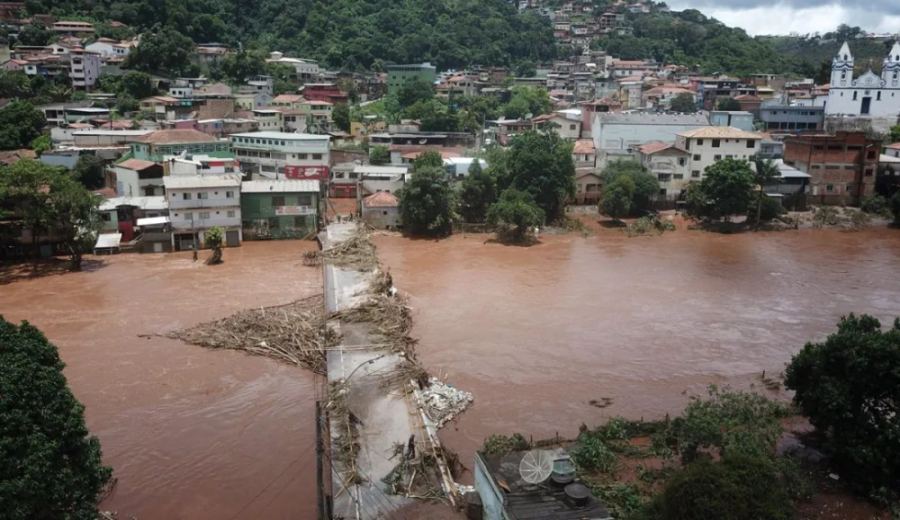
As the world’s largest coffee producer, Brazil is also facing significant challenges this year. Weather conditions featuring drought, high temperatures, and highly unstable rainfall have dealt a considerable blow to local Arabica coffee trees. In particular, Minas Gerais, the main Arabica-producing region, has experienced highly unstable weather recently. Reports indicate that rainfall in the area last week was only 6 millimeters, less than 10% of the historical average, yet some parts of the region were suddenly hit by heavy rain this week, even triggering localized flooding and causing casualties. These extreme weather conditions not only impact the current season’s output but also raise market concerns about the supply outlook for the 2024/25 and 2025/26 seasons.
Hedgepoint’s report points out that the market had already been concerned that Brazil’s drought would cause long-term damage to coffee trees, and the current situation seems to confirm these concerns. It is estimated that Brazil’s Arabica coffee production will decline by about 1.4%, with total output potentially dropping to 42.6 million bags (60 kilograms per bag). Although Espírito Santo, the main Robusta-producing state, is expected to see a 12.2% increase in Robusta production to 22.6 million bags due to relatively stable weather, overall, Brazil’s coffee supply outlook remains conservative, and estimates may be further revised downward as coffee cherries gradually develop.
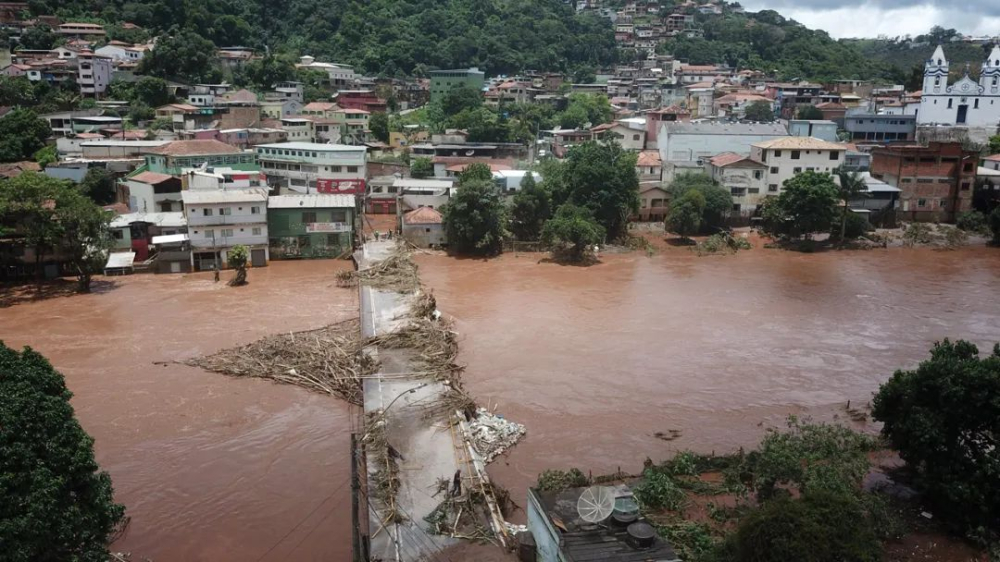
In addition to Brazil, multiple countries in Central America are also facing unprecedented challenges. Frequent hurricanes and storms this year have significantly increased supply risks in this traditional coffee-producing region. For example, in mid-November, Costa Rica declared a state of emergency due to hurricane impacts, with heavy rainfall across many parts of the country leading to floods, landslides, and mudslides. This resulted in at least two deaths, three people missing, over 1,300 people evacuated, and the closure of several major roads. The Costa Rican Coffee Institute (ICAFE) stated that about 15% of the country’s coffee crops have suffered varying degrees of damage.
Honduras, the largest coffee-producing country in Central America, is also in a serious situation. Following the storm “Sara,” severe flooding occurred in many areas, resulting in at least one death and affecting approximately 56,000 people, prompting the country to declare a state of emergency. The storm not only destroyed a large amount of infrastructure and agricultural equipment but also had long-term effects on the coffee production environment. Statistics show that coffee crop losses in Honduras’ Lempira Department reached as high as 400,000 dan (approximately 20,000 metric tons), with economic losses estimated to exceed $112 million. Additionally, coffee transportation from the western producing regions has been hindered due to severe damage to roads and bridges, meaning actual losses may be much higher than the official figures indicate.
Despite the news of reduced output from multiple major producing regions globally, there is still some positive news. According to estimates by the U.S. Department of Agriculture’s Foreign Agricultural Service (FAS), Colombia’s coffee production is expected to see a slight increase in the 2024/25 season. Thanks to more favorable weather conditions and the active adoption of more advanced agronomic techniques by coffee farmers to address climate change, Colombia’s new season coffee production is projected to reach 12.9 million bags, a 1.1% increase compared to last year, with exports also expected to rise to 12 million bags.
However, although Colombia’s production increase is encouraging, its impact on the overall market supply and demand remains limited and cannot fully fill the production gaps in Brazil and various Central American countries. More notably, the La Niña phenomenon may re-emerge by the end of the year, which will further increase climate uncertainty in the world’s major coffee-producing regions. It is expected that international coffee prices will remain high in the short term and are unlikely to see a significant decline.
The above content is compiled by CoffeeHunters, a coffee news website.


