








Introduction:In the world of specialty coffee, the selection and blending of milk directly influence the flavor profile of milk-based coffee beverages. This article delves into the professional milk blending techniques commonly used by baristas — from the concentration adjustment principles of frozen concentrated milk, to the scientific ratio between fresh milk and concentrated milk, to plant-based milk compatibility solutions. With detailed operational insights and practical parameters, it helps coffee enthusiasts precisely control the taste of their milk coffee at home, achieving a professionally balanced flavor.
In the composition of coffee beverages, milk is far from just a supporting role. Through professional blending techniques, the overall flavor of milk coffee can achieve a synergistic effect, delivering a layered experience that single ingredients alone cannot provide. Whether adjusting overall strength, enhancing sweetness, or optimizing mouthfeel smoothness, proper milk blending expands the creative possibilities in coffee preparation. This article will systematically outline common milk blending strategies in the coffee industry, covering the production principles of concentrated milk, the golden ratio between fresh and concentrated milk, as well as the foundational use of plant-based milk, and offers practical DIY suggestions to help you easily master professional-level milk coffee blending techniques.
The core logic of milk blending is not simply mixing, but achieving a final flavor profile that surpasses the sum of its individual components through scientific proportioning. For example, a professionally blended milk combination may present a more desirable concentration curve or highlight a more pronounced natural sweetness. The specific choice of milk source and ratio combination entirely depends on the blending goal — whether aiming to enhance richness or emphasize a refreshing quality? These all require precise control based on the characteristics of the beverage.

Concentrated milk, as a popular ingredient in recent years within the coffee scene, owes its rise to the popularity of Dirty coffee. This specially processed dairy product boasts a concentration level far exceeding that of regular fresh milk, not only delivering a fuller mouthfeel but also imparting a unique depth of flavor. When used in layered coffee preparations, high-concentration concentrated milk can create a more striking visual contrast while intensifying the sensory impact during consumption.
The most common method for making concentrated milk is the frozen concentration method: seal whole milk and place it in the freezer compartment of a household refrigerator to completely freeze. After overnight freezing, take it out and let it thaw naturally. Since key components such as lactose, milk fat, and proteins thaw more slowly than water, during the melting process, collect the clear liquid from the top (typically the portion that flows out during the early to mid-thaw stages) to obtain naturally concentrated milk. This method requires no complex equipment, but strict control over the collection timing is essential — it’s recommended to separate the milk just before it is fully thawed, when ice crystals are still present at the bottom of the container.
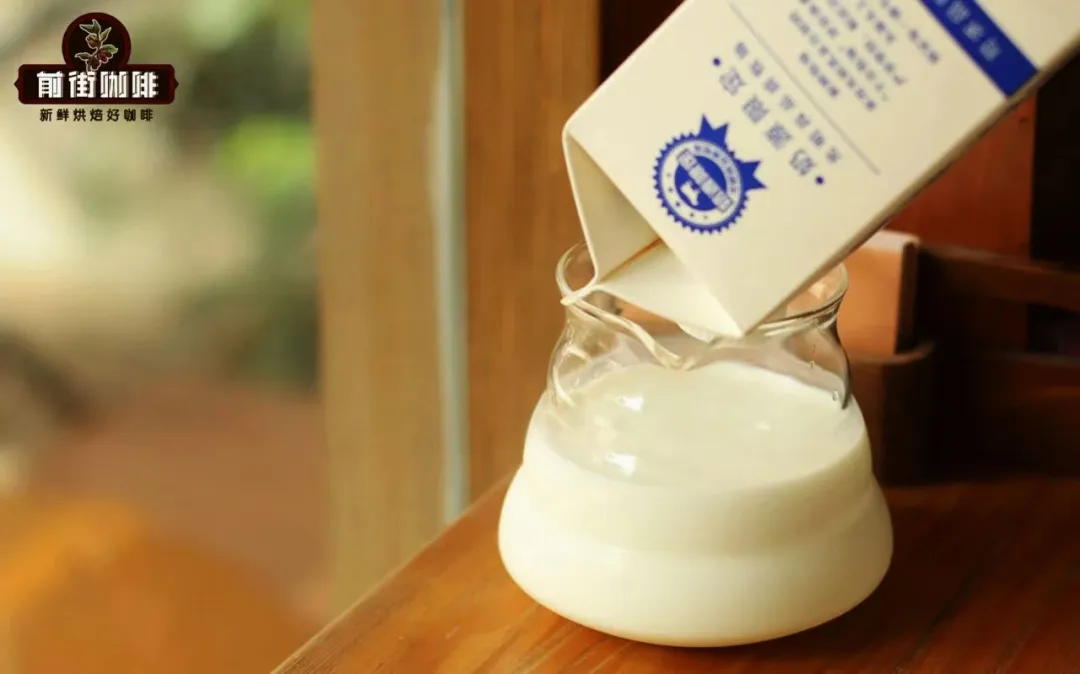
It’s worth noting that during the early period of Dirty coffee’s popularity, commercially available concentrated milk products often had excessively high concentrations (with some products having total solids content exceeding 30%). Direct use could easily result in beverages that were overly sweet or heavy in mouthfeel, even masking the inherent flavor characteristics of the coffee itself. To address this issue, professional baristas developed scientifically balanced ratios between concentrated milk and fresh milk — the most common being:A 1:1 mixing ratiowhich maintains a relatively high milk concentration without overly compromising the expression of the coffee’s flavor. Practical tests show that this ratio can increase the sweetness of milk coffee by approximately 15%, while also improving the balance between smooth mouthfeel and rich body.
The blending application of plant-based milk is another important topic. It’s important to clarify that plant-based milk is not a traditional dairy product, but rather a plant-based beverage made from legumes, grains, or nuts (such as soybeans, oats, almonds, etc.) through soaking, grinding, and mixing with water. Although its appearance resembles cow’s milk, its compositional structure is fundamentally different, so its performance in coffee requires special adjustments.

When selecting plant-based milk, key focus should be placed on protein content and fat ratio — these two parameters directly affect how well it blends with coffee. It is generally recommended to choose:Plant milk with a protein content of ≥3%and that includes an appropriate amount of calcium and vitamin D. Such products perform more similarly to cow’s milk in terms of frothing and stability. When pairing with espresso, it is suggested to first conduct small-scale tests (e.g., using plant milk at 30% of the total volume), observing foam formation and flavor integration before gradually adjusting to the desired ratio.

For advanced blending techniques, one may try combining different base types of plant milk. For example, mixing oat milk and coconut milk in a 2:1 ratio can maintain a smooth texture while adding natural sweetness; a blend of almond milk and oat milk is suitable for consumers seeking a lighter texture with nutty flavors. Regardless of the chosen approach, it is advised to prepare and use the blend fresh and shake it well to avoid separation of components that could affect the final product quality.

For home users, establishing a systematic blending log is key to improving success rates. It is recommended to record the type of milk used, the ratio parameters, the coffee bean variety, the brewing method, as well as key flavor evaluation notes (such as sweetness intensity, body, aftertaste, etc.). By continuously accumulating data, you will gradually identify your personal optimal blending ratios, ultimately achieving a milk coffee preparation level comparable to that of professional cafés.

The above content is compiled by CoffeeHunters, a coffee news website.


