








Introduction:Many coffee enthusiasts wonder: can cold brew achieve better extraction efficiency through blooming, just like hot brewing? In this experiment, we used Sidamo Huakui 8.0 as the base coffee, conducting a comparative test between regular cold brew and a control group that involved pre-blooming followed by low-temperature immersion. We explored the actual impact of the blooming process on flavor and concentration, and analyzed the underlying scientific principles to help readers master more flexible cold brew techniques.
Cold brew coffee is typically extracted through long-duration, low-temperature immersion, with the entire process conducted without heat. Its flavor profile tends to be clean and refreshing, with fewer impurities. However, some drinkers have raised the question: if we bloom the coffee grounds with hot water before the main immersion, could it promote greater flavor release and further enhance the performance of cold brew? To verify this idea, we conducted a cold brew comparison experiment using Sidamo Huakui 8.0, testing both with and without the blooming step.
In the experiment, all extraction parameters were kept the same except for whether blooming was performed and the water temperature used. These included 25 grams of coffee grounds, Ek43 grinder set at level 10 (approximately 80% extraction rate through an 80-mesh sieve), a 1:12 coffee-to-water ratio, and an 8-hour refrigerated immersion period. This setup simulates common conditions for making cold brew at home or in shops, making it easy for readers to reference and apply.
For the regular cold brew group, we simply mixed the coffee grounds with room-temperature water, stirred gently to even distribution, sealed the container, and then placed it in the refrigerator—the process straightforward and simple. The experimental group, however, included an additional “blooming” step before immersion: 40 milliliters of water at approximately 92°C was poured over the grounds to evenly wet them, left to sit for 30 seconds, after which the remaining 260 milliliters of room-temperature water were added, stirred, and the mixture was sealed and refrigerated as before.

After 8 hours, both sets of coffee were filtered and subjected to blind taste evaluations. The results showed that both shared similar flavor profiles: both exhibited notes of strawberry and citrus fruits, with a sweet aftertaste of honey and honeydew, overall presenting a clean and layered taste. However, the experimental group—i.e., the cold brew that underwent the blooming step—had a noticeably higher overall intensity, with a fuller mouthfeel and more concentrated flavors.
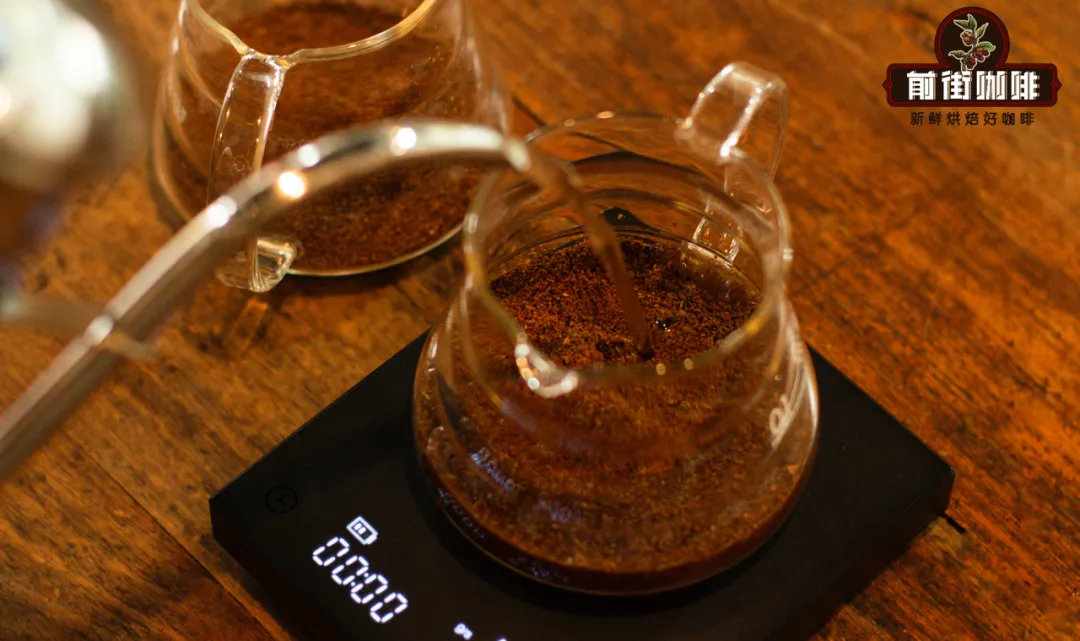
Why does simply adding a blooming step lead to differences in concentration? The key lies not in the blooming action itself, but in the introduction of hot water needed to perform the bloom and the resulting changes in overall parameters. Many assume that blooming can directly improve the extraction efficiency of cold brew, but in a low-temperature environment, blooming has limited effectiveness in releasing carbon dioxide, and cold brew doesn’t require stabilizing flow rate or avoiding clumping like hot brewing does.
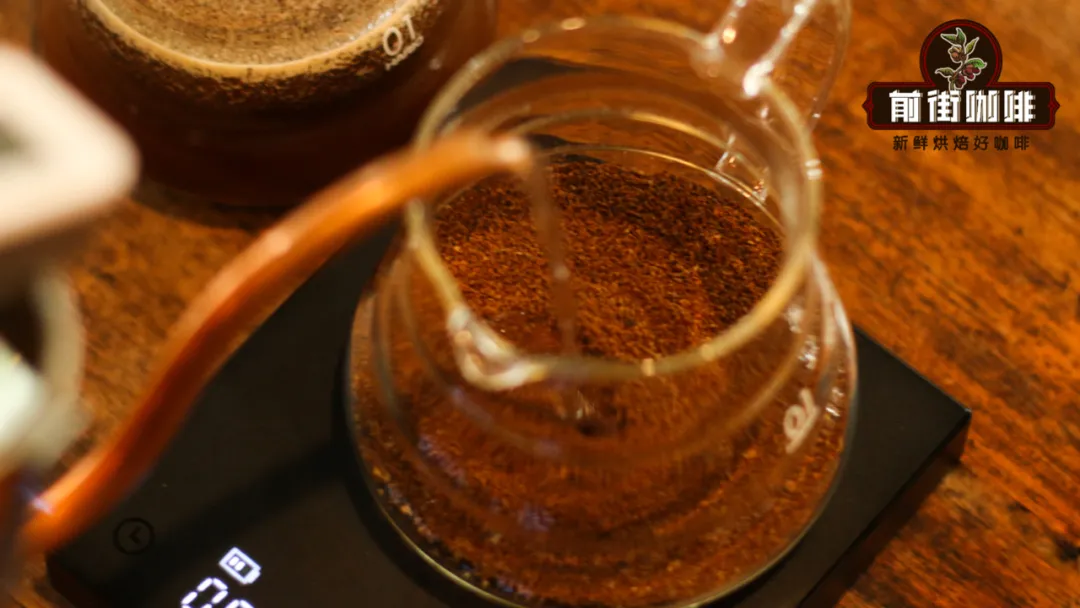
Reviewing the principle of blooming in pour over coffee, its primary purpose is to use hot water to prompt the release of carbon dioxide from the coffee grounds before the main pour, preventing gas from hindering water penetration and thus helping the hot water extract flavor compounds more evenly. But in a cold brew environment, due to the consistently low temperature, the release of carbon dioxide is inherently slower, and the long immersion time means the impact of gases is relatively minor. Therefore, the direct effect of blooming in cold brew is actually quite limited.
What truly led to the increased concentration in the experimental group was the additional 40 milliliters of 92°C hot water used in the blooming step. This portion of hot water not only initially wet the coffee grounds, but also, due to the high temperature, temporarily promoted the dissolution of some soluble compounds. With the total coffee-to-water ratio and final immersion time remaining unchanged, the overall extraction liquid became more concentrated. In other words, it was the change in “hot water pre-soaking” and “overall water distribution,” rather than blooming itself, that brought about this difference.
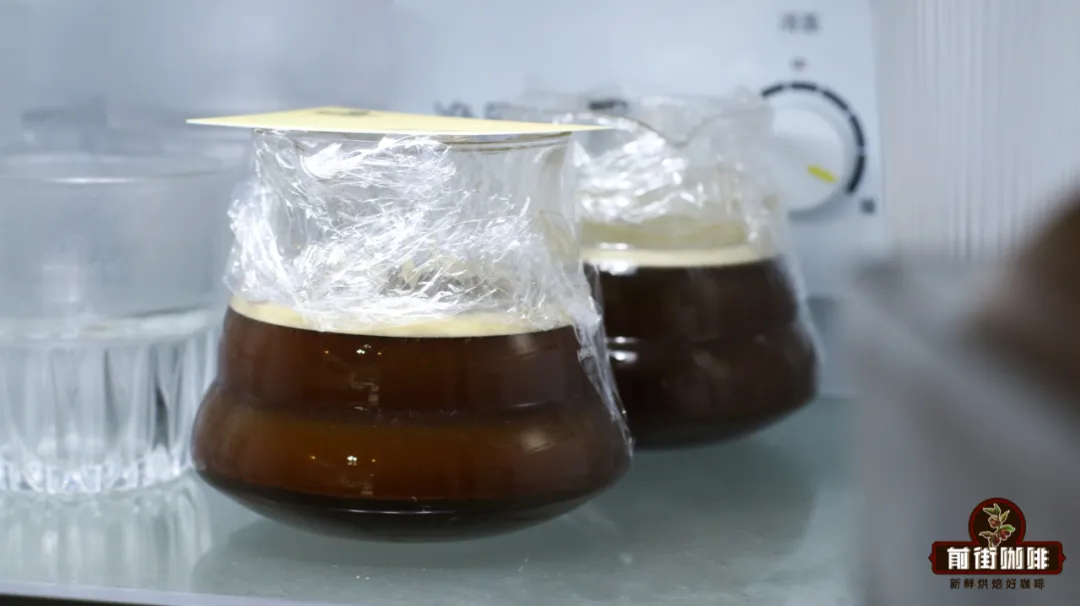
Based on the experimental results, if you’d like to try adding blooming to your cold brew, here are a few suggestions to consider: first, the temperature of the hot water used for blooming should not be too high, ideally around 90–92°C to avoid over-extraction; second, limit the blooming time to within 30 seconds, as longer durations offer little benefit for low-temperature extraction; third, make sure to compensate with the proper total coffee-to-water ratio to maintain balanced final flavors. Additionally, while the blooming step may enhance intensity, it’s not a necessary process. For those seeking a fresh and delicate flavor, regular room-temperature cold brew remains a simple and effective choice.
Whether or not you use blooming, the core advantage of cold brew remains its low acidity and low interference extraction characteristics, making it suitable for coffee lovers who prefer a mellow taste or have sensitive stomachs. The value of this experiment is to provide a reference, allowing you to flexibly adjust the brewing process according to your personal taste and needs, and find the cold brew flavor that suits you best.
The above content is compiled by CoffeeHunters, a coffee news website.


