







Introduction:The extraction quality of espresso often hinges on many details, one of which—the choice of portafilter basket—is frequently overlooked yet critically important. This article delves into the differences between the two mainstream basket sizes, 51mm and 58mm, analyzing how they impact puck surface area, thickness, resistance, and extraction performance. It also provides practical dosing recommendations and tips on accessory compatibility to help coffee enthusiasts and professionals make more precise extraction judgments.
In the process of making espresso, the portafilter basket may seem insignificant, but it is actually one of the key accessories that influence extraction results. Many people encountering issues such as uneven extraction or poor flavor often hear the advice, "maybe you’re using the wrong basket," and this is not without basis. The diameter and design of the basket directly affect puck formation, water distribution, and ultimately the coffee’s performance.
First, let’s take a look at the difference in basket diameter. The two most common basket diameters on the market today are51mmand58mm—these two numbers represent the diameter dimensions of the basket and the portafilter. When purchasing an espresso machine or related accessories, this parameter absolutely cannot be ignored, because baskets and machines with different diameters are specifically matched and are not interchangeable.
For example, if your espresso machine comes with a 58mm basket from the factory, you must pair it with a 58mm tamper, distribution tool, and shower screen; otherwise, it won’t function properly due to size mismatch. It’s worth noting that while 51mm and 58mm are the most widely used specifications, other sizes do exist on the market. Smaller-diameter baskets are typically found in home-use machines or older models, while larger diameters are more common in commercial or mid-to-high-end equipment.
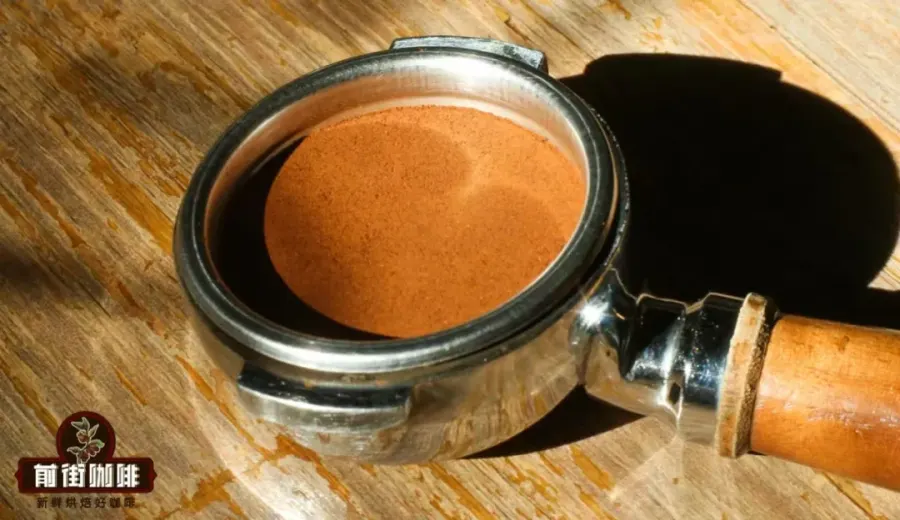
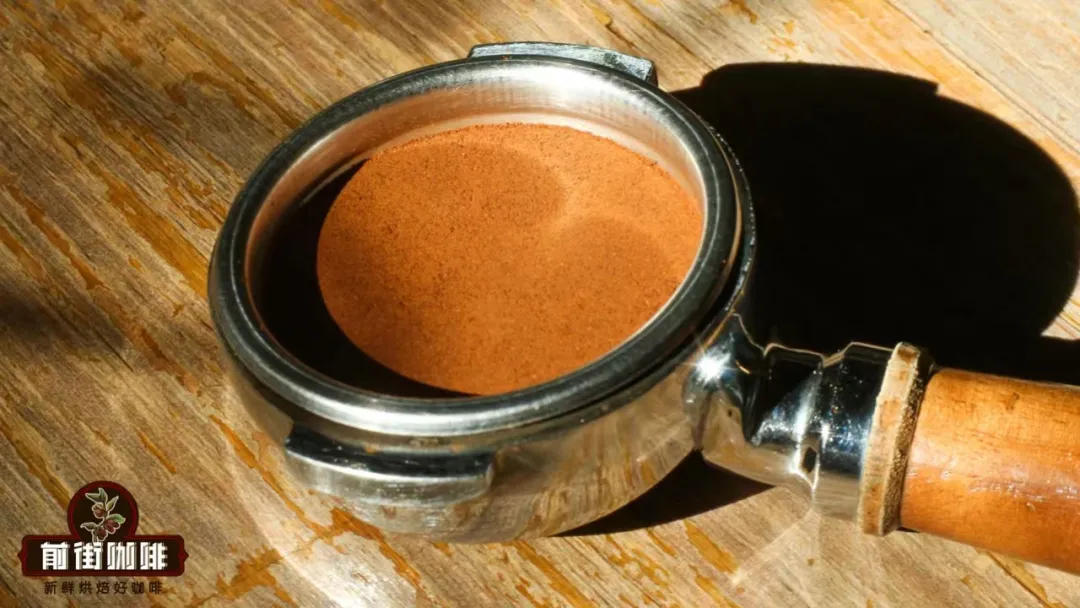
The difference in basket diameter leads to two main effects: first is the puck surface area—larger diameters mean greater contact area between the puck and hot water; second is puck thickness—with the same dose, coffee grounds in a larger basket will form a thinner layer, whereas in a smaller basket the layer is relatively thicker. These factors further influence the speed of water flow through the puck, pressure distribution, and overall extraction uniformity.
Next, we’ll explore the capacity of the basket and the limitations on dosing. Each basket has a designed range for the amount of coffee it can hold, and this isn’t arbitrary—it depends on the basket’s structure and the distance to the shower screen. The tamped puck must maintain an appropriate gap from the shower screen; too close may cause channeling, while too far may affect extraction pressure and flow rate.
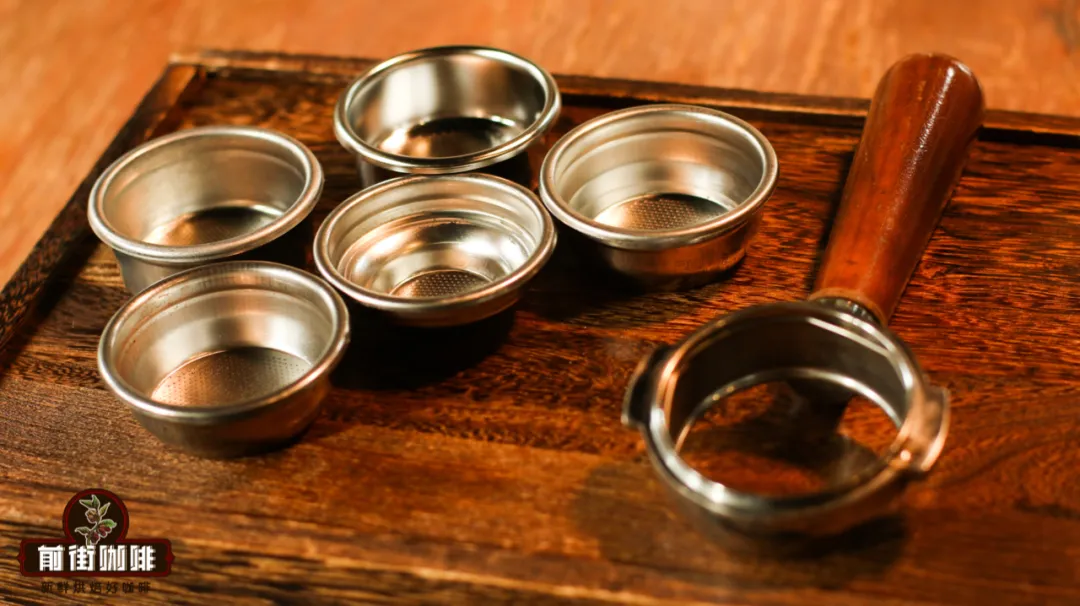
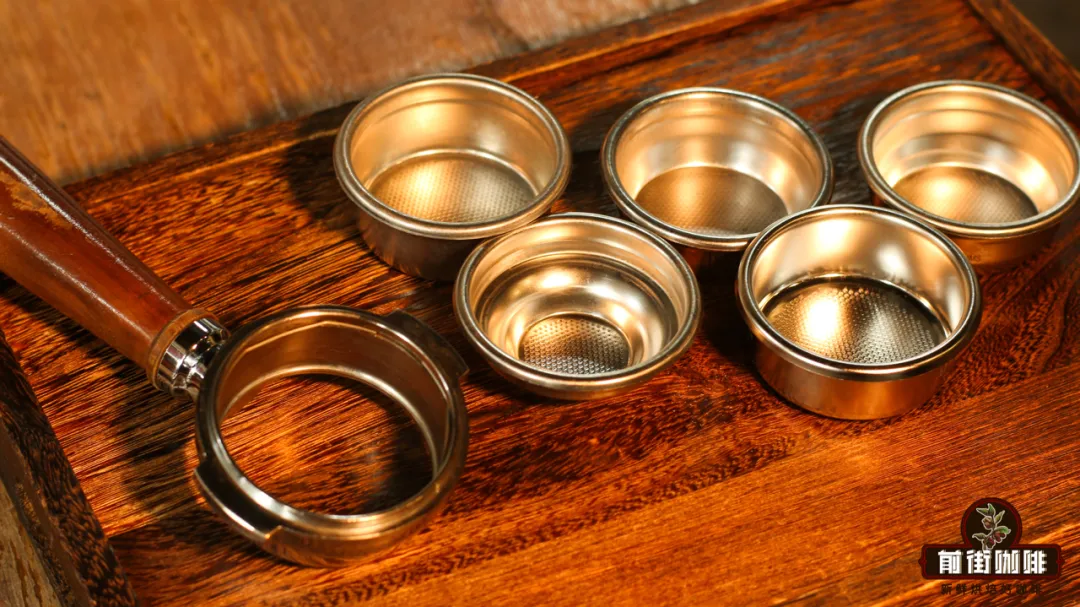
Generally speaking,58mm basketsdue to their larger diameter, can accommodate more coffee grounds than 51mm baskets, which also gives them a wider margin for adjustment during extraction. They are better suited for users seeking delicate flavors or high-concentration extractions. On the other hand,51mm basketshave a smaller capacity and are more suitable for home use or small-batch extractions, but they also demand higher precision in dosing evenness and technique.
Additionally, basket design affects tamping resistance and puck stability. Some high-end baskets optimize their internal curves for specific diameters, helping to form a more uniform and compact puck after tamping, thereby improving extraction stability and flavor consistency. Therefore, when choosing a basket, in addition to diameter, attention should also be paid to its material, internal design, and brand reputation.
In summary, whether you’re a beginner coffee enthusiast or a professional barista, understanding the differences between 51mm and 58mm baskets—and how they affect espresso extraction—is a crucial step toward improving coffee quality. From selecting the right basket diameter, to managing puck surface area and thickness, to controlling dose and accessory compatibility, every detail can influence the final outcome of that cup of espresso in your hands.
The above content is compiled by CoffeeHunters, a coffee news website.


