







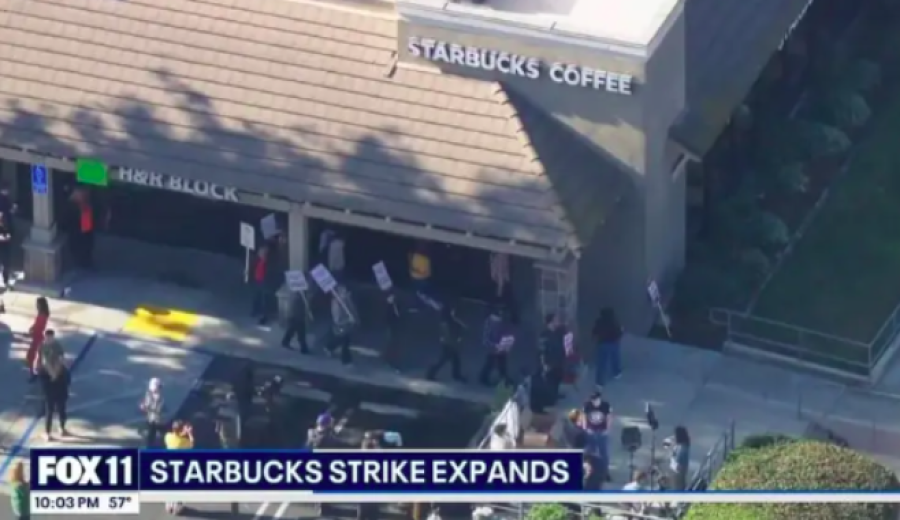
Introduction:On the eve of the Christmas shopping season, Starbucks faced a massive strike wave in the United States, with over 290 stores temporarily closed and its 98% operational rate called into question. This article delves into the reasons behind the spread of the strikes, the core issues in dispute between labor and management, and the potential impact of this struggle on year-end performance and the global coffee industry.
As the peak Christmas season approaches, Starbucks is embroiled in serious labor conflicts in the United States. Since December 20th, union-led strikes that initially broke out in Seattle, Chicago, and Los Angeles quickly spread to major cities such as Denver, Pittsburgh, New York, and Philadelphia within just five days.The union reported that more than 290 stores were completely shut down.However, Starbucks official response stated that only about 170 stores had temporarily suspended operations, emphasizing that 98% of its stores across the U.S. remained open as usual.
This strike was led by the Starbucks Workers Union and involved over 300 stores across 45 states. Although Starbucks operates more than 10,000 company-owned stores in the U.S., the scale of the strikes still significantly impacted its operations.Analysts pointed out that the number of participants on Christmas Eve could set a new historical record for Starbucks.This further intensifies the tension between the two sides.
The union criticized Starbucks for failing to fulfill its promise to establish a collective bargaining framework within the year and ignoring employees' allegations of unfair labor practices. More crucially, Starbucks’ proposed three-year economic plan only promised a 1.5% wage increase, far below the rate of inflation.In response, the union demanded an overall wage increase of 77% over three years and an immediate 64% hourly wage hike.to reflect the rising cost of living.
In response to the union’s demands, Starbucks claimed the proposal was “not sustainable” and emphasized that it has invested over $3 billion in the past three years to improve the partner experience. The company stated that it offers an average hourly wage of over $18 and generous benefits, which are competitive in the industry. However, these assurances have failed to quell dissatisfaction among frontline employees, and some staff at non-unionized stores have begun submitting union membership applications to the National Labor Relations Board.
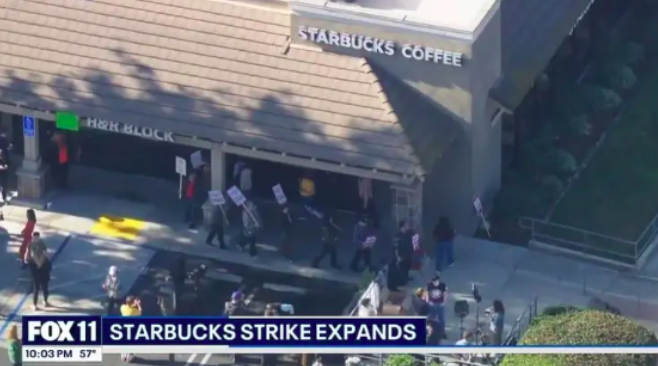
Faced with the expanding strikes, Starbucks cautiously assessed the potential impact and officially stated that the expected disruption would be “very limited.” But market reaction was strong, with the company’s stock price falling more than 5% over five consecutive trading days, reflecting investors' concerns about holiday sales prospects. Experts warn that the strikes could severely affect consumer willingness to purchase popular drinks like lattes, gift cards, and limited-edition merchandise—key revenue sources during the crucial year-end period.
Currently, the labor-management deadlock continues. The union revealed that it is evaluating next steps and plans to have baristas return to work on Wednesday or Thursday while seeking to resume negotiations. This strike not only tests Starbucks’ crisis management capabilities but also provides a significant case study for labor relations management in global chain coffee brands. As the Christmas holiday approaches, whether the two sides can reach a consensus in the short term will directly affect consumer experience and brand reputation.
The above content is compiled by CoffeeHunters, a coffee news website.


