







Introduction:After Indonesia entered the rainy season, consecutive days of heavy rainfall triggered floods and landslides, severely impacting the harvest and transportation in major coffee-growing regions. The 2024/25 Indonesian Robusta coffee production estimate has been revised downward to 10.9 million bags, with exports also decreasing accordingly. Coupled with currency depreciation and rising fertilizer costs, future market supply-demand imbalances may drive prices higher. This article analyzes the disaster situation, regional impacts, and price trends to help you stay on top of the latest developments in the coffee market.
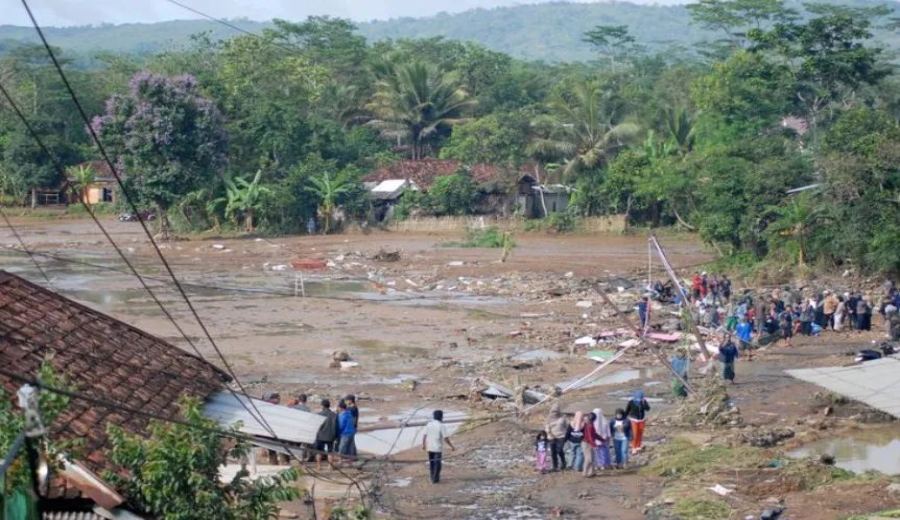
Since the rainy season began, Indonesia has been hit by unusually intense rainfall, leading to widespread natural disasters such as floods, landslides, and fallen trees across the country. These have not only caused casualties but also severely damaged public infrastructure. The current period coincides with the main coffee harvesting season in the country. While many disaster-stricken areas are located in or near major coffee-producing regions, there is no complete tally yet on whether coffee plantations have been affected. However, the situation has already raised significant concerns within the industry regarding potential impacts on both yield and quality.
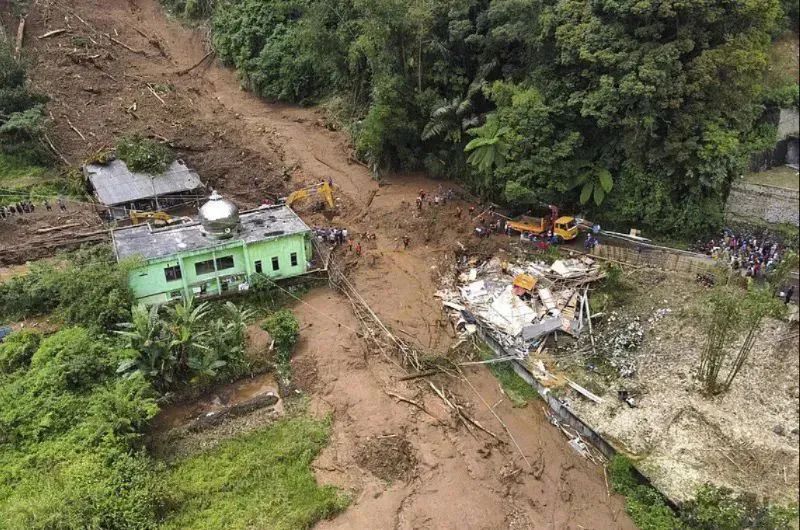
Among them, West Java Province is one of the worst-hit areas, where days of torrential rain triggered severe landslides, resulting in at least 10 deaths, 2 people missing, and nearly 5,000 affected individuals. As early as the end of November, North Sumatra Province also suffered from flash floods and mudslides, claiming the lives of 20 people. Moreover, coastal areas such as Jakarta have experienced extensive flooding due to a combination of seawater intrusion, extreme weather, and land subsidence, with water depths in some regions exceeding 70 centimeters and the situation persisting for over five days.
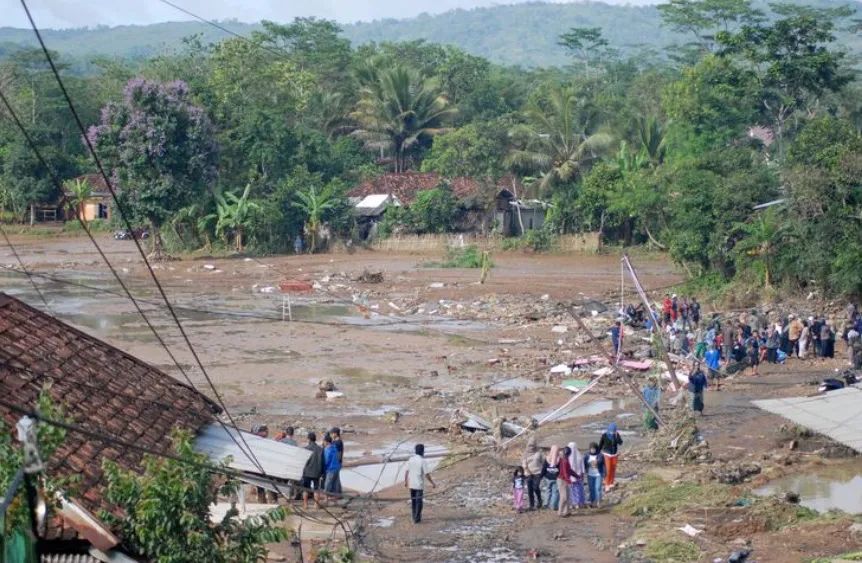
Even earlier, the Lindu region in northern Sumatra was not spared. Heavy rains there caused flash floods and landslides, resulting in 20 deaths, damage to multiple schools, farmland, and key transportation routes, severely disrupting local residents' lives and economic activities. These disaster zones overlap significantly with Indonesia’s main coffee-growing belts, posing potential threats to coffee plantations that are either about to enter or are currently in the harvest period.
Indonesia is currently in a critical phase of coffee picking. The continuous heavy rain not only delays the harvesting progress but may also affect the ripeness and quality of coffee cherries. Since the disaster-stricken areas are mostly adjacent to key production regions, the risk of plantation damage cannot be ignored, although official detailed loss assessments have yet to be released.
Looking back at the 2023/24 season, Indonesian coffee production faced challenges from both La Niña and El Niño phenomena, enduring prolonged droughts, high temperatures, and water shortages, which led to a significant overall decline in output. Fortunately, weather conditions gradually stabilized in the second half of 2024, showing signs of recovery in production. According to official Indonesian data, Robusta coffee exports from Sumatra in October reached 532,287 bags (each weighing 60 kilograms), double the volume compared to the same period last year, indicating good recovery in some producing areas. However, overall production remains below initial expectations, and the market generally forecasts the total 2024/25 production to be around 10.9 million bags, an 8% decrease from previous estimates.
It’s worth noting that while domestic coffee consumption demand is growing only modestly (projected to rise by less than 1% in 2024/25), the amount of coffee beans available for export is expected to decrease by 12%—dropping to around 5.2 million bags—in the absence of significant production expansion, adding pressure to global market supply.
In addition, the Indonesian rupiah has recently been affected by the strong U.S. dollar, briefly falling below the 16,000 rupiah per dollar mark in early December, hitting a four-month low. Although the Bank of Indonesia quickly implemented market intervention measures, the exchange rate remains relatively high. Together with geopolitical uncertainties, this has driven up export costs. Fertilizer prices have also risen simultaneously, further increasing the production burden on coffee growers.
From the international market perspective, as Vietnam enters the peak harvest season for Robusta coffee, increased exports once temporarily suppressed futures prices. However, the market remains cautious about the production outlook for both Vietnam and Brazil. Coupled with the fact that Indonesia’s production has not yet fully recovered, it is expected that future Robusta coffee supply will become even tighter, potentially leading to another price increase.
The above content is compiled by CoffeeHunters, a coffee news website.


