







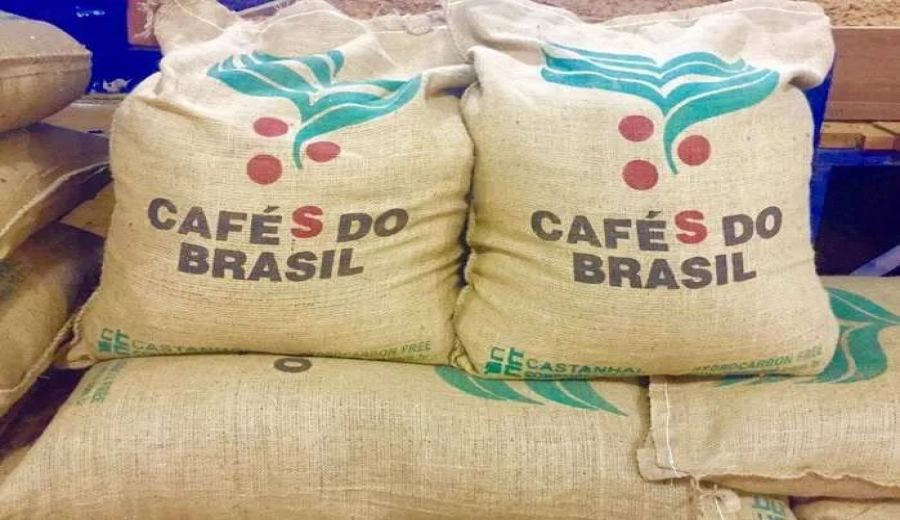
Introduction:As the world’s largest coffee producer, Brazil’s production and sales trends have a profound impact on the global market. The latest data shows that the pre-sale ratio for the 2025/26 coffee crop is only 12%, far below the historical average. Coupled with factors such as drought and exchange rate fluctuations, this has driven spot coffee prices to a 26-year high. This article delves into supply chain concerns, market expectations, and price trends to help readers grasp key insights.
According to statistics from Brazil’s specialized consulting firm Safras, as of December 11, 2024, the sales rate for the 2024/25 Brazilian coffee crop has reached 79%. This is not only higher than the 69% recorded during the same period last year but also surpasses the five-year average of 73%. Among them, 77% of Arabica varieties and as much as 84% of Robusta have been sold, indicating a noticeable acceleration in sales. However, compared to the smooth sales of the current crop, the pre-sale ratio for the new 2025/26 season is only 12%, significantly underperforming previous years.
Safras further explains that due to the persistently high spot prices of Brazilian coffee in recent times, many growers have chosen to sell their inventory at these elevated prices. Some of the traded coffee beans are temporarily stored in warehouses awaiting future delivery. It is worth noting that strong Brazilian coffee bean exports in November have left most farmers with ample capital, making them less eager to clear remaining stock, especially regarding the upcoming new crop, where they remain cautious.
Notably, the pre-sale progress for the 2025/26 crop is significantly lower than in the same period last year. Analysis indicates that this phenomenon is primarily due to the worst drought in 70 years that Brazil experienced between July and September this year, which was compounded by rampant wildfires and highly irregular rainfall. The market generally fears that the next crop’s yield may be affected. Growers are concerned about their ability to fulfill sufficient supply contracts in the future, leading them to reduce pre-sales and causing the market’s supply expectations to turn more conservative.
These supply-side concerns, along with tightness in the spot market, have pushed domestic Brazilian coffee spot prices to their highest level in 26 years. Multiple international institutions have stated that until the actual production data for the 2025/26 crop is released, international coffee prices will remain high, and the risks of market volatility cannot be ignored.
In addition to climatic factors, sharp exchange rate fluctuations have also become a significant variable affecting Brazil’s coffee industry. Recently, influenced by the domestic political and economic situation, global market uncertainties, and volatile commodity prices, the Brazilian real has depreciated sharply against the US dollar, with a cumulative decline exceeding 20%. Although the Brazilian government and central bank have responded proactively, including raising interest rates for the third time this year, the real’s exchange rate has yet to stabilize.
The depreciation of the real presents dual challenges: on one hand, exporters face increased uncertainty in converting their income, affecting financial planning; on the other hand, the weaker currency also drives up domestic production costs, including fertilizers, labor, and transportation expenses, further increasing the operational pressure on coffee farmers. To mitigate exchange rate risks, many exporters have begun using financial instruments such as coffee futures for hedging, which has also supported futures market price trends to some extent.
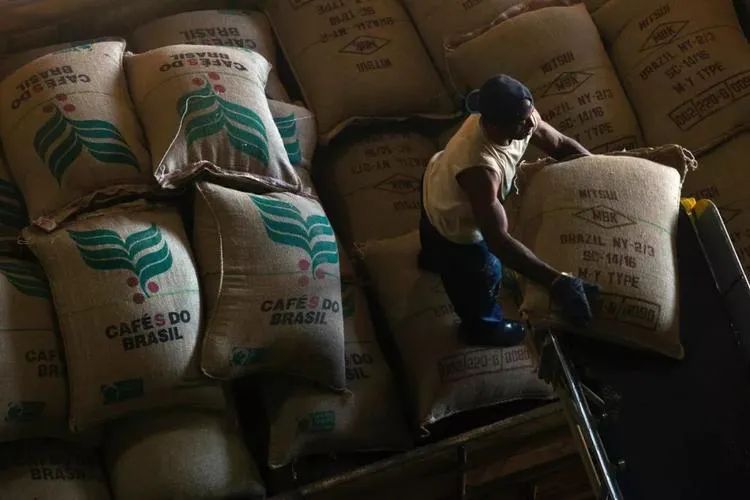
Observing international market analysis, experts generally agree that global coffee supply is facing serious challenges. Taking Brazil and Vietnam as examples, the two countries together account for 56% of global coffee production, yet both have experienced supply shortages in recent years due to factors such as abnormal weather. The head of commodity strategy at Denmark’s Saxo Bank pointed out that as global coffee consumption demand grows rapidly, supply has not expanded in tandem, making the supply-demand imbalance increasingly evident.
The head of agricultural product markets at Rabobank further warned that Brazilian coffee harvests have been reduced for five consecutive years due to adverse weather, and if the supply situation does not improve significantly in the future, and inventories fail to rebound effectively, coffee prices are expected to continue rising. This adjustment process may take several years to gradually stabilize. For consumers and traders, understanding regional dynamics and market trends will be key to coping with future price fluctuations.
The above content is compiled by CoffeeHunters, a coffee news website.


