








Introduction:The Geisha coffee from Panama's Boquete region, thanks to its washed processing method and high-altitude advantages, exhibits unique floral, citrus, and honeyed sweetness. This article starts with the origin of the Geisha variety, analyzes how Panama’s microclimates shaped by its terrain contribute to its flavor profile, and delves into how washed processing enhances cleanliness and aroma. Paired with actual cupping experiences, it helps you grasp the essence of this top-tier coffee.
In 2004, Hacienda La Esmeralda won the Best of Panama (BOP) competition with the Geisha variety, stunning the world with its delicate floral notes and peach-like sweetness while setting a new record for coffee auction prices. Since then, this variety originating from Ethiopia has gradually risen to the ranks of the world’s finest coffees, especially the washed Geisha from Panama’s Boquete region, which is renowned for its distinctive white floral notes, citrus tones, and honeyed sweetness.
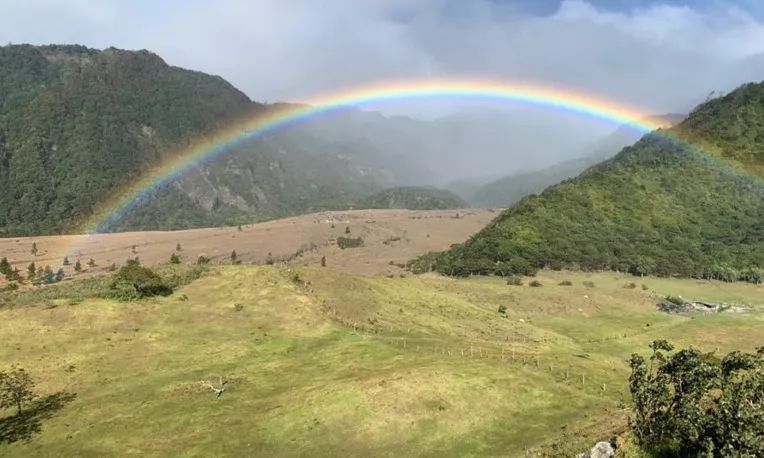
Geisha is extremely particular about its growing environment, requiring ample shade, high altitude, and fertile soil to showcase its refined flavor potential. Panama’s unique terrain and climate—including coastal plains in the north and south, continuous mountain ranges and volcanic peaks in the central area, along with the tropical maritime climate formed near the equator—feature humid days, cool nights, and significant diurnal temperature variations. These conditions help slow down the ripening process of coffee cherries, allowing them to accumulate richer flavor compounds.

Most of Panama has a tropical maritime climate with distinct wet and dry seasons. Its volcanic soils are fertile and well-draining, complemented by diverse microclimates that provide ideal growing conditions for Geisha. This environment fosters more elegant acidity, delicate floral aromas, and layered fruit notes, making the complexity and balance of Panamanian Geisha often surpass those of the same variety from other regions.
In fact, Geisha was first discovered in 1931 in the forests of southwestern Ethiopia. After years of traveling, it wasn’t introduced to Panama until 1970. Although countries like Costa Rica and Colombia later planted Geisha, due to differences in climate and soil conditions, most regions’ versions struggle to match the flavor layers and aromatic finesse of Boquete’s Geisha.
It’s worth mentioning that the Geisha discovered in 1931 was just one member of its varietal family. After years of cultivation and domestication in coffee laboratories across countries, it ultimately found its most suitable environment in Panama. Therefore, the Geisha we know today—especially the washed version from Panama’s Boquete region—has a distinctly different flavor profile from its wild ancestors in the forest, but leans toward greater refinement and balance.
In Panama, many coffee farms are still family-run. For example, the renowned Hacienda La Esmeralda was purchased by American banker Rudolph Peterson after his retirement and is now managed by his descendants. This model allows farms to invest more resources into cultivation and post-harvest processing, further enhancing the quality and flavor expression of their coffee.
In terms of processing methods, most Panamanian Geisha is processed using the washed method, which effectively improves the coffee’s cleanliness, resulting in brighter and crisper flavors. The washed process involves steps such as depulping, fermentation, washing, and drying, which remove excess impurities and undesirable flavors, highlighting the inherent floral, citrus, and honeyed characteristics of Geisha.
Based on actual cupping experiences, Geisha from Panama’s Boquete region, when roasted to a light-to-medium-light degree, retains the most fruit acidity and floral notes. After brewing, one can often perceive distinct white floral aromas, such as jasmine or gardenia, paired with refreshing citrus and lemon tones, as well as a soft honeyed sweetness. The finish leaves a hint of green tea-like freshness. This flavor combination makes Boquete Geisha a dream coffee for many enthusiasts.
If you wish to further explore Geisha brewing parameters, it is recommended to use a medium-light roasted Boquete Geisha bean. Grind size can be adjusted to medium-fine (e.g., around 70-75% passing through a 20-mesh sieve for pour over), water temperature should be controlled at 90–92°C, and a step extraction method is advised to fully showcase its layered aromas and acidity.
The above content is compiled by CoffeeHunters, a coffee news website.


