







Introduction:To celebrate its seventh anniversary in Malaysia, Chatime launched a “Tear Cup to Win” promotion featuring prizes such as electronics, perfumes, and designer bags, attracting a large number of consumers. However, during the event, the surge in store orders led to system failures — including inability to cancel orders, long wait times for pickup, and inconsistent drink quality. This article details the actual situation and customer feedback throughout the promotion, helping readers understand common challenges in tea drink promotions and possible areas for improvement.
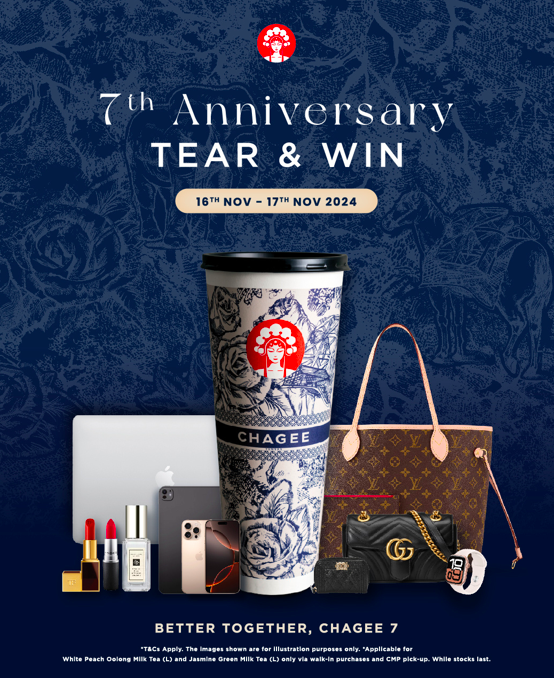
To mark its seventh anniversary, Chatime held a limited-time “Tear Cup to Win” promotion at all its Malaysian outlets on two designated days (the 16th and 17th). Customers who purchased specified drinks could tear open the outer layer of the cup to potentially win various rewards, including discount vouchers, electronics, perfumes, lipsticks, and even luxury backpacks. The attractive prize lineup successfully drew in many participants, with many customers visiting stores just to “try their luck.”
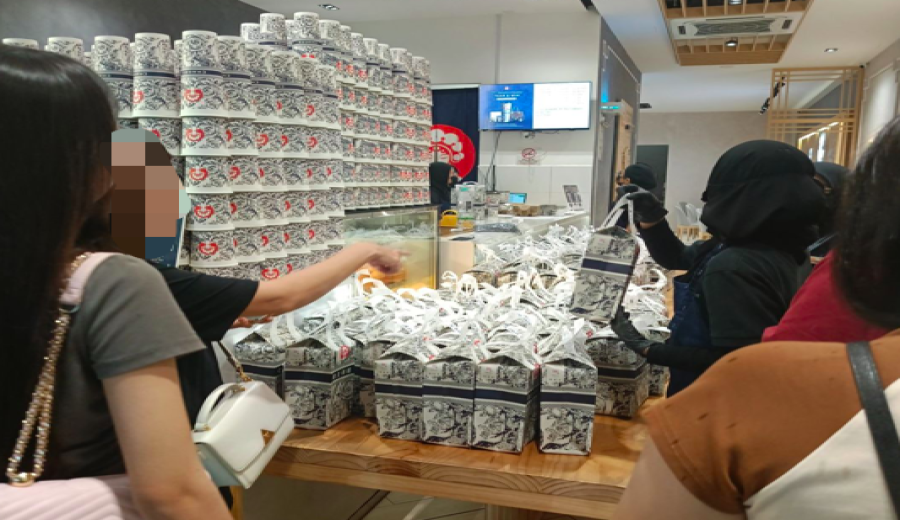
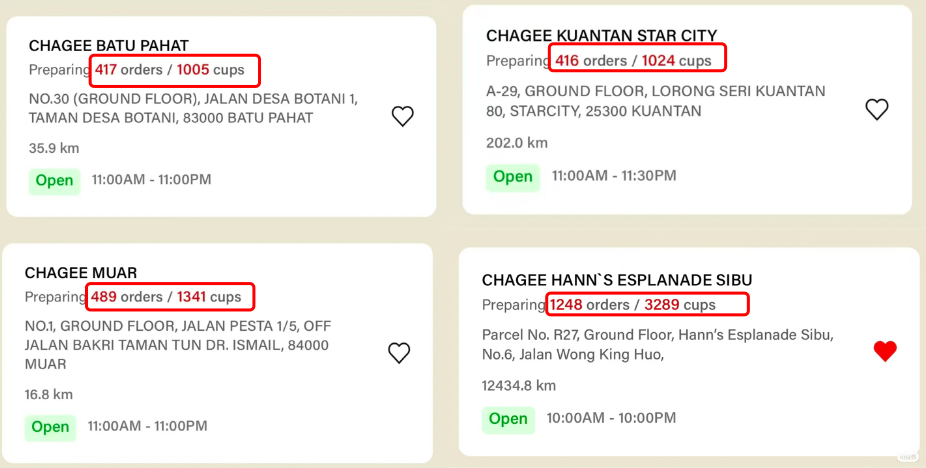
Shortly after the promotion began, outlets across Malaysia experienced an immediate influx of orders. Some store systems showed the number of drinks waiting to be prepared quickly surpassing one thousand, with some even exceeding three thousand, and the numbers continued to rise. The overwhelming volume of orders put immense pressure on in-store production, resulting in long wait times and difficulties in picking up orders.
Many customers took to social media platforms, stating that they had to wait several hours to collect their drinks, with some joking, “Are we supposed to wait until midnight to get our milk tea?”Some customers who wanted to cancel their orders found that the official online ordering system did not offer a cancellation option. Once payment was made, orders could not be modified or canceled by the user, forcing them to visit the store in person to ask for staff assistance, adding to the inconvenience.
Beyond system and pickup issues, many customers also questioned the quality of the drinks served that day, noting a noticeable difference in taste compared to usual and suspecting that the high volume of production affected quality control. There were also reports of system and process mismatches, such as “paid but no pickup code received” or “system showing drink not yet prepared even though it was already made and sitting on the counter,” further diminishing the overall customer experience.
Faced with these unexpected issues, customers generally felt that the brand should have better anticipated the potential peak and prepared in advance — for example, by implementing crowd control, staggered order intake, adding staff, or optimizing system functions. Especially for brands that have hosted similar events before, it is even more important to learn from past experiences and adjust promotional execution strategies to improve operational efficiency and customer service quality.
Some customers recalled that Chatime’s previous “tear cup” events in other regions or periods had relatively smooth operations and more positive overall feedback; however, this time the surge in orders led to system and on-site chaos, leaving many customers who were initially excited about the event feeling disappointed.
Industry insiders pointed out that while large-scale limited-time or lucky draw promotions can effectively boost brand exposure and short-term sales, without proper supporting measures, they can easily backfire — leading to poor customer experiences and even damaging brand reputation. It is recommended that future similar events undergo comprehensive evaluation and preparation in terms of order management, system load, staffing, and customer communication.
In summary, although Chatime’s seventh-anniversary “tear cup” promotion successfully garnered significant attention, issues such as system bottlenecks, delayed pickups, and inadequate service responsiveness during the event still leave ample room for improvement for both the brand and its customers. For tea beverage businesses, finding the right balance between promotional activities and daily operations will be key to continuously winning market trust in the future.
The above content is compiled by CoffeeHunters, a coffee news website.


