







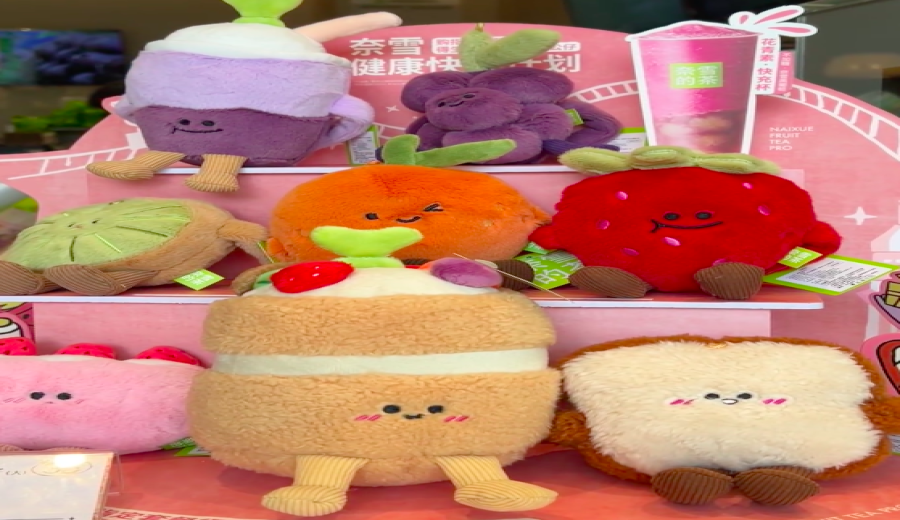
Introduction:The limited-edition plush toys launched by Nayuki during its ninth anniversary sparked a shopping frenzy, but multiple consumers reported that the dolls fell apart with severe adhesive failure after getting wet, with some even displaying “hidden edition” facial expressions that were incorrect. This article delves into the flaws of hot-melt glue bonding techniques, the official care instructions provided, and offers proper maintenance methods for plush toys to help readers avoid common quality control pitfalls in merchandise.
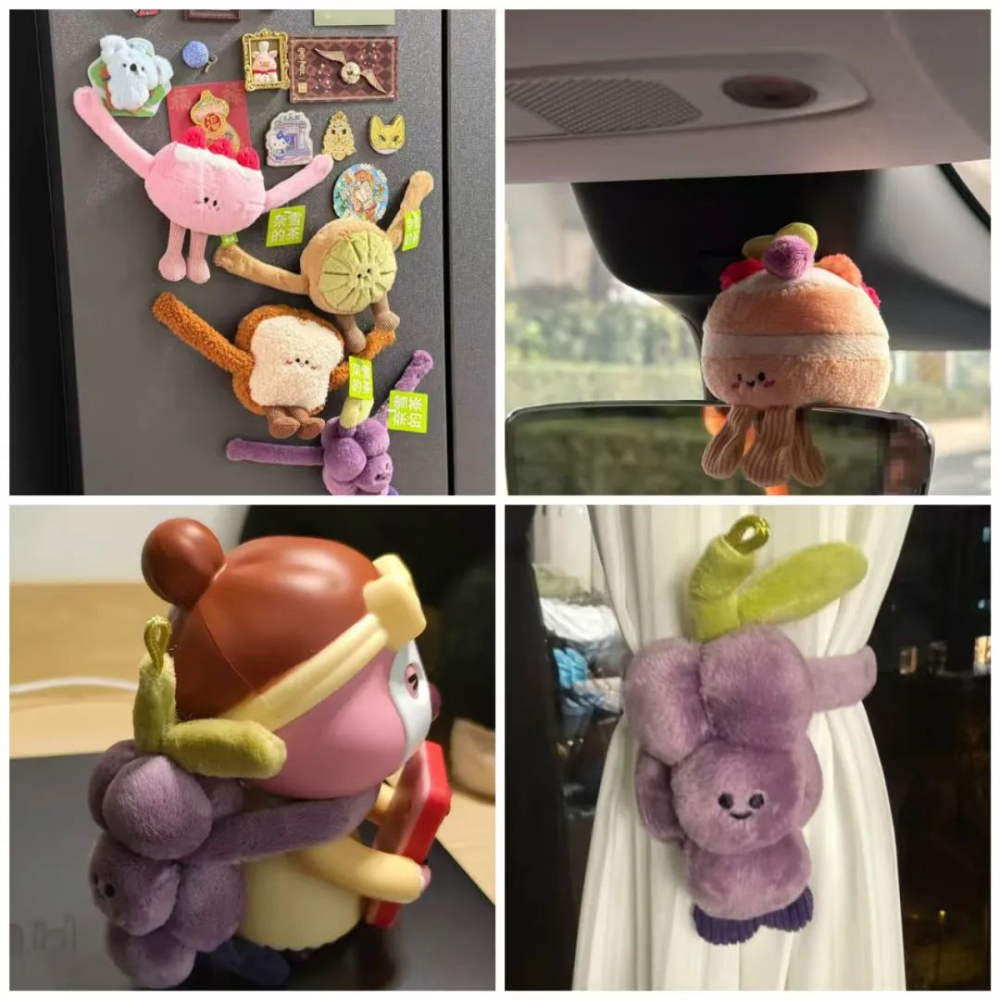
During its ninth-anniversary celebration, Nayuki released a limited collection of themed plush toys, among which the grape-shaped doll became a hit due to its cute design. However, many consumers discovered that these seemingly sturdy toys were actually bonded with hot-melt glue, which quickly lost its adhesion when exposed to water. Some users shared their experiences, noting that after just a standard washing machine cycle, an originally intact grape-cluster plush doll disintegrated into separate rubbery pieces.The scattered parts amounted to as many as twelve pieces.。
Test videos circulating on social media showed visible glue residue at the seams of the damaged dolls, confirming that traditional stitching techniques were not used in the manufacturing process. Upon checking the product tags, it was found that manufacturers had clearly marked a “do not wash” warning, yet most consumers only noticed this detail after the actual damage occurred.Professional laundry consultants advisethat even for plush toys labeled as suitable for gentle washing, cold water hand washing and flat drying are the preferred methods.
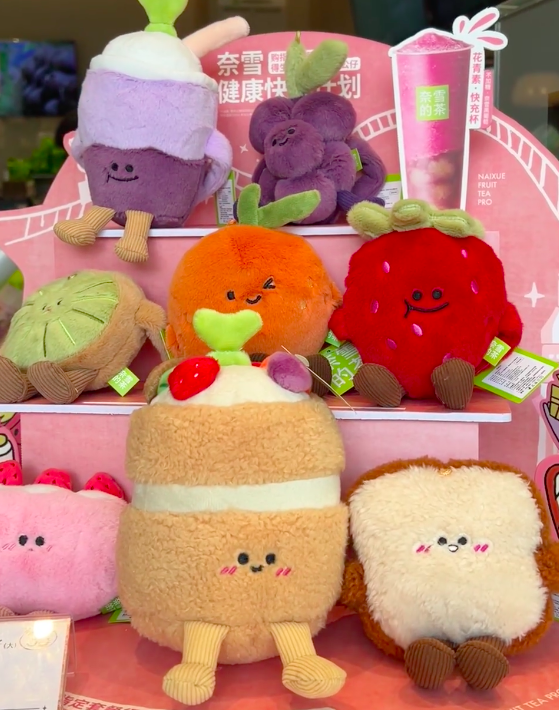
Beyond structural issues, some consumers received “abnormal versions” with missing or misplaced facial features. These flawed items, jokingly dubbed “hidden editions” by netizens, though rare, have further fueled market skepticism about quality control processes. Industry insiders explain that mass-produced merchandise often suffers from oversight during inspection, leading to such detail errors, and recommend inspecting key parts for integrity on-site before purchasing.
Regarding the controversy over hot-melt glue techniques, material scientists explained that while this method can reduce production costs,its water resistance is generally more than 30% lower than that of stitched products. Comparative experimental data shows that stitched toys can withstand more than five machine washes under the same conditions, whereas glued products typically fail at the seams after just one exposure to water. Experts suggest that consumers prioritize purchasing high-end merchandise labeled as “fully hand-stitched” or “waterproof treated.”
This incident highlights common risks in fast-fashion merchandise: opting for quick and cheap production methods to control budgets, while neglecting real-world usage needs. For those who have already purchased similar items, professional cleaners recommend alternative solutions—such as using a damp cloth to spot-clean surface stains or placing desiccants to prevent mold—thereby avoiding the risk of soaking the item entirely.For collectible-grade plush toys, it is advised to store them in transparent dust bags to extend their lifespan.
The above content is compiled by CoffeeHunters, a coffee news website.


