







Introduction:The 2025/26 Brazilian coffee harvest season is about to begin, and the latest estimates show that total production will decline slightly. Among them, the Arabica variety has seen a production drop of more than 10% due to drought and extreme weather, drawing significant market attention. This article delves into how abnormal weather in Brazil’s main producing regions is affecting coffee tree growth, explores whether Robusta can fill the gap, and examines how the delayed implementation of the EU’s EUDR regulation may cushion export impacts—helping readers grasp the latest developments in the global coffee supply chain.
The internationally renowned analysis firm StoneX recently released its first forecast report on Brazil’s 2025/26 coffee production, estimating the national output at approximately 65.6 million bags (60 kg per bag), a slight decrease of just 0.4% compared to the previous season. However, a closer look at different coffee varieties reveals that the market supply-demand structure is quietly shifting.
Specifically, Brazil’s flagship high-quality coffee—Arabica—is projected to yield 40 million bags, a sharp decline of 10.5% from the same period last year. In contrast, the relatively affordable Robusta variety is seeing counter-trend growth, with output expected to rise to 25.6 million bags, marking an annual increase of 20.9%. Despite Robusta’s strong growth, it is still unable to fully compensate for the supply shortfall caused by the Arabica reduction, so Brazil’s overall coffee output remains on a slight downward trend.
The main reason for this decline in Arabica production is closely related to the abnormal weather conditions in Brazil’s two core producing regions—Minas Gerais and São Paulo. Since the beginning of this year, these areas have experienced severe droughts, with many coffee plantations suffering prolonged lack of rainfall, resulting in critically low soil moisture. In some regions, river levels have dropped sharply and reservoirs are nearly dry, posing serious challenges to the growing environment of coffee trees.
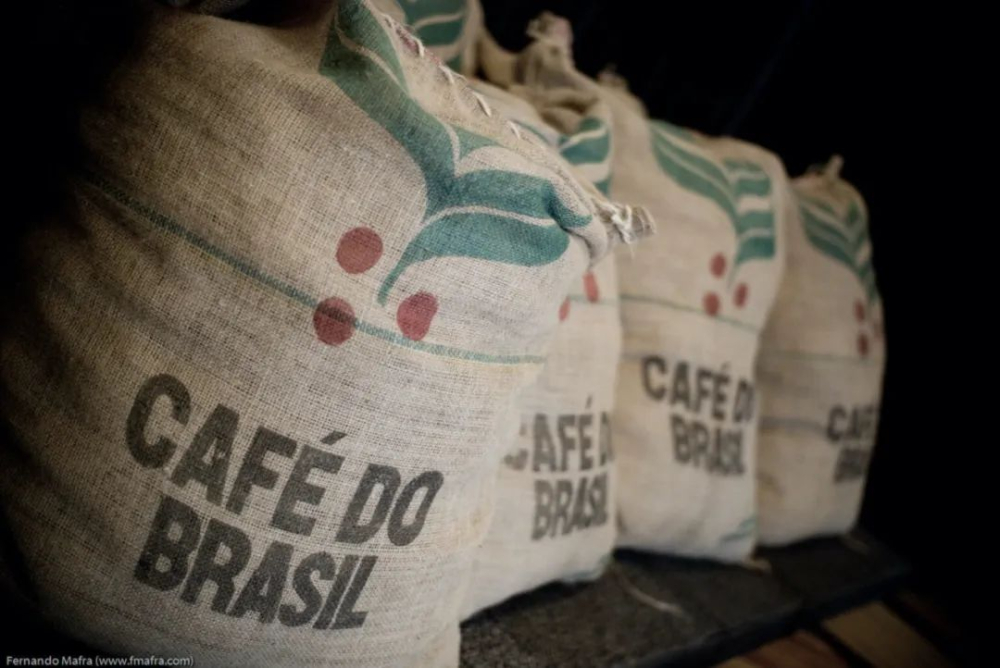
Although rainfall has gradually resumed in some areas since mid-October, the disaster for Brazil’s coffee-producing regions is far from over. Especially in São Paulo, the state has been hit by consecutive extreme storms, not only facing the risk of flooding but also accompanied by record-breaking strong winds, which have placed additional physiological stress on coffee trees during their critical growth period. While rain helps alleviate soil drought, strong winds and drastic weather changes can still disrupt the normal development of coffee cherries.
Focusing on Minas Gerais, Brazil’s largest Arabica-producing region, the situation is even more severe. According to observations by the local coffee research institution Fundação Procafe, some areas experienced extreme records of no rainfall for over 160 consecutive days during the drought, leading to soil moisture content far below normal levels. Data shows that the soil water deficit in Minas Gerais’ main coffee-growing areas is 250 mm higher than the standard value, marking the second highest water shortage on record.
Entering early October to November, Minas Gerais finally saw rainfall, but the amounts were still relatively low. Observational data from meteorological expert Climatempo indicates that the average rainfall in the region in October was only 63.4 mm, significantly lower than the historical average. More worryingly, the November rainfall forecast remains bleak, and temperatures in the region are expected to continue rising over the next 10 days, possibly reaching up to 35°C, while the weather becomes even drier—posing further threats to coffee trees that are about to enter the fruit-setting stage.
Experts generally believe that under such harsh climatic conditions, the likelihood of coffee trees recovering to their optimal yield state is extremely low. Therefore, multiple institutions, including StoneX, predict that this season’s Arabica coffee production in Brazil will decline by more than 10%, a trend also reflected in the recent continuous rise in international Arabica coffee futures prices.
In contrast, the climate conditions in Brazil’s other major coffee variety—Robusta—producing regions are relatively favorable. Robusta’s main producing areas, represented by the state of Espírito Santo, have seen effective replenishment of soil moisture driven by recent rainfall, with cumulative rainfall exceeding 100 mm in October, helping to ease previous drought conditions and providing a more ideal growing environment for Robusta coffee trees. As a result, this variety’s output is expected to grow this season.
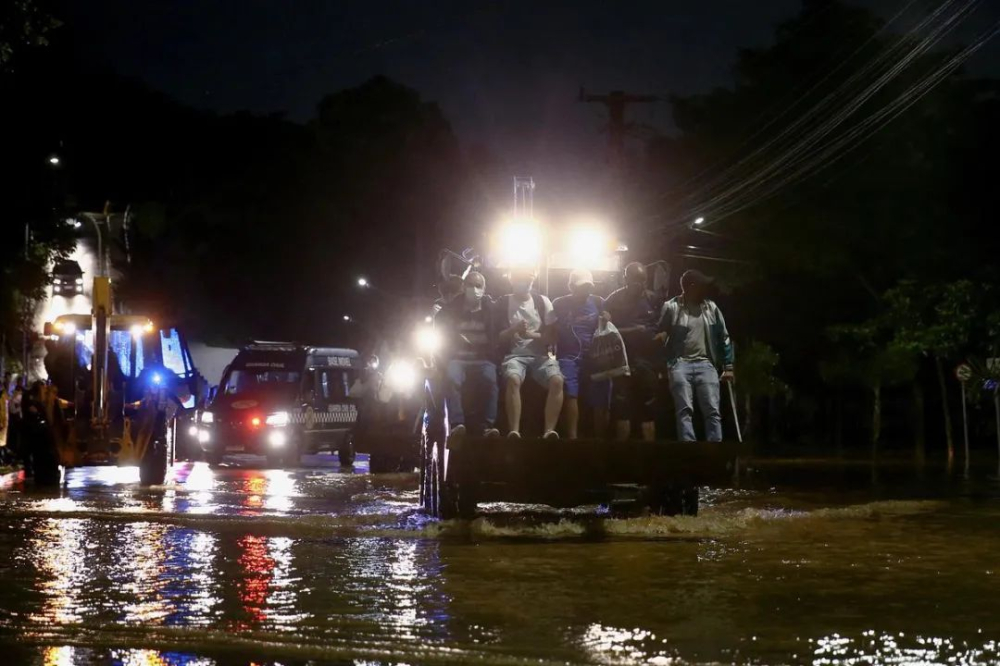
In addition to climatic factors, Brazil’s coffee industry has also recently received a policy-related piece of good news. The European Parliament officially passed a resolution to postpone the implementation of the upcoming “Deforestation-Free Regulation EUDR” by one year, with the new regulation set to take effect on December 30, 2025. Since the EU market accounts for about 20% of Brazil’s total coffee exports, this delay provides Brazilian coffee exporters with valuable buffer time to adjust their supply chains and production processes to meet the stricter regulatory requirements in the future.
Notably, during the discussion process, the European Parliament also introduced the new concept of “low-risk countries,” offering relatively relaxed regulatory thresholds for nations with stable or increasing forest cover. However, this new policy also adds uncertainty to the future enforcement of the EUDR regulation, which may impact the long-term development of the global coffee trade landscape.
The above content is compiled by CoffeeHunters, a coffee news website.


