







Introduction:Once the spotlight of specialty coffee shops, the siphon has gradually given way to pour over. This extraction method, originating in the 19th century, not only developed a unique aesthetic in Japan but was also once a classic in the hearts of many coffee enthusiasts. But why has the siphon gradually declined with the rise of fruit-acid-forward flavors and the market’s demand for efficiency? And which Japanese brand is most representative of siphon coffee? This article delves into the history and technical principles of the siphon, explores why it has been replaced by pour over, and takes you through the evolution of classic Japanese siphon brands.
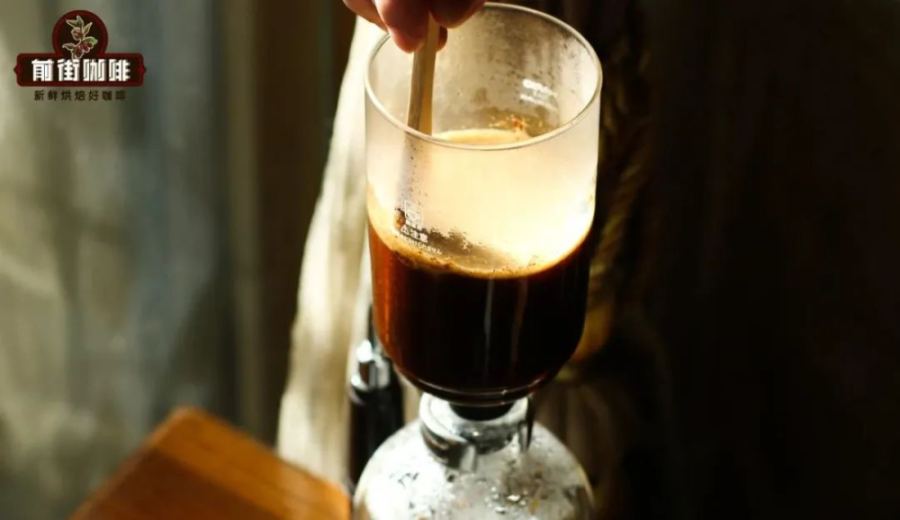
With its lab-like appearance, paired with the warm glow of a halogen or alcohol lamp, the moment coffee grounds are added, delicate bubbles rise from the hot water accompanied by captivating aromas. As the temperature drops, the coffee liquid quickly flows back down, resulting in a cup with a deep color and a well-rounded, balanced flavor. This extraction method once captivated many coffee lovers, especially in Japanese-style cafés, where it became a display of ritual. However, in today’s market where fruit-acid coffees dominate and speed of service is prioritized, the status of the siphon seems to have been surpassed by pour over.
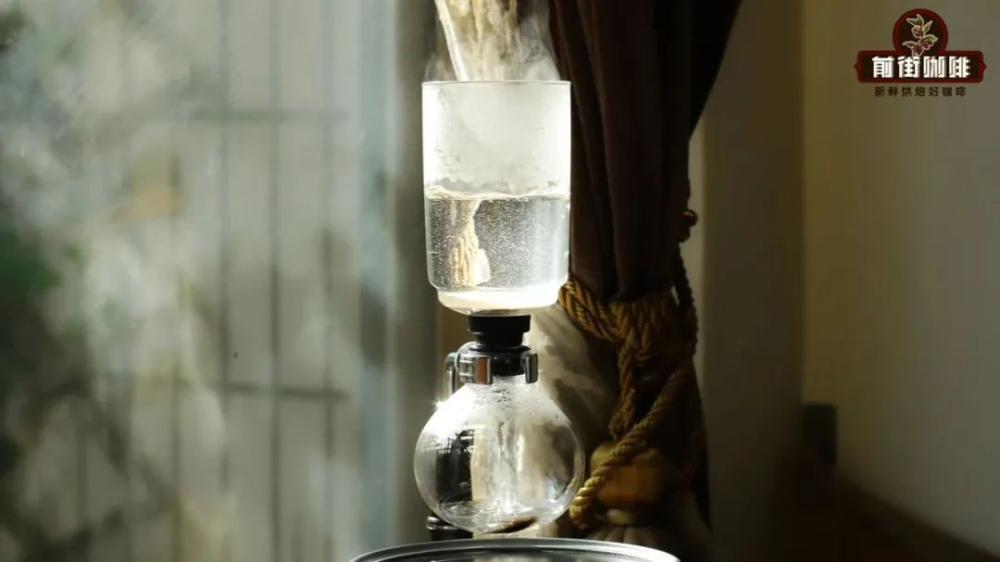
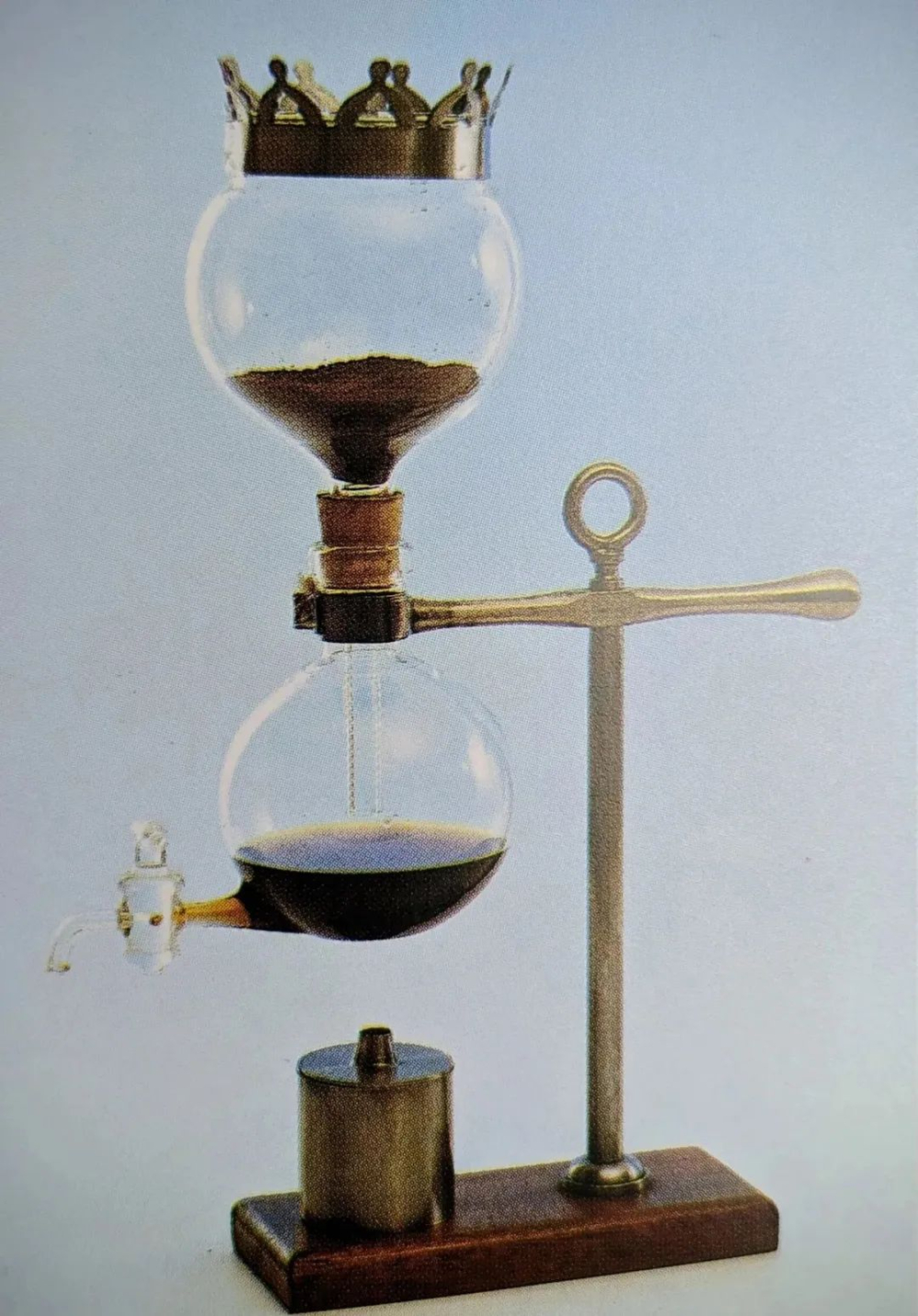
The siphon is known in English as “SIFFON,” and is also commonly called a siphon pot. Its operating principle relies on heating to cause water in the lower chamber to rise to the upper chamber due to steam pressure, where it mixes with coffee grounds. Once the temperature drops, the vacuum principle then causes the coffee liquid to flow back down into the lower chamber. This design originated as early as the beginning of the 19th century—nearly a hundred years before pour over coffee. According to records, in 1826, German physicist Johann Norremberg first created a prototype of the siphon using laboratory equipment to demonstrate the power of steam, but it did not gain popularity due to the lack of a patent.

It wasn’t until the mid-19th century that French inventor Marie Fanny Amelne Massot improved the device, introducing an up-and-down convection siphon pot, which was successfully patented in 1842 and truly brought to market. Around the same time, Scottish engineer Robert Napier also designed the Napier coffee pot, which utilized the vacuum principle, and received an award from the Institution of Mechanical Engineers in 1856, though it too was not patented. Subsequently, these types of vacuum extraction devices gradually gained popularity in Europe and the United States, but the emergence of automatic drip filtration technology led to the siphon being marginalized in the U.S.
When it comes to the popularization and cultural development of the siphon, Japan cannot be ignored. The Japanese market’s preference for dark roasted coffee, along with a high regard for craftsmanship and ritual, made the siphon an important part of the local specialty coffee culture. In particular, KONO (founded by Kobayashi Akira in 1925), introduced a vertical siphon pot, which was significantly improved by the second-generation president, Kobayashi Toshio, in 1964, laying the foundation for the modern siphon. This period coincided with rapid growth in Japan’s coffee market, and the siphon, due to its stable extraction and deep flavor profile, became widely popular in specialty cafés, giving rise to a unique Japanese siphon aesthetic.
To this day, in many Japanese cafés that emphasize tradition and handmade craftsmanship, the siphon remains an indispensable extraction tool. This lab-originated device has also spread to Taiwan and other Chinese-speaking regions under the influence of Japanese coffee culture, becoming a classic symbol in the hearts of many coffee enthusiasts.
But today, the siphon is gradually disappearing from many cafés—even when displayed, it is rarely used for actual service. This is closely related to the current market trend favoring fruit-acid flavors and efficiency. From Blue Mountain to Geisha, the trend in specialty coffee has shifted from dark roast richness to medium and light roast floral and fruity acidity, while the siphon, with its extraction principle focusing on bold, round, and balanced flavors, often falls short compared to pour over in highlighting subtle fruit acids and layered aromas.
In addition, the siphon has a relatively higher learning curve, requiring a heat source and full attention throughout the process. The cleanup afterward is also cumbersome, especially the flannel filter cloth, which needs immediate washing to avoid developing odors. For cafés with high volume output, such a procedure is not only time-consuming but also affects overall service efficiency. Moreover, while the price of a siphon generally falls within the range of 200 to 300 yuan, options are limited, and the brewing steps are fixed, offering less versatility than pour over tools. It also struggles to meet modern consumers’ demands for personalization and innovative extraction.
In summary, although the siphon holds a unique historical status and cultural charm, it has gradually given way to the more convenient and flexible pour over method in the face of the fruit-acid flavor trend and market demand for efficiency. As the stronghold of siphon culture, Japan’s representative brand KONO has not only driven technological innovation but has also witnessed the rise, decline, and evolution of this classic extraction device. For coffee enthusiasts, understanding the history and technical details of the siphon can not only deepen their appreciation but also allow for a fuller experience of the diverse flavor profiles brought by different brewing methods.
The above content is compiled by CoffeeHunters, a coffee news website.


