







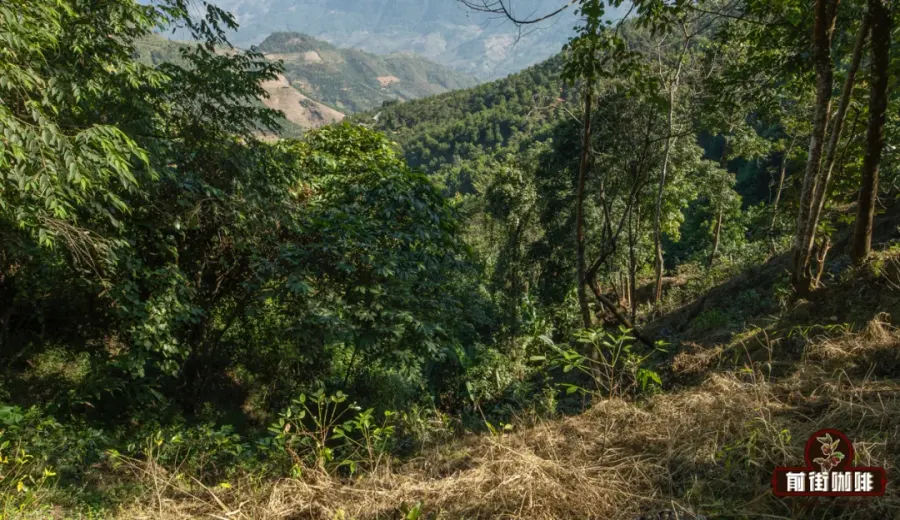
Introduction:Did you know? The altitude at which coffee is grown isn’t just a geographical figure — it’s one of the key factors influencing flavor expression. In many Central American coffee-growing regions, elevation is even used to classify beans, highlighting its importance. This article delves into how altitude, through environmental conditions like temperature, shapes a coffee’s unique flavors, and helps you understand which elevation ranges are best suited for growing high-quality beans.
Among the many factors that influence coffee flavor — such as latitude, climate, and soil — “altitude” is an indicator that is both intuitive and relatively stable. Especially in many Central American coffee-producing countries, planting altitude is even used as a basis for classifying coffee bean grades, which shows just how deeply altitude affects coffee quality.
So, why does altitude affect coffee flavor? Why are beans grown at higher altitudes generally considered to be of higher quality? This article will start with the core factor — temperature — and take you through how high-altitude environments produce coffee with richer flavors, while also analyzing which altitude ranges are most suitable for cultivating premium beans.
First, we need to understand that “altitude” refers to the vertical distance of a location above sea level. Generally speaking, the higher the altitude at which coffee is grown, the brighter and more complex the resulting beans tend to be. This isn’t a coincidence — there’s scientific reasoning behind it.
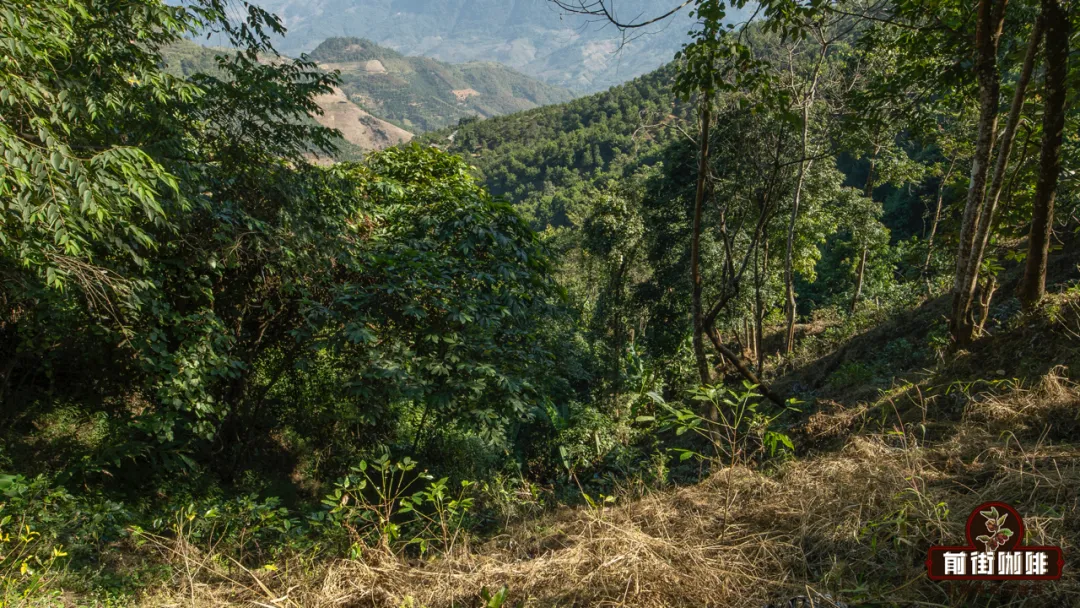
The reason high altitudes can yield tastier coffee mainly stems from the “survival pressure” that coffee trees face at higher elevations. In high-altitude areas, temperatures are usually lower and the diurnal temperature variation is greater. These environmental conditions slow down the growth rate of coffee trees, prompting a more thorough accumulation and transformation of flavor compounds within the coffee cherries.
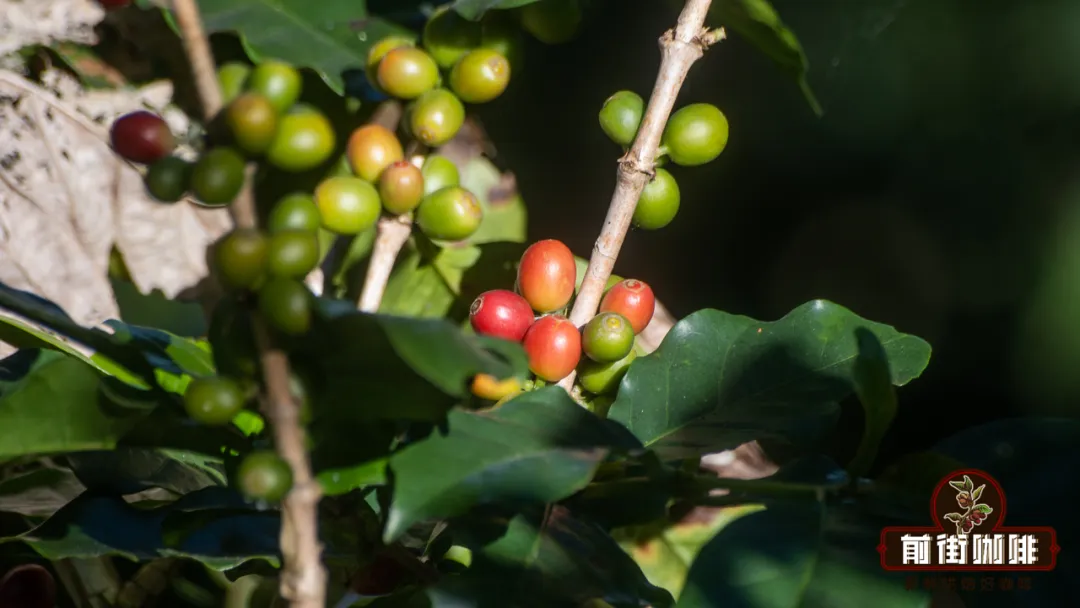
Among these,temperature plays an extremely critical role. Generally speaking, the suitable temperature range for growing Arabica coffee is about 15°C to 24°C. As altitude increases and temperatures drop, the physiological metabolism of the coffee tree slows down, extending the ripening time of the fruit. This helps accumulate flavor compounds such as sugars, acidity, and aromatic compounds.
In addition, high-altitude areas often have more abundant rainfall and good drainage conditions, along with soil layers that are usually deeper and rich in minerals. These conditions collectively promote healthy growth of the coffee plants, further enhancing the overall quality of the beans.
So, is higher always better? Actually, no. While high altitude does help enhance flavor, excessively high altitudes may result in temperatures that are too low, causing coffee trees to grow too slowly or even fail to flower and fruit properly. Therefore, there exists an “ideal altitude range” that strikes a balance between flavor and yield.

For Arabica coffee,the ideal planting altitude typically ranges between 1,000 meters and 2,000 meters. Within this range, moderate temperatures and distinct diurnal variations foster the development of coffee beans with bright acidity, rich sweetness, and delicate aromas. For example, many renowned coffee-growing regions, such as the highland areas of Guatemala, Costa Rica, and Colombia, fall within this altitude range.
In contrast, coffee grown at low altitudes (typically below 800 meters), where temperatures are higher and diurnal temperature differences are smaller, tends to ripen more quickly. This often leads to flavors that are more one-dimensional, lacking in acidity, and possibly carrying heavier herbal or earthy notes. As a result, low-altitude coffee is generally not the first choice for specialty coffee.
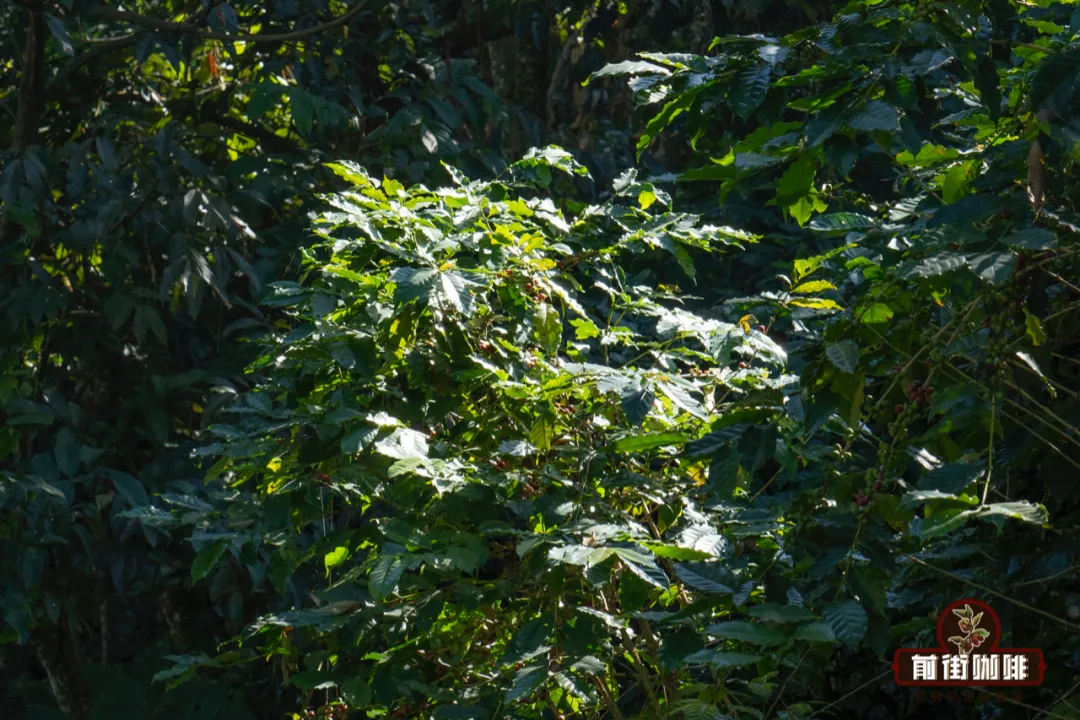
It’s worth mentioning that although Robusta coffee is more heat-resistant and resistant to pests and diseases, commonly grown at lower altitudes, its flavor profile is generally less rich than that of Arabica. However, even within Robusta, varieties grown at slightly higher altitudes may still see some improvement in flavor expression.
In summary, altitude influences the flavor profile of coffee by affecting multiple factors such as temperature, growth rate, and the fruit ripening process. For coffee enthusiasts who value flavor complexity and quality, understanding the growing altitude of coffee is an essential aspect when selecting and evaluating beans.

The above content is compiled by CoffeeHunters, a coffee news website.


