








Introduction:The closure of Luckin Coffee’s new branches in Seoul’s Hongdae and Gangnam districts has sparked speculation about whether the Chinese coffee chain might be exiting the South Korean market entirely. This article delves into the challenges Luckin has faced in its over year-long foray into Korea—including a complicated ordering process and product flavors that don’t align with local preferences—and explores how foreign brands can overcome localization hurdles in highly competitive environments, offering practical insights for coffee businesses looking to expand overseas.
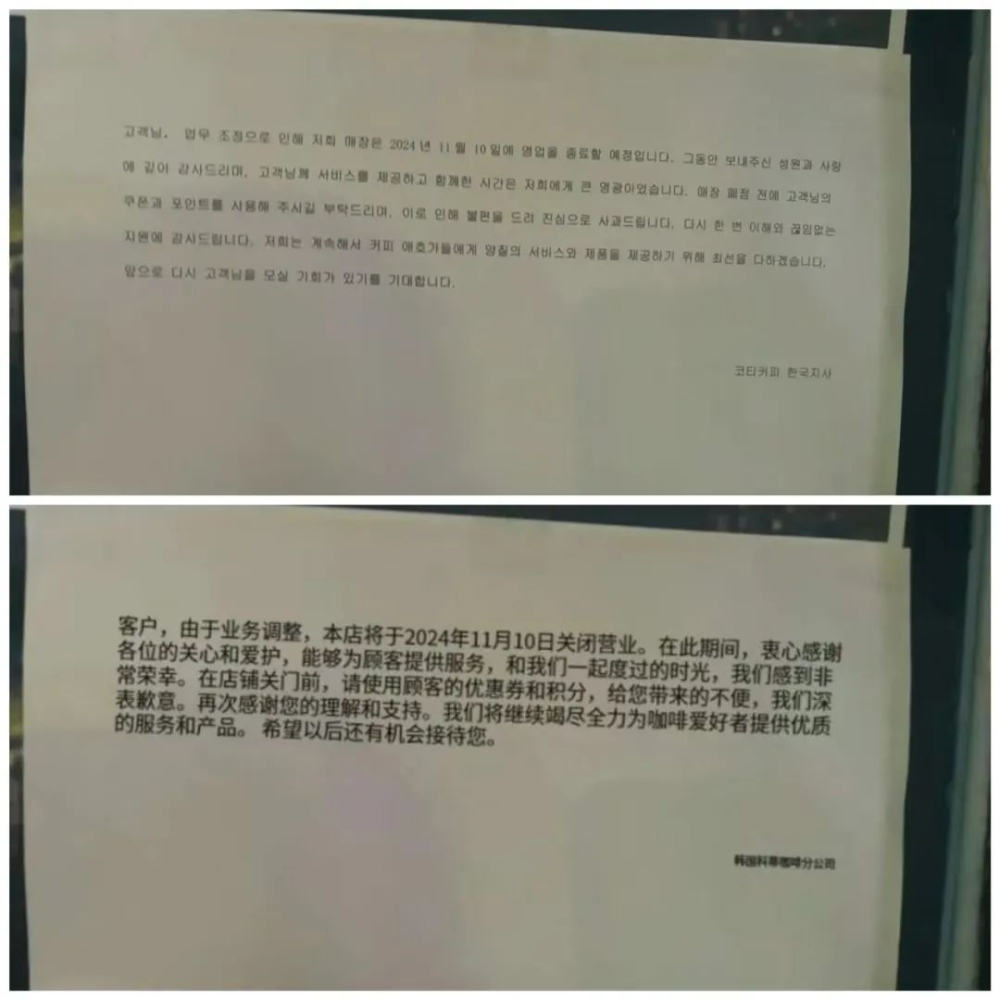
Recently, a post circulating on social media about Luckin Coffee shutting down its stores in Korea has generated considerable discussion. According to local Korean netizens, Luckin’s directly operated store in Seoul’s Hongdae officially closed on November 10, with a notice posted at the entrance confirming the news. Even more noteworthy is the report that the Gangnam branch has also closed, leading many to speculate that Luckin may be evaluating a full withdrawal from the Korean market.
Looking back to August 2023, Luckin chose Korea as its first overseas market, opening directly operated stores in high-traffic areas such as Gangnam and Hongdae in Seoul, showcasing its ambition to go global. However, the intensity of competition in Korea’s coffee market cannot be underestimated—statistics show that in 2023, the average Korean consumed 405 cups of coffee per year, more than double the global average of 152 cups for the same year, highlighting the strong demand among local consumers.
Despite the huge potential of the Korean market, Luckin’s operations there have not gone smoothly.Local netizens have pointed out that Luckin’s management team consists mostly of Chinese nationals who have neither studied nor lived in Korea, resulting in a limited understanding of local consumer habits and preferences.For instance, Luckin’s ordering process requires downloading multiple apps and scanning codes, which is noticeably more cumbersome compared to the streamlined ordering methods of domestic Korean brands, negatively impacting the customer experience.
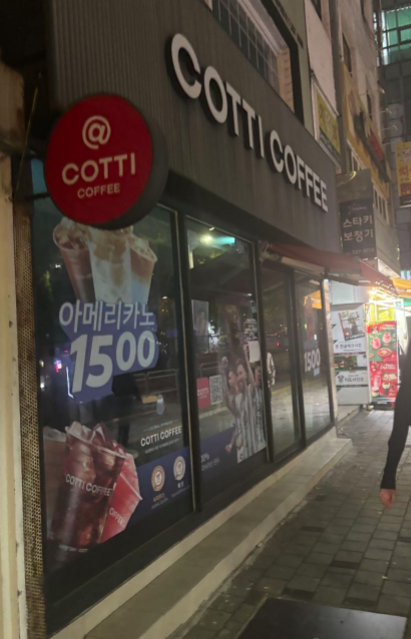
Additionally, product flavor is another major challenge for Luckin. Korean coffee enthusiasts have unique preferences when it comes to coffee taste, yet Luckin’s product offerings and blends have not adequately catered to local market demands, making them less competitive compared to domestic brands. Some netizens have bluntly stated that Luckin has “failed to adapt” in Korea and cannot compete with the numerous local coffee shops found on every street corner.
It is worth noting that Luckin’s operational model in Korea relies on a strategy of directly operated stores, which ensures quality control but also increases operational costs and management complexity. Faced with Korea’s densely packed coffee market—where coffee shops seem to be found “every three steps”—Luckin’s pricing strategy and product differentiation have failed to stand out effectively, further affecting its market performance.
Currently, Luckin Korea’s official website shows that both the original Hongdae and Gangnam stores are listed as “temporarily closed,” but the company has not officially announced whether it will completely withdraw from the Korean market. However, based on feedback from local netizens, Luckin’s operational prospects in Korea look grim, and store closures may just be a matter of time.
Overall, the operational challenges Luckin faces in Korea reflect the localization difficulties that foreign brands must confront when entering highly mature markets.In addition to ensuring that products and services align with local consumer preferences, the local experience and market sensitivity of the management team are also key factors determining success or failure.For coffee brands aiming to expand into overseas markets, Luckin’s experience in Korea offers valuable lessons, reminding businesses of the need to gain a deeper understanding of the target market’s consumer habits and competitive landscape.
The above content is compiled by CoffeeHunters, a coffee news website.


