







Introduction:Are you curious about how much caffeine is actually in a cup of pour over or espresso? What does the recommended daily intake limit of 400 mg really mean in terms of how many cups you can drink? This article will delve into the key factors that influence caffeine content, including coffee bean variety, roast level, and brewing method, and provide a practical calculation formula to help you accurately gauge your caffeine intake per cup—so you can enjoy your coffee healthily and with peace of mind.
Many coffee enthusiasts wonder just how much caffeine is hiding in their cup. Going a step further, how many cups a day is considered safe? While there are common estimates for the caffeine content of various coffee beverages, differences in bean type, grind size, brewing method, and dosage make it difficult to provide a one-size-fits-all standard answer.
To help you better understand your daily caffeine intake, we’ll introduce you to a practical calculation logic that allows you to estimate the caffeine content in your pour over or espresso based on the beans and brewing method you use. Moreover, we’ll analyze the key factors affecting caffeine release, such as coffee bean variety, roast darkness, and even extraction rate, so you can fundamentally grasp the science behind each cup of coffee.
Before we start calculating, there’s an important concept to clarify: caffeine is not 100% extracted during brewing, so the numbers we provide are reasonable estimates rather than lab-grade absolute values. But don’t worry—as long as you master the following core parameters, you’ll have a good sense of the caffeine range in each cup.
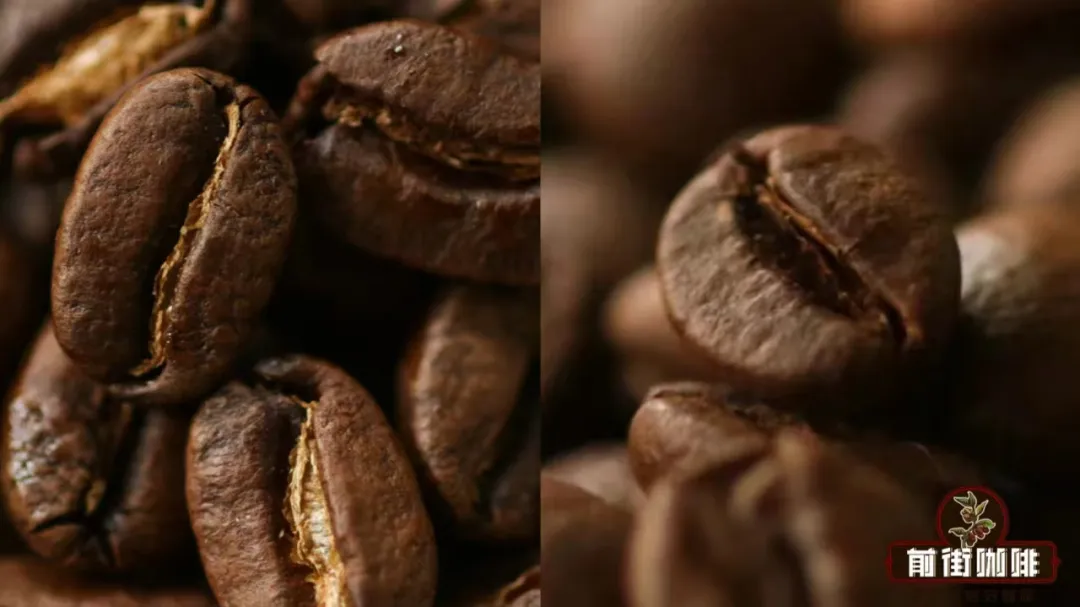
First, let’s look at the source of caffeine—coffee beans. Different coffee bean varieties naturally vary in caffeine content. The two most common commercial coffee bean varieties are Arabica and Robusta. There’s a clear difference in their caffeine levels: Robusta contains approximately 2% to 4% caffeine by bean weight, while Arabica has relatively less, around 0.9% to 1.4%. It’s precisely because Arabica offers a smoother flavor with brighter acidity that it’s the preferred choice for most specialty and everyday fresh-ground coffee, whereas Robusta, often with a harsher profile, is mainly used in instant coffee or espresso blends to enhance crema.
When it comes to roast level, there’s a common myth online: “Dark roast has more caffeine than light roast.” In reality, if you’re using the same batch of beans and only changing the roast degree, the absolute caffeine content remains almost unchanged. Caffeine is a relatively stable compound and isn’t easily destroyed or significantly reduced under typical roasting temperatures. However, if you compare dark roast and light roast beans of the “same weight,” the dark roast beans lose more weight during roasting (due to evaporation of moisture and organic compounds), meaning the caffeine per gram of dark roast beans may be slightly higher. In other words, if you brew using the same number of grams, dark roast coffee might release “just a tiny bit more” caffeine. But this difference is usually only noticeable in extreme roast comparisons and is generally minimal.
Taking all the above factors into account, we can establish a simple formula to estimate the caffeine content in a cup of coffee: coffee bean weight in grams × average caffeine content of that variety ÷ 2. The reason for dividing by 2 is that caffeine is a large-molecule compound with a relatively slow extraction rate—even under optimal conditions, only about half of the total caffeine is typically dissolved. Additionally, to maintain balanced coffee flavor, the extraction rate is generally controlled between 18%–22% to avoid extracting too many impurities and undesirable flavors.
For example, if you use 15 grams of Arabica beans for pour over, with an average caffeine content of 1.3%, the calculation would be: 15 × 1.3% ÷ 2 ≈ 97.5 mg of caffeine. If you use 20 grams, it would be about 20 × 1.3% ÷ 2 ≈ 130 mg. It’s worth noting that if you extend the brewing time, the caffeine released may increase slightly, so you can adjust the estimate accordingly.
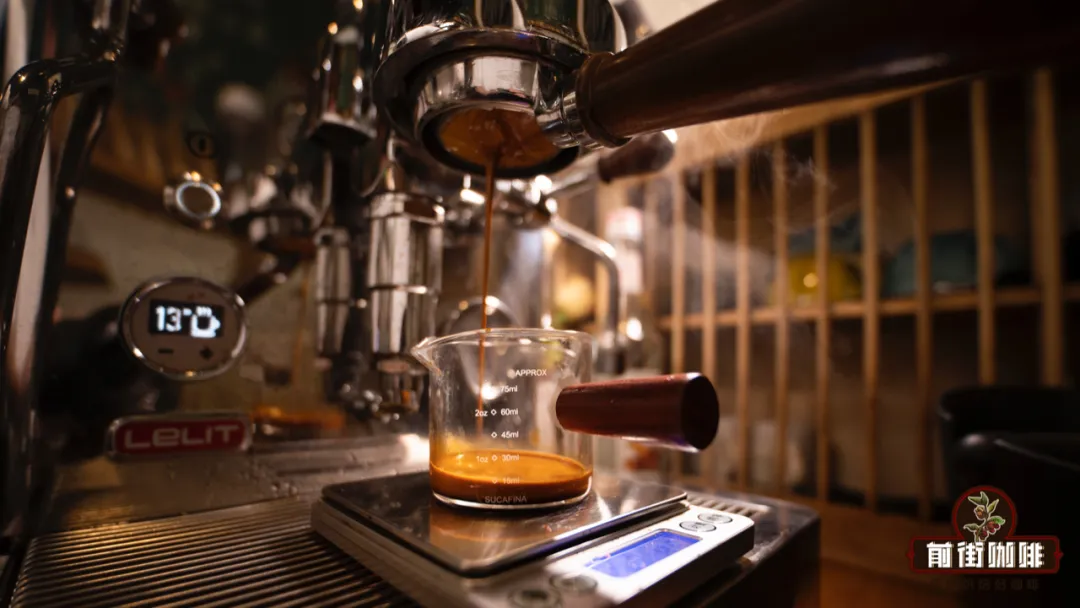
As for espresso-based drinks, such as espresso shots, since most cases also use a single shot (about 7–10 grams of coffee beans), the calculation method is similar to pour over. Whether you’re drinking straight espresso, an americano (with hot water added), or milk-heavy drinks like lattes or cappuccinos—as long as the base is a single shot—the caffeine content is essentially the same. You can apply the same formula above, estimating caffeine content based on the actual grams of coffee beans used.
After understanding how to calculate caffeine content, you can then plan your coffee consumption rhythm based on the internationally recommended daily caffeine intake limit of about 400 mg. For example, if you drink a pour over with about 100 mg of caffeine in the morning, a latte with around 100 mg at noon, and another cup in the afternoon, the total may approach or even exceed the recommended value. Especially for pregnant individuals, those with cardiovascular conditions, or people sensitive to caffeine, it’s advisable to control intake moderately or opt for decaf alternatives.
In summary, mastering caffeine content boils down to understanding the interplay between bean variety, roast level, dosage, and brewing method. While we can’t precisely control the caffeine release in every cup, by using reasonable estimation formulas and basic parameters, you’ll be able to enjoy your coffee more wisely—balancing health and flavor.
The above content is compiled by CoffeeHunters, a coffee news website.


