







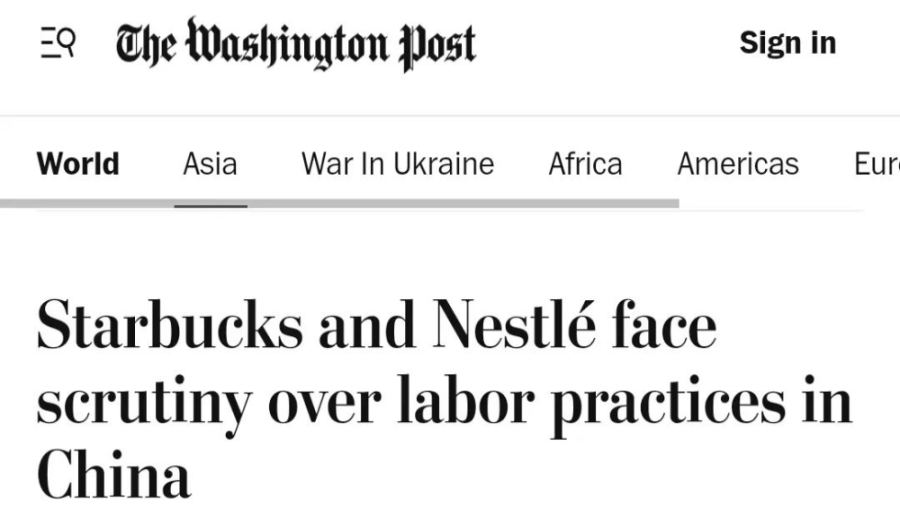
Introduction:A new investigation has revealed that some partner farms in Starbucks and Nestlé’s coffee supply chains in China’s Yunnan Province may be using a “ghost farm” model to evade labor responsibilities, resulting in pickers facing issues such as long working hours and inadequate protections. This article delves into the certification loopholes behind the incident and offers practical advice for consumers to identify responsibly sourced coffee.
International labor watchdogs recently conducted an independent investigation into Yunnan Province’s coffee-growing regions and found multiple labor compliance issues within Starbucks’ C.A.F.E. Practices and Nestlé’s 4C-certified supply chains. The investigation highlighted an operational practice known as “ghost farms,” where uncertified smallholder family farms supply coffee beans informally to larger, internationally certified estates.
This model allows large estates to maintain surface-level compliance in production data while shifting actual labor conditions onto unregulated farms. According to long-term undercover investigations by researchers, pickers at these small farms generally face harsh working environments—including excessively long daily hours, lack of basic protective equipment, and almost no formal employment contracts.
The investigation team, jointly carried out by China Labor Watch and the Danish Coffee Observatory, conducted dozens of on-site interviews at 26 farms around Pu’er City suspected of supplying Starbucks and Nestlé. Interviewees included farmers, family members, and local educators. Data shows that picker compensation is entirely based on weight harvested, driving them to work from dawn until dusk year-round to increase earnings.
The key issue lies inthe fact that such informal supply relationships prevent major certification systems like C.A.F.E. Practices and 4C standards from effectively tracking actual labor conditions. In its official response, Starbucks emphasized that its supplier agreements explicitly require complete production records and strictly prohibit informal supply arrangements. The company also noted that the C.A.F.E. Practices program includes regular third-party audits to ensure supply chain compliance.
Nestlé, for its part, revealed that it has been sourcing coffee beans from China since the 1980s and is actively contacting relevant suppliers for detailed investigations, pledging to take corrective actions if necessary. Industry experts caution that when choosing fair trade or certified coffee, consumers should pay attention to the frequency and scope of audits conducted by certification bodies.
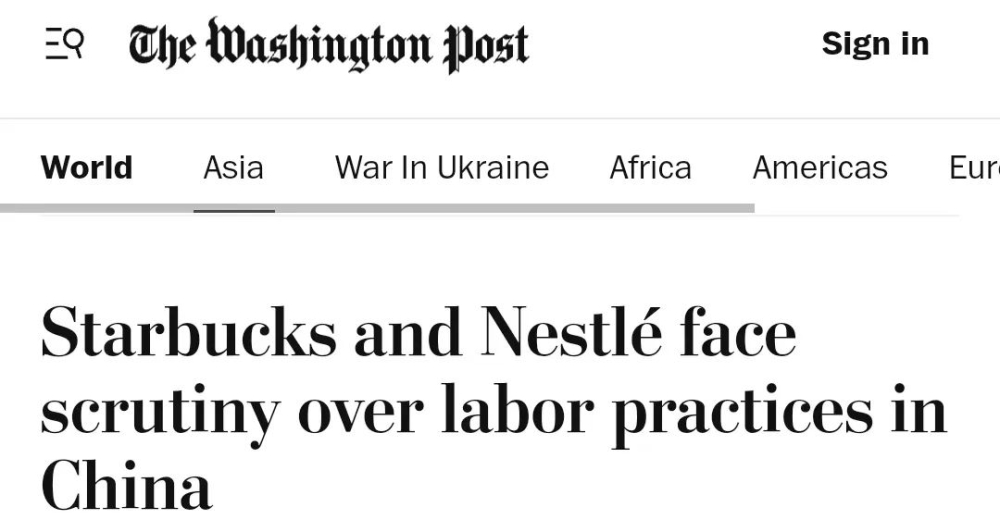
This investigation particularly points out,the blind spotin the certification system lies in the difficulty of tracking actual operations in the secondary supply chain. Many certified estates may meet documentation requirements but still indirectly contribute to labor rights violations by collaborating with unregistered farmers. Image source: The Washington Post
Industry experts recommend that consumers who wish to support responsible coffee prioritize products clearly labeled with full supply chain traceability and pay attention to whether brands publicly share third-party audit reports. For directly sourced origin coffee, it is advisable to inquire about specific farmer cooperation models and labor protection measures.
The above content is compiled by CoffeeHunters, a coffee news website.


