








Introduction:Have you ever tasted an unexpected salty flavor when brewing pour over coffee? This unusual taste may indicate issues with extraction or bean quality. This article delves into the causes of salty flavors in coffee, exploring factors from growing environments and defective beans to under-extraction, helping coffee enthusiasts identify problems through flavor, optimize brewing parameters, and enhance the coffee experience.
The salty taste in coffee has always been present; it primarily originates from various mineral components within the coffee bean, such as sodium, calcium, magnesium, as well as inorganic elements like cyanide, bromide, and nitrates. However, the content of these minerals is usually low and, under normal circumstances, is masked by other prominent flavors in coffee—such as acidity, sweetness, and bitterness—so most people do not particularly notice the presence of saltiness.
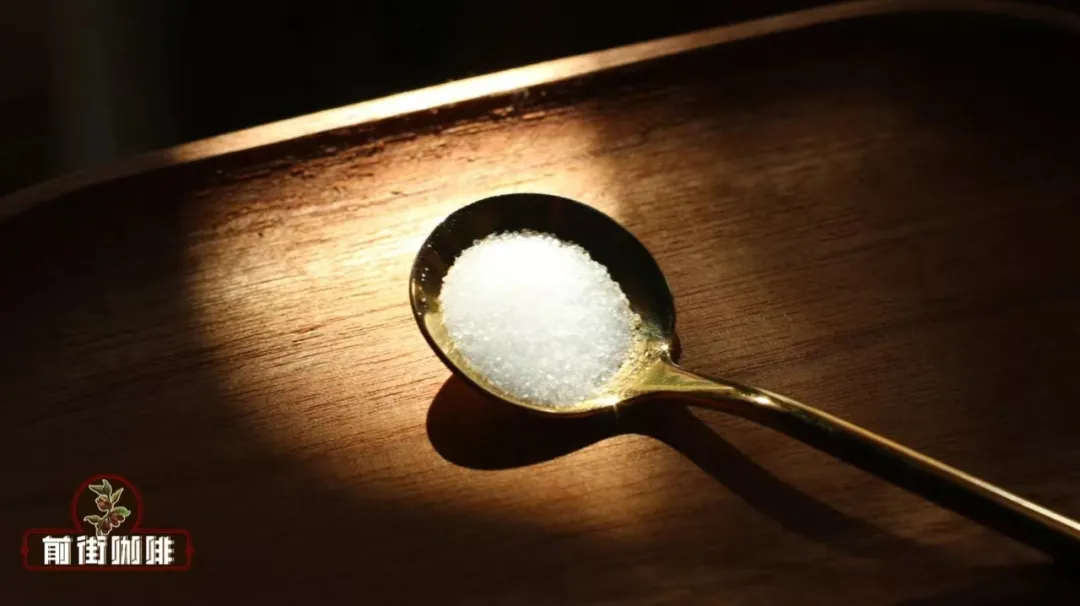
In fact, a moderate amount of naturally occurring saltiness in coffee can play a supportive role in overall flavor, balancing the taste profile—similar to how adding a pinch of salt can enhance sweetness and body in coffee. However, this saltiness must be kept at a very minimal level. Once it becomes noticeably prominent in the coffee, it often signals potential issues during the brewing process or subpar coffee bean quality.

When a cup of coffee presents a clear salty taste, many consumers may feel confused or even uncomfortable. This abrupt flavor is generally not what coffee should taste like. So, why does coffee sometimes have an unpleasant salty note? This may involve multiple factors, including the growing environment, bean processing and storage, and most importantly—whether the brewing extraction is done properly.
Next, we will analyze the causes of salty flavors in coffee from multiple perspectives and examine the specific flavor characteristics of under-extracted coffee, helping you more accurately assess your brewing conditions.
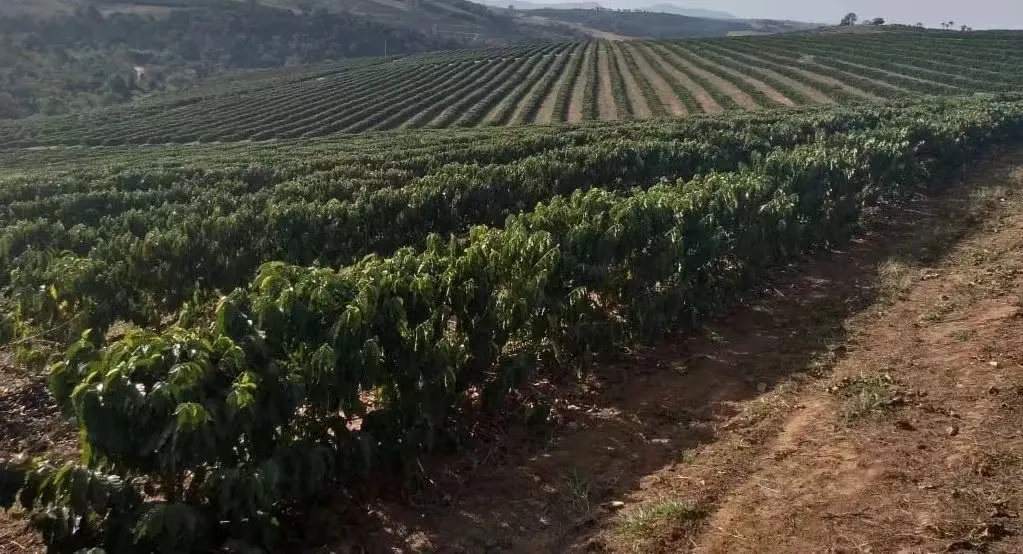
First, the coffee growing environment has a profound impact on the final flavor. As is well known, when coffee trees grow at higher altitudes, the lower temperatures slow their growth rate. To withstand the cold, the plants produce more sugar compounds and other flavor precursors, thereby enhancing the sweetness and complexity of the coffee. These abundant organic acids and sugars can effectively neutralize or mask the trace amounts of saltiness naturally present in coffee.
Conversely, if coffee is grown at lower altitudes where the environment is warmer, the metabolic rate of the coffee trees is relatively faster, but they also find it harder to accumulate sufficient sugars and acidic compounds. This results in a coffee flavor that tends to be bland, lacking enough acidity and sweetness to balance or mask the saltiness. In such cases, even slight brewing deviations can easily make the saltiness in the coffee stand out.
Additionally, other variables during the growing period—such as hours of sunlight, rainfall, soil fertility, and fertilization methods—can significantly affect the proportions of various flavor compounds produced in the coffee beans. If the coffee does not receive adequate sunlight or nutrients during its growth stage, or if rainfall is unstable, it may inhibit the synthesis of sugars and acids, relatively increasing the proportion of salty flavor components in the overall flavor profile, thus making it easier for saltiness to be released during extraction.
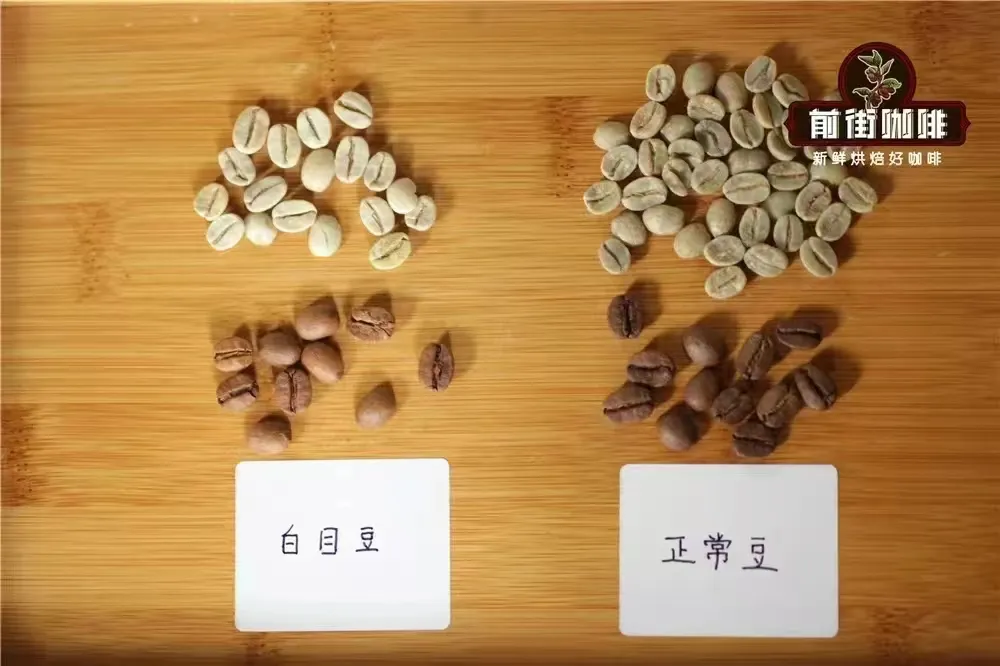
Another important factor influencing the saltiness of coffee is the presence of defective beans. If defective beans are not carefully screened and removed before or after roasting, these poor-quality beans can significantly affect the flavor of the brewed coffee. Among them, “unripe beans,” also known as “white-eye beans,” are the most typical.
Unripe beans refer to coffee cherries that are picked before they are fully mature. They are usually lighter in color, harder in texture, and have not completed their intended flavor development process. After roasting, these beans not only lack the expected sweetness and acidity, but are also prone to releasing off-flavors such as grassy, overly sharp, or even salty notes during brewing, severely affecting the overall flavor harmony.
Defective beans are not limited to unripe ones; insect-damaged beans, black beans, and broken beans can also introduce unpleasant off-tastes. However, unripe beans are particularly notable contributors to saltiness. If a cup of coffee has a distinctly salty taste, it is likely due to a significant proportion of defective beans in the batch—especially those that are not fully ripe.
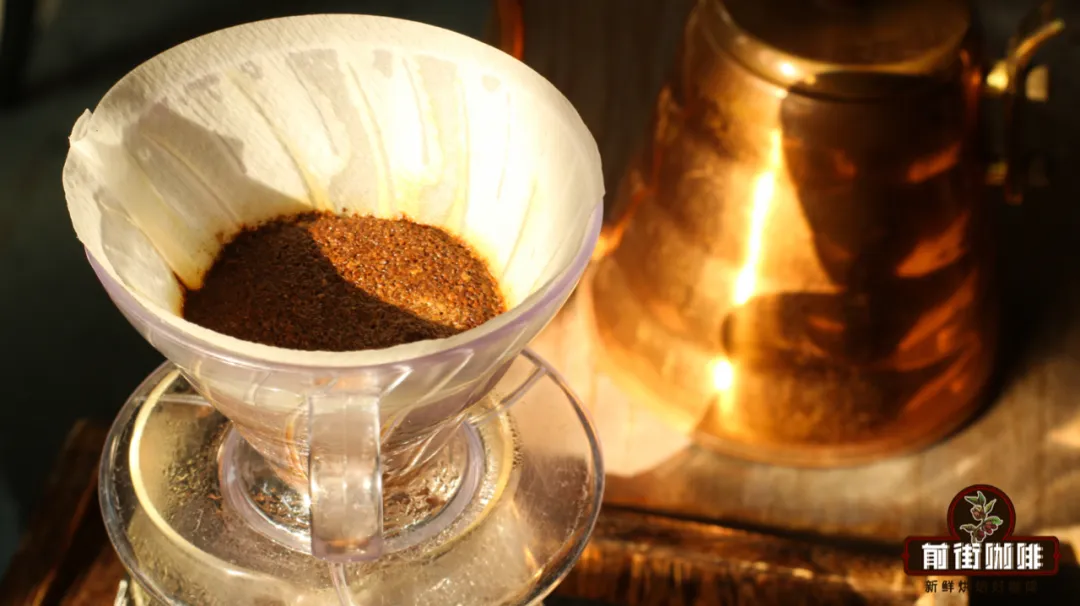
Beyond factors related to growing and raw materials, technical issues during the extraction process are also one of the main reasons for pronounced coffee saltiness. When extraction is insufficient, the soluble substances in the coffee—particularly those that contribute sweetness and body—are not adequately released, while some negative flavor compounds, including trace amounts of salty minerals, are relatively more easily extracted.
Under-extracted coffee typically manifests as: thin body, unclear flavors, sharp acidity lacking complexity, sometimes accompanied by a metallic or earthy taste, and saltiness is often one of these traits. If you find that the first impression of your pour over coffee upon tasting is not rich aroma or sweetness, but a slightly salty taste—or even a rough aftertaste—it is very likely that there was a problem during the extraction stage.
To avoid under-extraction, it is recommended to check whether your grind size is appropriate (medium-fine grind is generally suitable for most pour over methods), the water temperature is reasonable (typically advised between 90°C and 94°C), and the coffee-to-water ratio is balanced (common ratios are 1:15 to 1:16). Ensure stable water flow during brewing, sufficient blooming, and even pouring so that the coffee bed receives comprehensive and uniform extraction.
The above content is compiled by CoffeeHunters, a coffee news website.


