







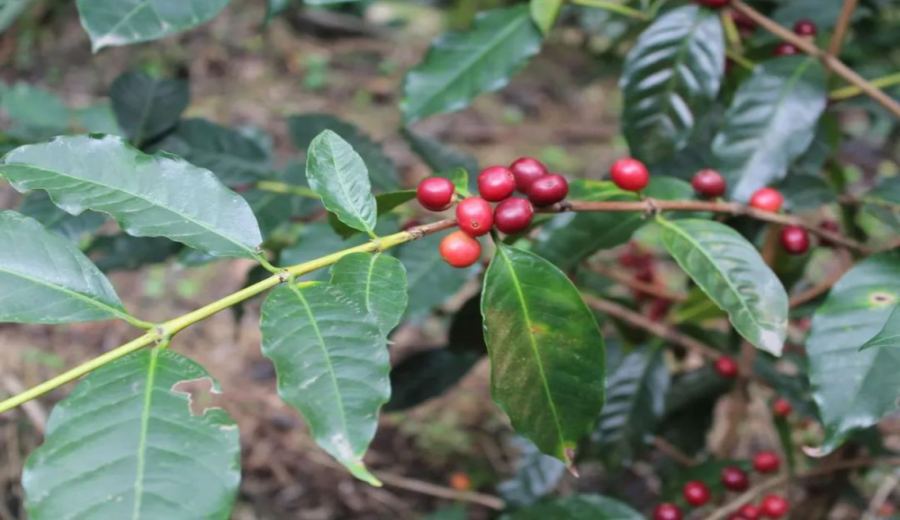
Introduction:Jamaican Blue Mountain coffee and Papua New Guinea coffee both belong to the Typica variety, and due to their similar island-like environments, they are often compared. Papua New Guinean coffee even earns the nickname "Little Blue Mountain." This article explores their core differences from the perspectives of variety background, growing region geography, grading systems, and actual flavor profiles, and also includes brewing suggestions and detailed observations to help coffee enthusiasts distinguish and choose the specialty coffee that suits their taste.
Typica, as one of the most historically significant varieties in Arabica coffee, is known for its elegant flavor and high-altitude adaptability, but it also faces challenges such as low yield and weak disease resistance. This variety has tall plants that thrive in cool, high-altitude environments, yet it is susceptible to leaf rust and pests, which has led to its gradual replacement by higher-yield, newer varieties in most parts of Central and South America. However, in Jamaica and Papua New Guinea, Typica has been carefully preserved and cultivated, giving rise to two highly representative specialty coffees.
Both Jamaican Blue Mountain coffee and Papua New Guinea coffee are primarily of the Typica variety, and due to their similar geography and climate conditions, they are often compared. Among them, Papua New Guinean coffee is even regarded as "Little Blue Mountain" because of its flavor similarity to Blue Mountain. Nevertheless, if you delve into the specifics of their growing region characteristics, grading systems, and actual cupping performances, the two actually each have their own unique personality. Below, we will break down their similarities and differences from multiple angles and supplement with practical brewing insights to help you more accurately identify and appreciate these two classic island-style coffees.
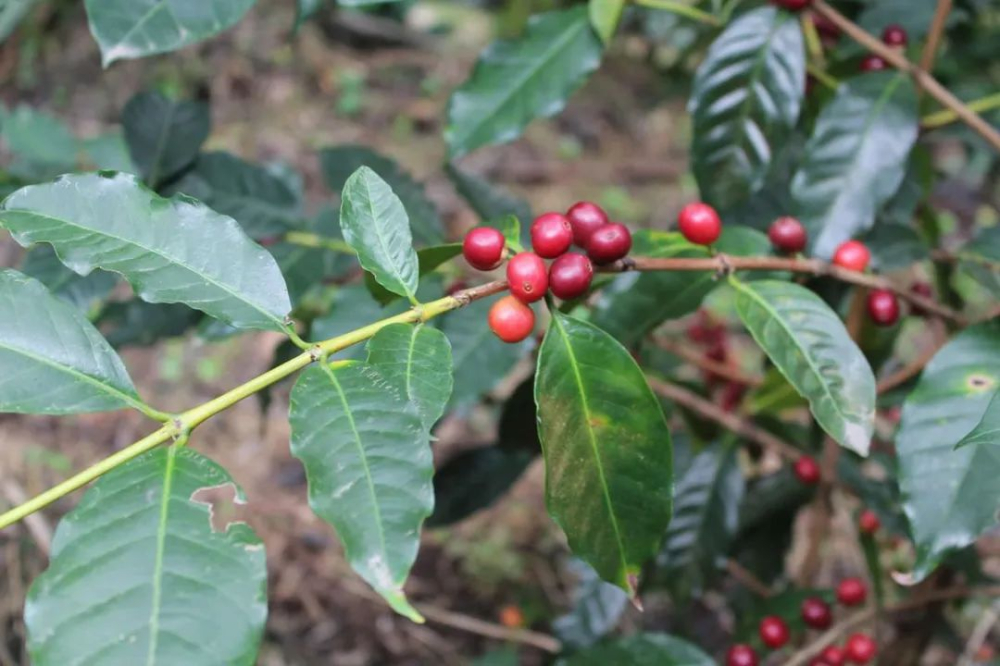
The history of coffee cultivation in Jamaica dates back to the 18th century. Over time, the Typica variety planted there has gradually adapted to Jamaica’s unique microclimates and volcanic soil environments, thereby developing relatively good disease resistance. In contrast, Papua New Guinea introduced Typica seeds specifically from Jamaica in the early 1930s to promote the development of its local coffee industry. Due to the striking similarities between Papua New Guinea’s environmental conditions—including altitude, climate, and terrain—and those of Jamaica, these seeds quickly adapted and developed a flavor profile similar to that of Blue Mountain. This is also one of the reasons why Papua New Guinean coffee is referred to as "Little Blue Mountain."
Both regions are classified as island-style coffee-growing areas. Such regions usually have unique geographical barriers and microclimates, with relatively isolated growing environments that contribute to the purity and uniqueness of the coffee’s flavor. Jamaica is located in the northwest Caribbean Sea, within the Pacific Ring of Fire, and features abundant volcanic soil that is fertile and well-drained. The climate is foggy and humid, making it very suitable for the Typica variety, which prefers cooler environments. The growing area for Jamaican Blue Mountain coffee is strictly limited to four administrative districts of the Blue Mountains: St. Andrew, St. Thomas, Portland, and St. Mary, and the altitude must be between 915 and 1700 meters. Only Typica grown in these specific areas can be officially called "Jamaica Blue Mountain Coffee," while coffee produced in other areas can only be exported under the names "Jamaica High Mountain Coffee" or "Jamaica Prime Coffee."
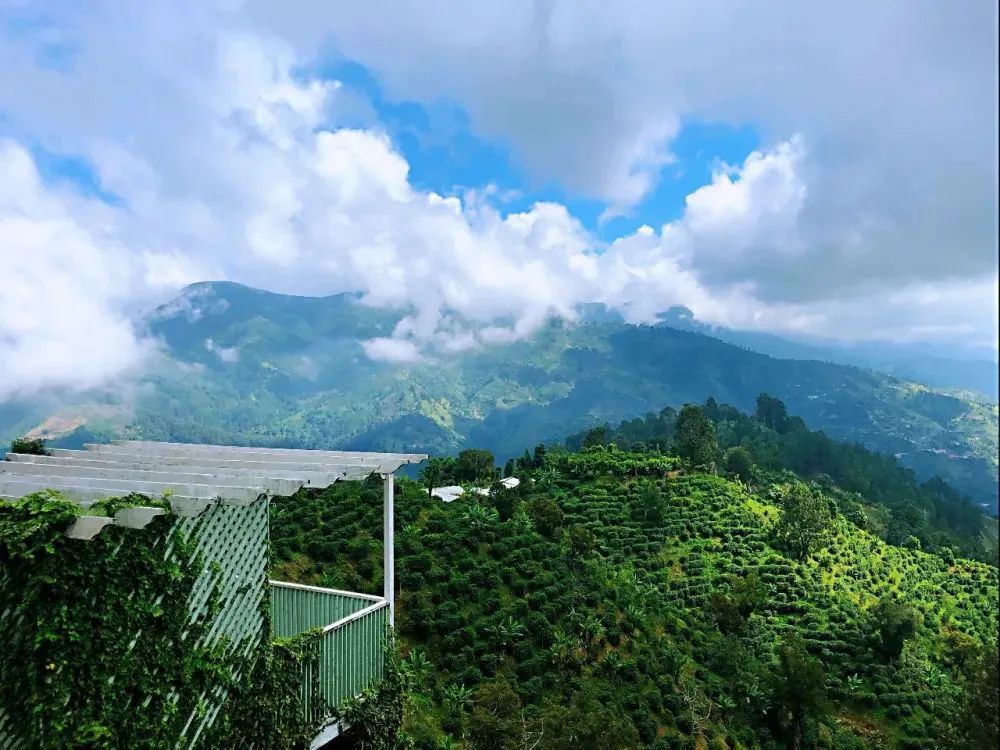
In comparison, Papua New Guinea is an island nation composed of the eastern part of New Guinea Island and over 600 surrounding islands, also situated on the Pacific Ring of Fire, with landscapes that include tropical rainforests and volcanic terrain. Coffee is mainly grown in the central highlands, at elevations ranging from 1200 to 2500 meters. Although slightly higher than the Blue Mountain region, the climate is also tropical rainforest, with generally higher temperatures year-round. Therefore, compared to Blue Mountain, Papua New Guinean coffee tends to have slightly brighter acidity and slight differences in body.
In terms of grading systems, Jamaica enforces extremely strict controls over Blue Mountain coffee. All exported Blue Mountain coffee must undergo quality inspection by the Jamaica Agricultural Commodities Regulatory Authority (JACRA) and is graded based on factors such as green bean size, defect rate, and cupping results. It is divided into four grades: No.1, No.2, No.3, and the very rare hand-selected Peaberry (PB). Among them, only the No.1 grade, which meets the highest standards, can be considered top-tier Blue Mountain coffee. This rigorous grading system ensures that all Blue Mountain coffee circulating in the market maintains a consistently high standard.
In contrast, Papua New Guinea’s grading system is more flexible, mainly based on the number of defects per kilogram of green beans to determine the grade—common grades include AA, A, B, etc. Some large estates may also incorporate additional assessments such as bean size, appearance integrity, and cupping flavor for a comprehensive evaluation. Currently, a commonly seen example of high-quality Papua New Guinean specialty coffee is the AA-grade washed beans from the Sigri Estate, which represent relatively stable quality and outstanding flavor performance. According to cupping records, this coffee often exhibits notes of caramel, cocoa, and almonds, with a slight acidity emerging at lower temperatures, and an overall round, full-bodied mouthfeel with excellent balance.
If we compare the Blue Mountain No.1 from the Clifton Estate in the St. Andrew region of Jamaica with the AA-grade washed beans from the Sigri Estate in Papua New Guinea—both processed via the washed method—they share the clean and delicate profile typical of the Typica variety. However, upon closer tasting, there are still differences in their flavor profiles. Blue Mountain No.1 typically highlights black chocolate, nuts, and caramel as its main notes, with a silky, creamy mouthfeel, moderate body, and a long-lasting sweet aftertaste, delivering an exceptionally balanced and layered experience. On the other hand, Papua New Guinean coffee often carries a touch of light acidity, making the overall flavor more vibrant while still retaining the elegant character of the Typica variety—suitable for those who prefer a slightly more lively cup.
In summary, both Jamaican Blue Mountain coffee and Papua New Guinea coffee inherit the classic genetic traits of the Typica variety, but differences in regional microclimates, altitude details, and grading systems result in subtle distinctions in aroma, sweetness-acidity balance, and mouthfeel structure. Understanding these details not only helps you choose the coffee flavor you prefer more accurately, but also allows you to adjust brewing parameters such as water temperature, grind size, and extraction time according to the characteristics of the beans, thereby fully unlocking each bean’s potential.
The above content is compiled by CoffeeHunters, a coffee news website.


