







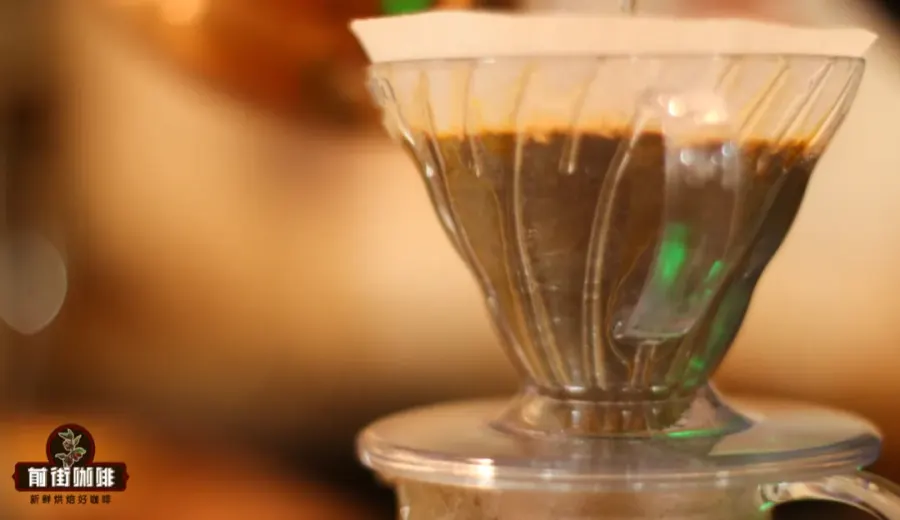
Introduction:When selecting pour over coffee filters, material and bleaching treatment are key factors that influence extraction efficiency and coffee flavor. This article delves into the filtration characteristics of common filter materials such as wood pulp and non-woven fabric, compares the pros and cons of bleached and unbleached filters, and explores how these differences can alter the taste profile of your coffee—helping you make more precise choices based on your brewing needs.
In the world of pour over coffee, choosing the right filter is far from being just about size or whether it’s bleached. In fact, the material of the filter—including commonly used wood pulp and non-woven fabric, as well as less common materials like hemp or plastic—directly affects the coffee’s filtration performance, thereby altering extraction rates and the final flavor profile. Understanding these material properties in depth can help you better control the details of each cup of coffee.
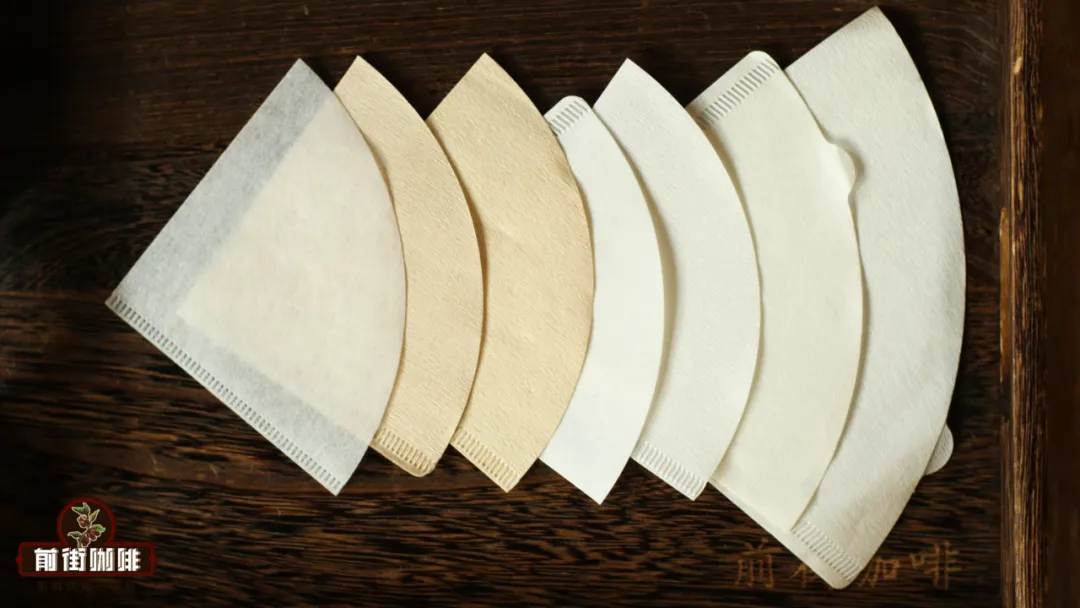
First, the most widely used filter material on the market is undoubtedly wood pulp. Many coffee enthusiasts often mistakenly believe that the difference between filters lies only in size and whether they are bleached. However, besides wood pulp filters, there are also non-woven fabric, hemp, and even plastic filters. These different filter materials exhibit significant differences in filtration performance, which in turn affects the clarity and taste of the coffee.
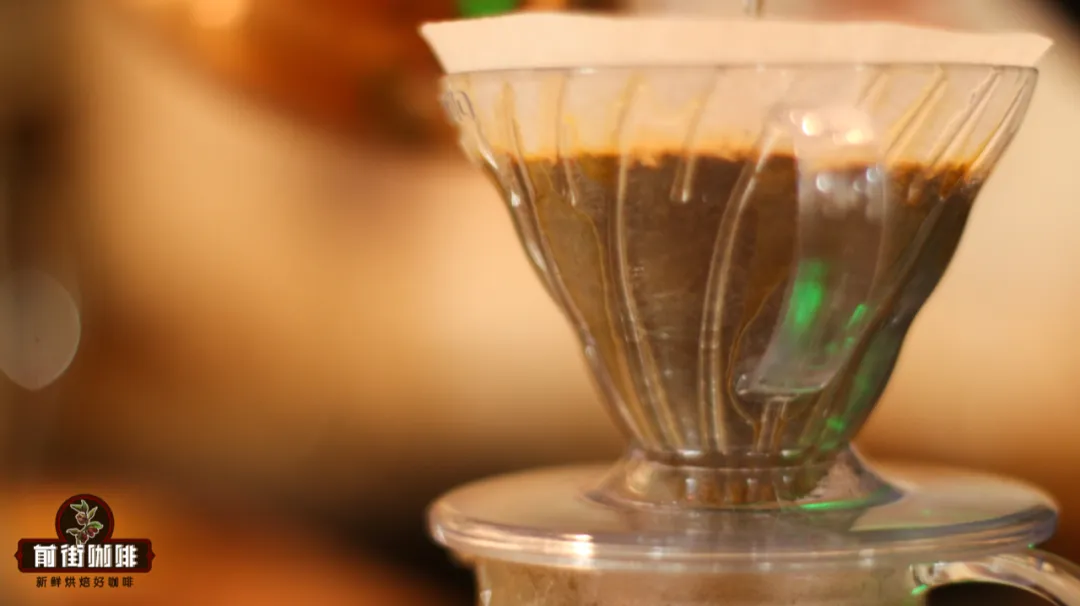
Take wood pulp filters, for example. Their filtration ability is quite outstanding, effectively trapping the majority of coffee fines and suspended particles, ensuring the brewed coffee is clear and bright. In contrast, non-woven fabric filters (sometimes also called filter cloths) have a more relaxed filtration performance. In addition to the coffee liquid, some oils and very fine particles can also pass through the filter, resulting in a richer mouthfeel, but possibly accompanied by a more noticeable sediment sensation.
It’s worth noting,wood pulp filters usually provide a cleaner extraction result, making them suitable for brewers who pursue a bright acidity and distinct flavor layers. Non-woven fabric filters, on the other hand, retain more oils and fine particles, giving the coffee a rounder, fuller mouthfeel—ideal for those who enjoy a more intense flavor.
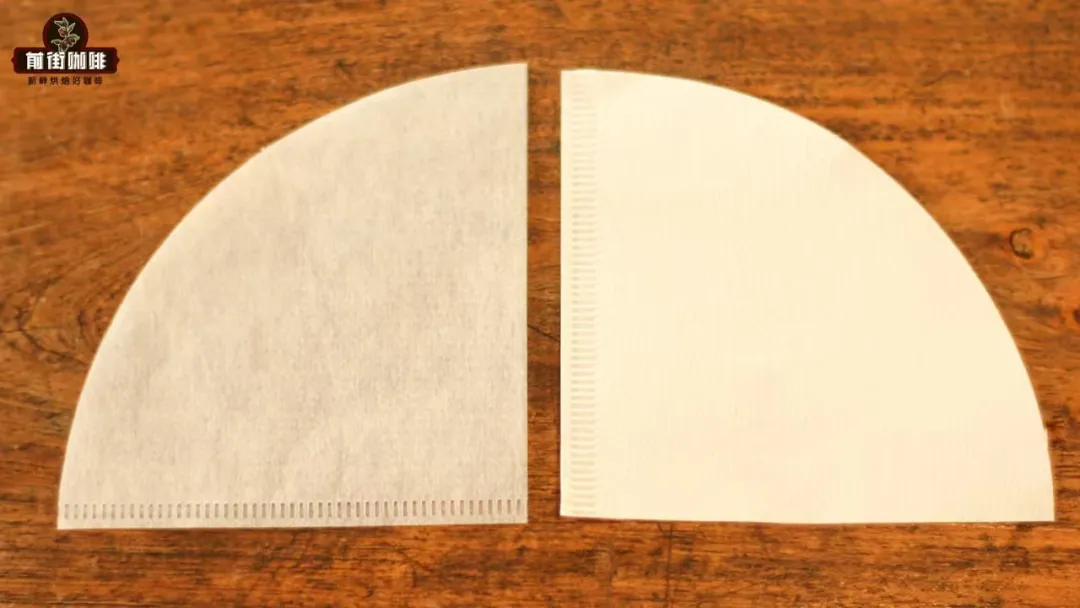
Additionally, the bleaching process of the filter is another important factor that affects flavor. Bleached filters are typically treated chemically or with oxygen to reduce paper odors that could interfere with the coffee's flavor. Unbleached, raw wood pulp filters may carry a slight pulp-like smell, which some sensitive users might detect during brewing.
Overall, the choice of filter material and bleaching treatment will vary depending on your preferred brewing style and flavor preferences.Understanding these differences in filter characteristicswill help you make more personalized decisions during the pour over process, further enhancing the quality and enjoyment of each cup of coffee.
The above content is compiled by CoffeeHunters, a coffee news website.


