







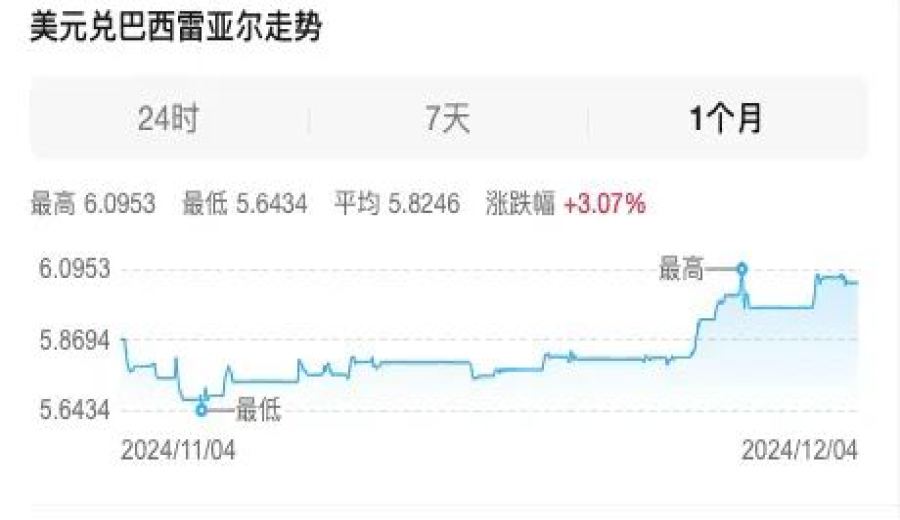
Introduction:Brazilian coffee exports are facing a credit risk of $181 million, with two major traders undergoing debt restructuring due to exchange rate volatility, soaring futures prices, and drought-induced production declines. This article delves into how the depreciation of the Brazilian real is exacerbating exporters' pressures, examines the real-world impact of 500,000 bags of delayed coffee deliveries, and interprets the supply chain concerns behind the 26-year-high domestic spot price.
The Brazilian coffee export industry is encountering unprecedented challenges. With the country’s currency, the real, continuously depreciating, coupled with Arabica coffee futures prices climbing to historic highs, unresolved shipping bottlenecks, and a sharp decline in production caused by drought, the entire export chain is under immense pressure. This crisis has led to severe cash flow problems for two major traders, triggering a ripple effect.
Atlantica and Cafebras, two trading companies under the Montesanto Tavares Group, have officially filed for debt restructuring due to difficulties in capital turnover. This incident involves the delayed delivery of approximately 500,000 bags of coffee, equivalent to 30,000 tonnes of beans, and exposes Brazil’s banking sector to a credit risk of up to 1.1 billion reais (about $118 million). These funds primarily come from banks’ advance payment (ACC) financing schemes tied to future coffee exports.
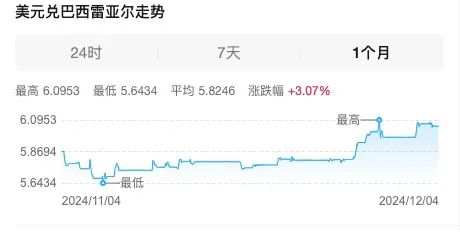
Experts point out that the depreciation of the real is one of the key factors behind this crisis. While currency depreciation theoretically enhances the international price competitiveness of Brazilian coffee, the reality is far more complex. Exchange rate fluctuations not only make export revenues unpredictable but also directly increase the financial burden on growers and exporters. Notably, a weaker local currency has also driven up the prices of imported fertilizers and pesticides—essential production inputs—further eroding profit margins.
For exporters, managing exchange rate risks has become particularly crucial. Many companies have had to resort to financial instruments such as coffee futures for hedging. While this approach can cushion the impact of exchange rate volatility to some extent, it has also led to further increases in futures market prices and added to daily operational costs. Current market conditions show that this dual pressure has made it difficult for many small and medium-sized exporters to maintain normal operations.
The latest data shows that Brazilian domestic coffee spot prices have climbed to their highest level in 26 years. Specifically, the price of Arabica coffee in the first half of November was about 1,500 reais per bag, but surged to 1,805.68 reais per bag in the second half of the month. Meanwhile, Robusta coffee also rose from a relatively stable price range to 1,570.79 reais per bag during the same period. Such price volatility has had a profound impact on the entire supply chain.

Market analysts express concern that if high prices persist, they may trigger more financial crises among exporters. This would not only affect the global supply of Brazilian coffee but could also further drive up international market prices. In addition, the dual instability of exchange rates and prices may lead international buyers to turn to other regions with more stable supplies, such as Vietnam or Colombia, thereby impacting Brazil’s international coffee market share.
Notably, both Atlantica and Cafebras belong to the Montesanto Tavares Group, which holds a significant position in the Brazilian coffee trading market. The group’s three main subsidiaries collectively account for 8% of Brazil’s total coffee sales. In court filings, these two companies stated that the recent sharp rise in coffee prices has presented new challenges, especially as the price surge triggered margin calls on hedging transactions, further aggravating cash flow strains.
Currently, these two traders are maintaining basic operations but have requested court-supervised debt restructuring negotiations with creditors. Industry insiders are closely monitoring developments, fearing that a failure in negotiations could lead to bankruptcy proceedings, thereby affecting the timely delivery of more coffee orders. This crisis highlights the fragility of the global coffee supply chain and provides important risk management lessons for industry participants.
The above content is compiled by CoffeeHunters, a coffee news website.


