







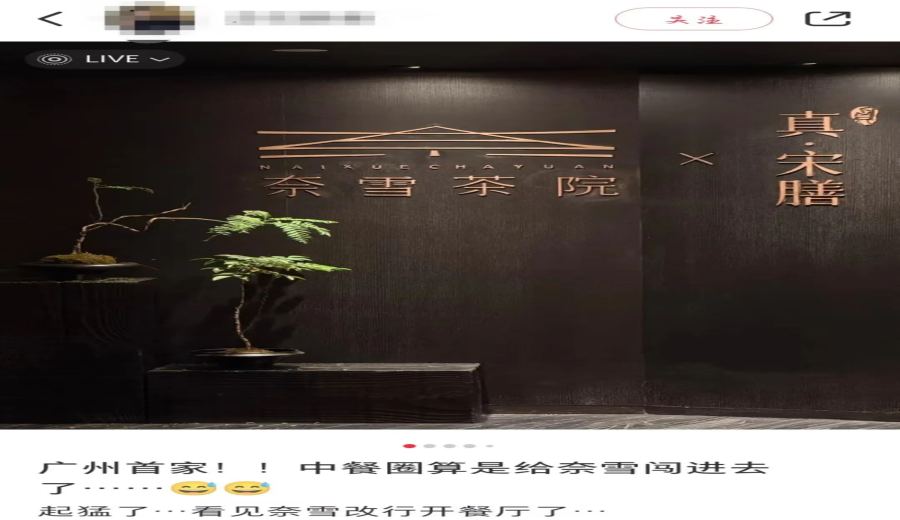
Introduction:Nayuki Tea House launched a Cantonese fusion cuisine collaboration with Zhen·Songshan at its first Guangzhou store, combining tea beverages with Chinese dishes, sparking widespread consumer discussion. This article delves into the background of this cross-industry attempt, the menu content, market feedback, as well as consumer perspectives on value for money and cuisine positioning, helping readers understand how an emerging tea beverage brand is challenging the traditional dining market.
Recently, Nayuki Tea House in Guangzhou has drawn attention for introducing a Chinese cuisine menu. This menu not only features refined dim sum but also includes a variety of regional specialties, surprising many consumers. As a Nayuki brand focused on delivering a traditional Chinese tea culture experience, Nayuki Tea House opened its first store in Guangzhou last month, marking its sixth location outside of Shenzhen.
What netizens are calling the "Nayuki Chinese Restaurant" is actually a Cantonese fusion cuisine space jointly created by the store and Zhen·Songshan. Customers can enjoy both tea beverages and creatively fused dishes. However, such a cross-industry business model has sparked considerable discussion due to the menu pricing and cuisine positioning.
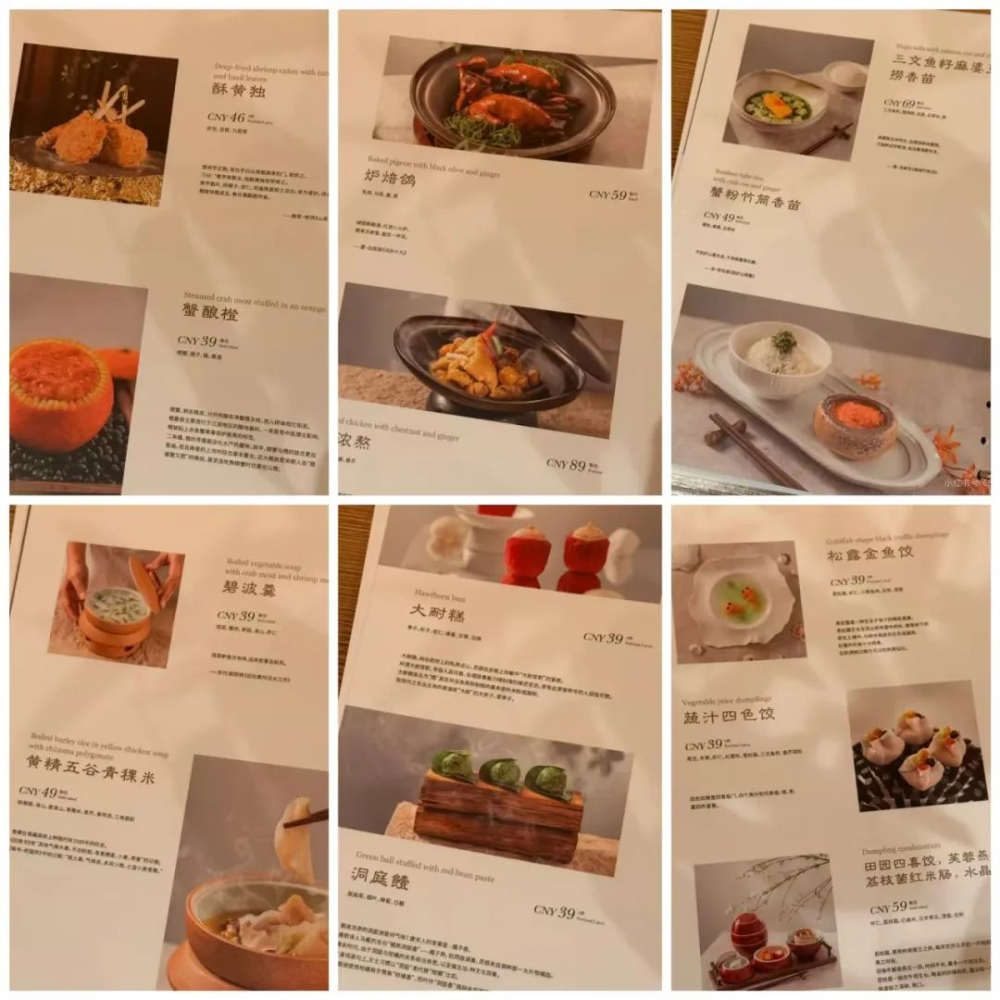
Some consumers feel that the value for money of certain dishes is debatable—for instance, two goldfish dumplings priced at 39 yuan have left people saying “I was completely fooled.” Additionally, some netizens have questioned whether such pricing strategies and dish content are more suited to markets like Shenzhen or Shanghai, rather than Guangzhou, which is known for its practical food culture.
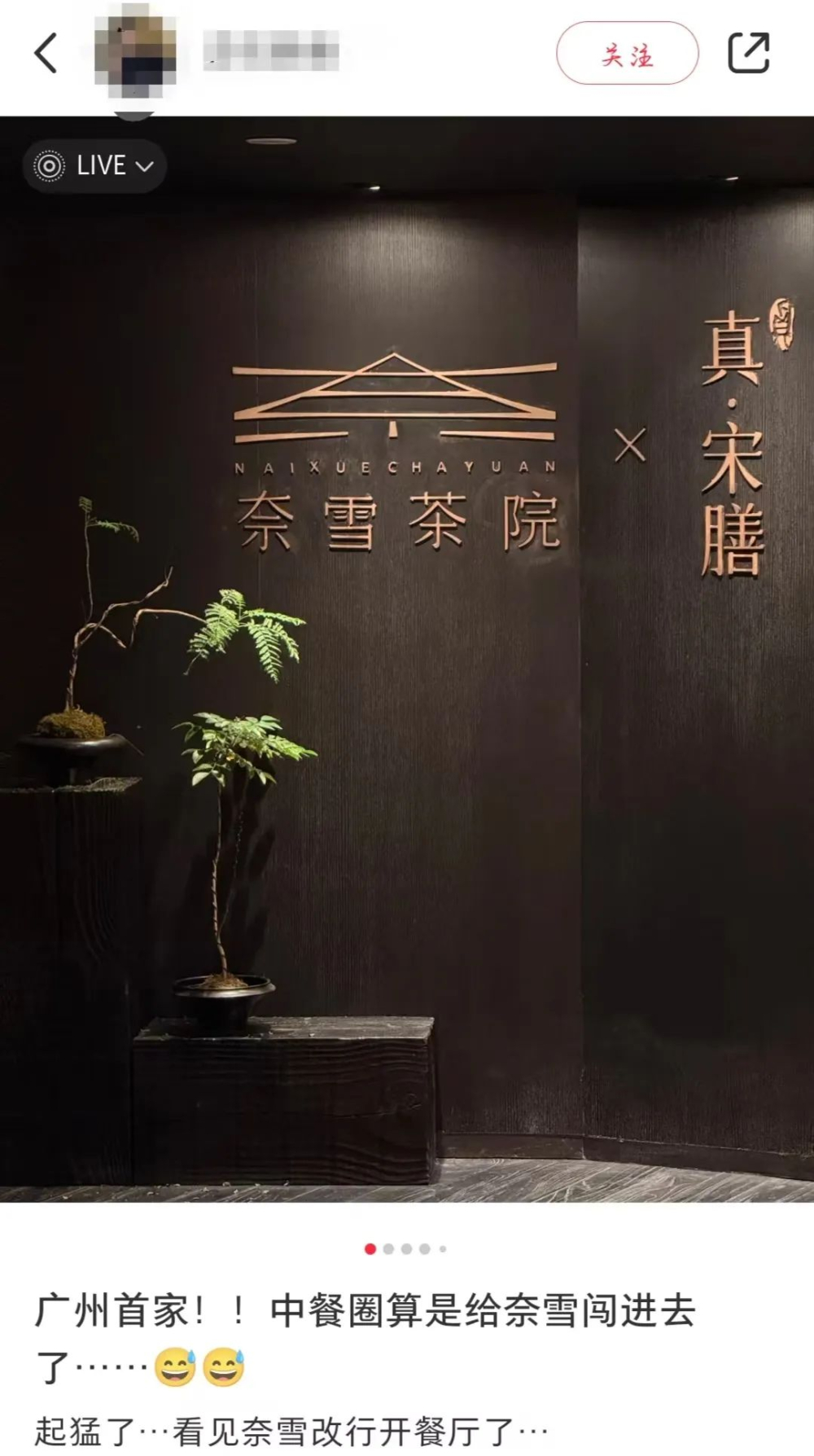
From the public's perspective, Nayuki has long been primarily associated with milk tea and baked goods. Therefore, when customers walk into the store and find it offering Chinese tea and meals, most are surprised. A local resident mentioned that they originally thought it was just a place to drink tea, not expecting to also have access to full meals.
It is understood that Nayuki Tea House’s first Guangzhou store emphasizes a traditional Chinese tea experience. In addition to freshly brewed pure teas, milk teas, and specialty tea beverages, it also sells premium teas and tea sets. The much-discussed "Chinese cuisine" part is actually a Cantonese fusion cuisine collaboration between Nayuki and Zhen·Songshan, aiming to allow customers to enjoy creative Chinese dishes while sipping tea.
However, this innovative attempt has not been universally embraced by consumers. Some netizens pointed out that certain dishes in the officially promoted "Cantonese fusion cuisine," such as crab-stuffed oranges, are actually closer to Jiangsu-Zhejiang cuisine, showing a certain gap from the Cantonese flavors familiar to locals. Moreover, some consumers believe that compared to the rich variety of dim sum options offered by traditional Guangzhou tea houses, Nayuki’s dishes fall slightly short in both value for money and authenticity.
Notably, there have been frequent reports on social platforms recently about Nayuki store closures. While some closures are due to lease expirations, they have still caused many fans to worry about the brand’s future direction. Against this backdrop, it remains to be seen whether Nayuki’s move into Chinese cuisine through cross-industry operations can successfully gain market recognition.
Observers note that although Guangzhou has a deep-rooted dim sum culture, Nayuki, as a brand that started with tea beverages, despite having a certain level of brand recognition, still faces significant challenges in product distinctiveness and localized competitiveness. Some consumers suggest that Nayuki might be better off focusing on innovating within tea beverages—launching distinctive drinks with recognizable traits—rather than venturing abruptly into the unfamiliar realm of foodservice.
In summary, Nayuki Tea House’s venture into Cantonese fusion cuisine in Guangzhou is a bold cross-industry attempt, but it also reveals challenges in brand positioning, pricing, and localization strategy. Whether it can find a balance point in the highly competitive tea and dining markets in the future will be a key area of observation.
The above content is compiled by CoffeeHunters, a coffee news website.


