







Introduction:Want to understand the essential differences between Brazilian and Colombian coffee? This article delves into how the terrain, altitude, and processing techniques of these two major South American regions shape their flavor profiles, and takes you on a tasting journey through the unique expression of Honey Process Geisha from Hope Estate — from classic blend bases to premium single origins, grasp the key points of bean selection all in one go.
On the South American coffee map, Brazil and Colombia shine like twin stars — although neighboring, they produce distinctly different beans due to variations in natural conditions and industry structure. The former is known for its large-scale, mechanized plantation farming on plains, yielding coffee with low acidity and rich notes of nuts and chocolate, often forming the backbone of many blends; the latter benefits from the high-altitude microclimates of the Andes Mountains, coupled with the nourishment of volcanic soils, producing layered specialty coffees, especially characterized by small-scale estate cultivation.
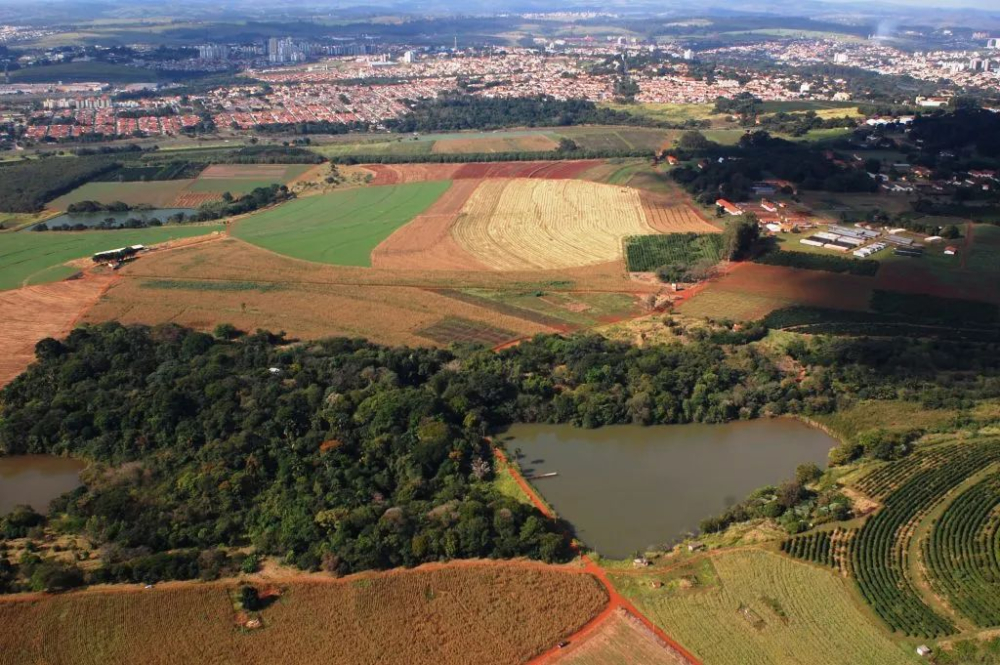
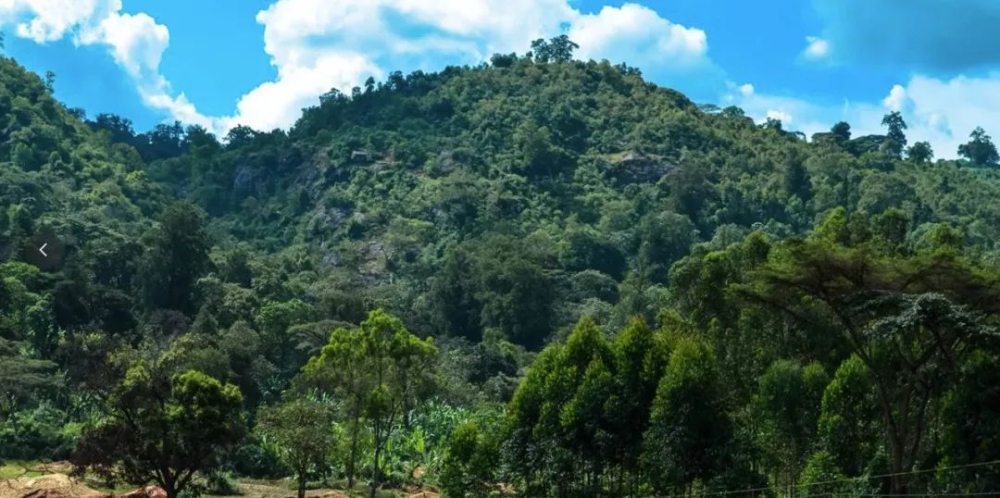 These two countries rank among the top in global coffee production: Brazil firmly holds the number one spot, while Colombia ranks third. But when it comes to the character of their coffee, the differences run deeper than one might imagine. Since its introduction in 1727, Brazilian coffee has quickly taken root across the vast central and southern plateaus.It is mainly grown at an altitude of around 1000 meters.The flat terrain makes mechanical harvesting the norm, which greatly improves efficiency but also limits the proportion of specialty-grade beans.
However, Brazil still has several notable specialty coffee regions worth paying attention to, such as Alta Mogiana, Sul de Minas, and Cerrado. In these areas, the altitude rises to1000 to 1400 meters,and the hilly terrain allows for hand-picking to be preserved. Among them, the Yellow Bourbon produced by Fazenda Rainha in Alta Mogiana, processed with honey or semi-washed methods, exhibits bright cane sugar sweetness and peanut-nut aromas, with a clean and smooth mouthfeel — making it one of the representative works of Brazilian specialty coffee.
 Turning to Colombia, its geography provides an even more favorable stage for coffee. The country is mountainous, especially on the western side of the Andes,with plantations located at altitudes ranging from 800 to 2300 meters.The significant elevation differences lead to notable diurnal temperature variations, slowing the ripening of coffee cherries and encouraging more thorough accumulation of sugars and flavor compounds.Volcanic soils are rich in minerals,and the equatorial location brings double dry seasons and double rainy seasons, enabling some regions to achieve two harvests per year, supporting both high output and a high proportion of specialty coffee — currently, 40% of Colombia’s exported coffee is considered specialty grade.
Colombia’s coffee regions are also uniquely divided. Initially, the focus was on the “coffee triangle axis” in the central region, consisting of Quindío, Cauca Valley, and Cundinamarca, which emphasized yield. However, with the rise of the specialty coffee trend, the emerging southern triangle — including Nariño, Cauca, and Huila — has gradually gained recognition, famed for its unique microclimates and small estate cultivation.
 Recently, a Honey Process Geisha from Colombia’s Hope Estate has emerged on the market, showcasing the ultimate charm of specialty coffee. This bean, when brewed, releases subtle fermentation aromas and rose-like notes. The first sip bursts with flavors of grapes and strawberries, followed by a sweet and mellow aftertaste reminiscent of dried fruit, with a smooth and velvety mouthfeel — forming a striking contrast to the low-acidity, nutty profile of Brazilian coffee.
In summary, Brazilian coffee, due to its flat terrain, lower altitude, and mechanized production, exhibits noticeably weaker acidity, with flavors focused on body and sweetness, making it ideal as a base for blends. Colombia, on the other hand, leverages its high-altitude microclimates, diverse processing methods, and small estate cultivation to showcase flexible performance in both single origins and blends. Whether you’re a beginner pour over enthusiast or a roaster searching for specific flavor profiles, understanding the differences between these two major regions can help you select your desired beans more precisely.
The above content is compiled by CoffeeHunters, a coffee news website.


