







Introduction:Once coffee beans exceed their optimal freshness window, their flavors can easily deteriorate, and extraction often results in unpleasant bitter or astringent notes. But don’t throw them away just yet! By fine-tuning your grind size and pour over pouring technique, you can still effectively improve extraction quality and reduce the risk of over-extraction. This article delves into the true meaning of the “best-by” period and offers a practical pour over method — including grind setting, bloom time, and pulse pouring techniques — tailored for coffee beans within two months of roast date. It's designed to help you revive those “underperforming” beans sitting at home.
The optimal freshness period of coffee beans refers to the stage when their flavor performance peaks. During this time, the beans contain the richest aromatic compounds, and the carbon dioxide level remains within an ideal range, both of which help produce a nuanced and layered cup during extraction. However, once this golden period is past, volatile aromatic molecules begin to dissipate, resulting in a flat-tasting brew that may even carry undesirable bitter or off-flavors.
Many coffee enthusiasts face a similar issue: due to over-purchasing, flavor mismatches, or simply forgetting to use them, some coffee beans are kept well beyond the recommended freshness window after opening. If you continue using the original extraction parameters in this case, the beans' reduced tolerance to extraction can easily lead to over-extraction, releasing excessive unwanted flavors.
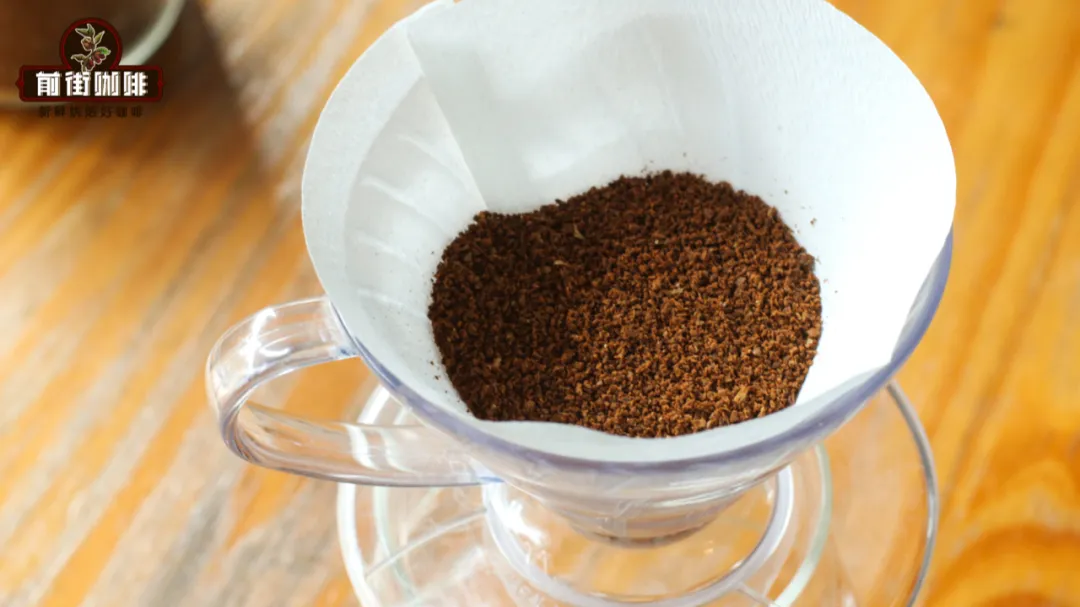
Fortunately, even if coffee beans have passed their prime, you can still improve extraction results by making moderate adjustments to your grind size and pouring technique. It’s recommended to coarsen the grind by about half a step — for instance, if you’re using an Ek43 grinder set at 10, adjust it to 10.5. This not only reduces the contact area between coffee grounds and water, lowering the chance of over-extraction, but also minimizes the production of fine particles, preventing filter clogging.
This adjustment plan is especially suitable for coffee beans within two months of roast date that still exhibit a noticeable decline in flavor. Below is a practical pour over parameter guide, complete with specific bloom and pulse pouring steps to help stabilize extraction performance.
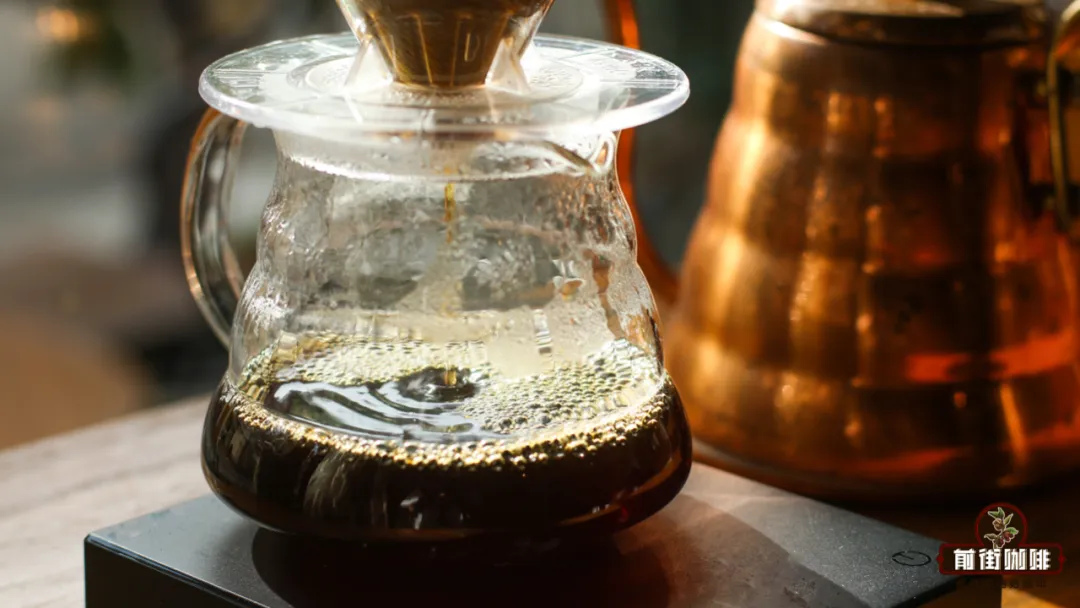
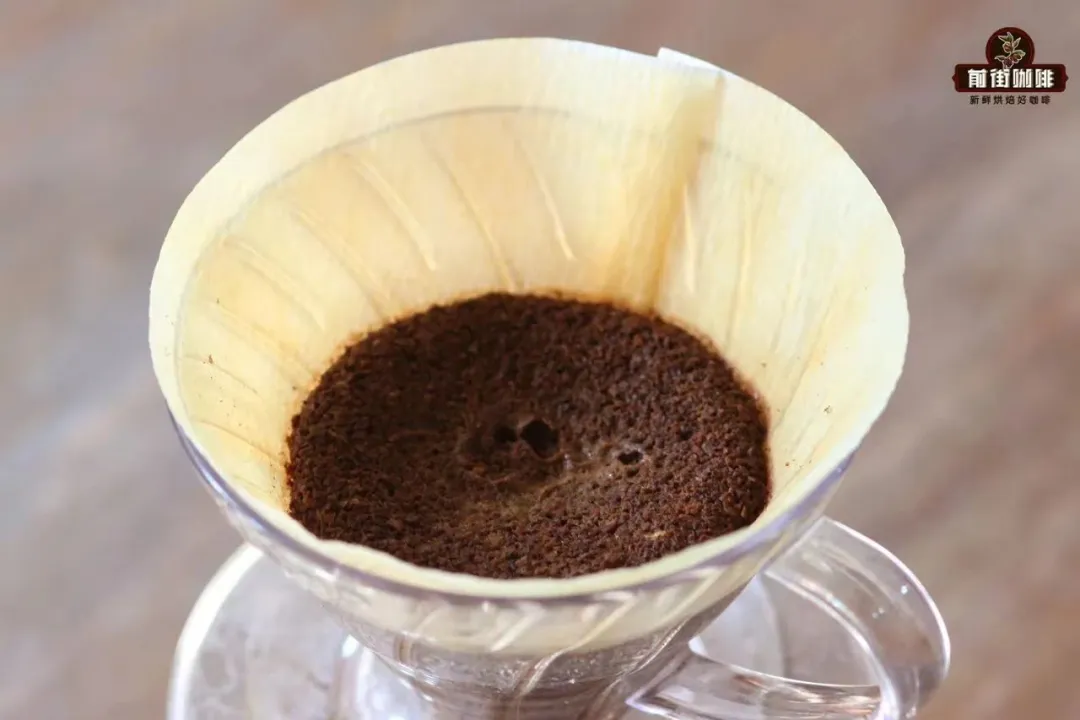
First, it is recommended to use 15 grams of coffee grounds with a 1:15 coffee-to-water ratio, and control the water temperature around 92°C. The first step is the bloom phase, using approximately 25 milliliters of hot water with a bloom time of about 20 seconds. Since the beans are past their optimal freshness, the internal carbon dioxide has significantly decreased, so there’s no need for excessive water volume or time during blooming — just ensure the coffee grounds are evenly wetted.
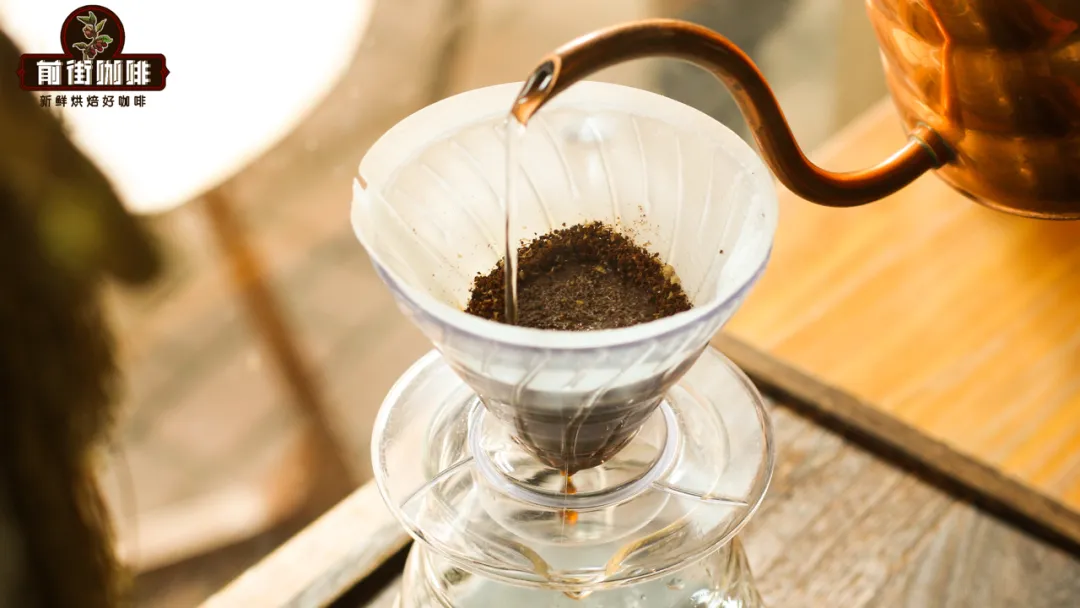
Next, move on to the main extraction phase. For the first pour, start from the center of the filter cone and pour in a larger stream, spiraling outward. Aim for a total pour volume of 125 milliliters. This step helps lift the coffee bed — not only allowing fine particles to adhere to the inner wall of the filter and reducing the chance of sediment blockage, but also creating a smoother channel for subsequent pours.
When the water level is about to drop to the surface of the coffee bed, switch to a smaller stream and pour slowly in a small circular motion centered on the filter. Add the remaining 75 milliliters of water in this way. During this process, you can reduce stirring intensity slightly to avoid disrupting the coffee bed structure too much. Once all the hot water has fully drained through, you can remove the filter and complete the extraction.

While this adjusted pour over method cannot fully restore the rich flavors the beans had during their peak period, it can effectively lower the risk of over-extraction and minimize the release of unpleasant off-flavors and bitterness. For beans that have been stored for a long time or those that taste subpar right after opening, give this method a try — you might just rediscover their hidden potential.
The above content is compiled by CoffeeHunters, a coffee news website.


