








Introduction:Does your hot latte lose its aroma and develop separated milk foam after cooling, making it far less enjoyable? Many people choose to reheat it before drinking, but using the wrong method can make the coffee even harder to drink. This article delves into the flavor changes in a latte as it cools and compares different reheating methods through practical testing to help you find the right approach that restores drinkability without compromising the original flavor. It also includes useful operational tips and precautions.
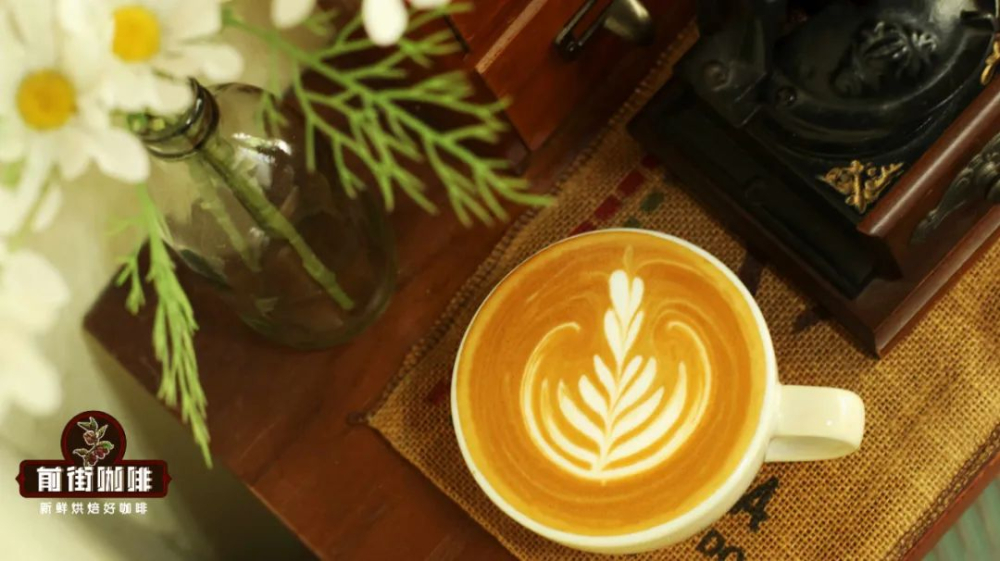
A freshly made hot latte not only emits a rich aroma but also offers a perfect balance between creamy foam and coffee upon tasting. However, once the temperature drops, the aroma gradually dissipates, the milk foam begins to deflate and separate, and the texture becomes rough, even oily. Many people consider reheating their cooled latte to enjoy it again. But the question is: Can a cooled latte really be reheated to taste good? What’s the ideal temperature for reheating? And which heating tool offers both convenience and preserves flavor? This article will answer these questions one by one and share practical insights from testing.
When a hot latte is freshly prepared, its temperature typically stays around 60°C. This temperature allows the full release of aromas from both the coffee and the milk, and lets the taste buds experience the optimal sweetness and rich flavors. The crema and foam remain smooth and delicate under the support of heat, with a balanced acidity, sweetness, and bitterness in the coffee. However, as the temperature decreases, aroma volatilization weakens—especially when the temperature falls below body temperature—the perception of sweetness on the palate declines, while bitterness and astringency become more pronounced.
Practical observations show that when a hot latte cools from approximately 61°C to 38°C, the originally clear notes of vanilla, creamy melon seeds, and chocolate begin to blur, the aroma significantly weakens, bitterness becomes more prominent, and the texture feels slightly sharp. As it cools further to 29°C, the aroma almost disappears, leaving behind an overly bitter and off-flavored aftertaste that is unpleasant, especially during winter, when it’s even harder to feel inclined to drink it again.
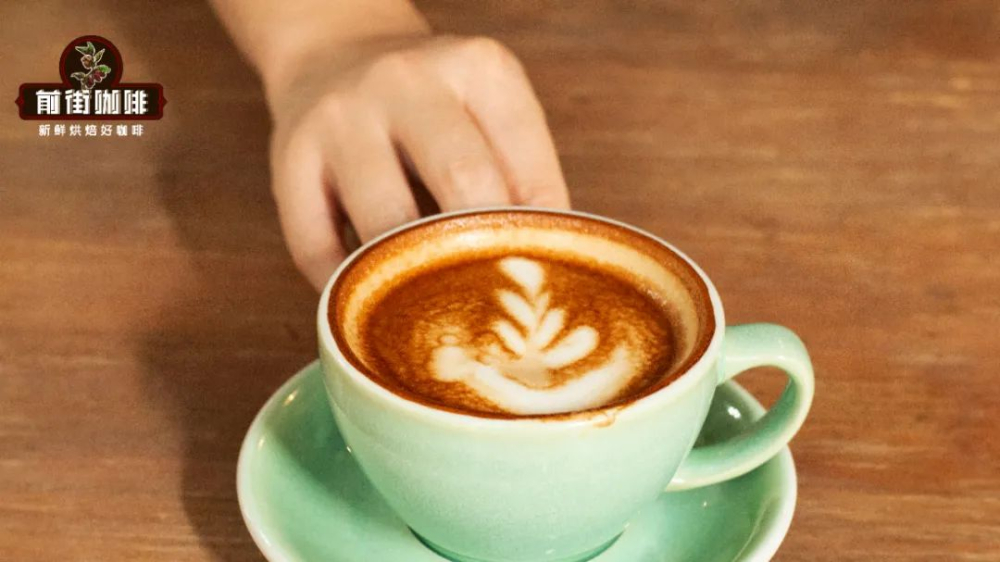
So, is it possible to reheat a cooled latte? The answer is yes, but it’s hard to fully restore the original flavor. In our tests, we reheated the same cooled latte to 50°C using two common methods—one with a steam wand from an espresso machine, and the other by directly heating it on an electric stove. The results showed that neither method could restore the original aromatic layers, and the taste was relatively thin. Steam wand heating, due to the influence of high-temperature steam, made the liquid feel more watery, with no obvious bitterness but a slight astringency upon swallowing. Electric stove heating, on the other hand, made the coffee’s bitterness more noticeable, with a dry, walnut-skin-like astringency in the aftertaste.
It is clear that no matter which reheating method is used, the exceptional flavor of freshly brewed coffee cannot be fully restored. However, moderate reheating can still make a cooled latte more palatable and avoid waste, especially when you don’t want to drink cold or suboptimally tempered coffee. Reheating remains a practical option.
In addition to steam wands and electric stoves, many people in offices or at home more commonly use a microwave to quickly reheat their latte. While this method is convenient, special attention must be paid to even heating and temperature control. It’s recommended to pour the coffee into a container with enough space (avoid filling it too full), stir it well before heating, and then reheat it in 30-second intervals, checking the temperature each time to prevent overheating and sudden boiling or splattering. Generally, it’s advised to heat the latte to around 50°C. This temperature is not too hot, allows the aroma to revive slightly, and avoids further flavor degradation from excessive heat.
In summary, although the flavor of a hot latte declines after cooling, appropriate reheating methods can still improve the drinking experience. Whether you choose steam, an electric stove, or a microwave, the key is to control the final temperature—aiming for 45–50°C. This range can restore some drinkability without introducing heavy bitterness or off-flavors. To enjoy the best taste, however, it’s still recommended to drink it while it’s hot and savor the coffee’s most original charm.
The above content is compiled by CoffeeHunters, a coffee news website.


