







Introduction:Vietnam’s coffee industry is facing multiple challenges this year, from severe droughts to back-to-back typhoons. These have not only impacted the growth and harvest of coffee trees but also placed immense pressure on the supply chain and exports. This article delves into the actual effects of the disasters on Vietnam’s coffee output, explores the reasons behind the decline in export volume coupled with rising value, and predicts future price trends to help readers stay updated on the latest developments in the global coffee market.
Vietnam’s coffee-growing regions have recently been battered by natural disasters. The central area was hit by strong winds and heavy rains after Typhoon Trami made landfall, causing damage to dikes, house collapses, and severe destruction to farmland and transportation systems. Of greater concern is that this occurred during the initial stages of the new harvest season, compounding the delays already caused by the earlier drought.
Looking back at this year, Vietnam’s coffee industry has had a tumultuous journey. It first endured the most severe drought in nearly a decade between March and May, which coincided with the coffee trees’ flowering period. The water shortage led to yellowing and withering leaves on some plants, directly affecting fruit setting and subsequent yields. Then, Typhoon Bebinca in September and Typhoon Trami in October struck in succession, bringing strong winds and heavy rains to the Central Highlands, the main producing region. This not only impacted the ripening and harvesting of coffee cherries but also paralyzed road and port transportation.

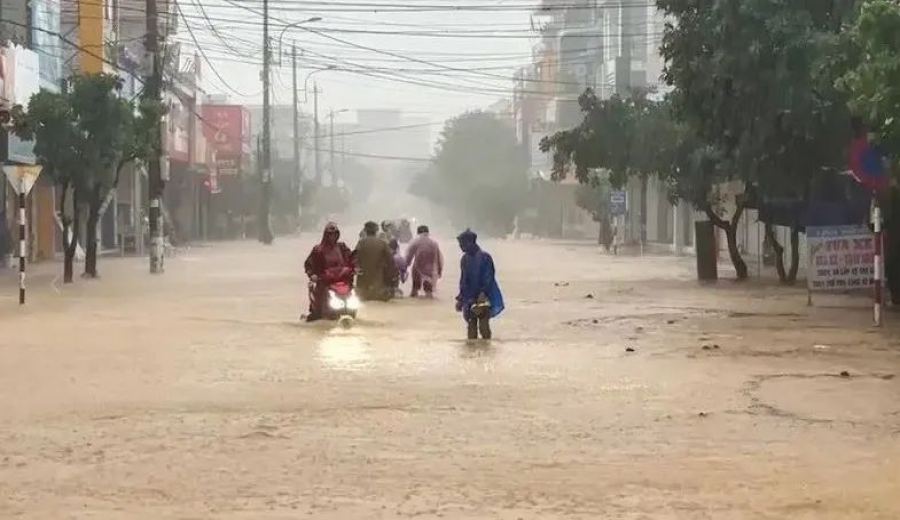
According to local Vietnamese media, when Typhoon Trami made landfall between Da Nang and Hue in central Vietnam, wind speeds reached up to 88 kilometers per hour. The strong winds toppled numerous trees, and huge waves damaged dikes, triggering widespread heavy rainfall. The disaster caused damage to over 290 houses, landslides in multiple areas, and resulted in 7 casualties or missing persons. Approximately 431 hectares of crops and fruit trees were flooded, with the economic losses being significant.
Notably, before making landfall in Vietnam, Typhoon Trami’s wind force once reached Category 12 (approximately 133 kilometers per hour). Although it weakened slightly as it approached the coast, the subsequent persistent heavy rain still had a notable impact on the central region. Statistics show that cumulative rainfall in most affected cities ranged between 150 and 250 millimeters, but some provinces experienced rainfall exceeding 400 millimeters, with localized areas even surpassing 800 millimeters.
The heavy rainfall not only flooded farmland but also caused rivers to swell dramatically. Eight regions have issued warnings for landslides and flash floods. Additionally, violent waves severely damaged coastal dikes, with multiple cities suffering from fallen trees and house damage. Coastal and storm-path-adjacent areas experienced severe flooding. Governments at all levels have now launched emergency relief and reconstruction efforts.
The impact on transportation and logistics has also been severe. Multiple major roads in central Vietnam became impassable due to flooding, and four airports suspended operations. Da Nang Port was forced to close due to wave damage to its dikes, resulting in serious delays in the export of goods, including coffee, and threatening port safety.
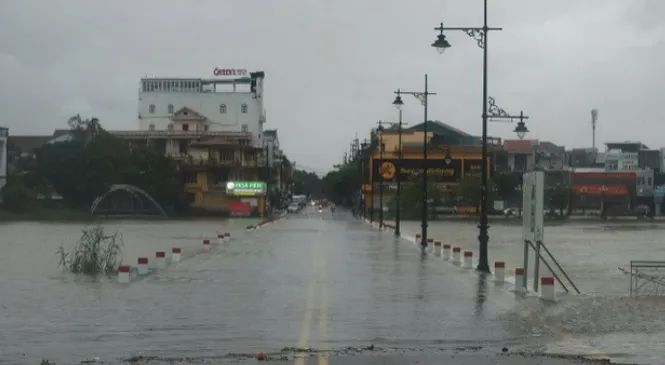
This marks the second typhoon to hit Vietnam this year. Back in September, Typhoon Bebinca brought severe devastation to central and northern Vietnam. Official statistics indicate that the typhoon caused 226 deaths, left many missing, and resulted in substantial economic losses. For the coffee industry, this year has indeed been one full of challenges.
Earlier this year, from March to May, Vietnam experienced the most severe drought in nearly a decade, which coincided with the coffee trees’ flowering period. The water shortage caused some trees’ leaves to dry out and turn yellow, directly affecting the fruit-setting rate and final yield. The Chairman of the Vietnam Coffee-Cocoa Association (VICOFA) pointed out that during the 2023/2024 crop year (October 1, 2023, to September 30, 2024), Vietnam’s coffee export volume was approximately 1.46 million metric tons, a 12.1% decline compared to the previous crop year. However, as other major global coffee-producing regions also reported reduced output, international coffee prices rose. As a result, Vietnam’s coffee export value grew against the trend by 33.1%, surpassing $5 billion for the first time to reach a historic high of $5.43 billion.
Entering September and October, Vietnam was hit by two more typhoons. Although the main coffee-producing regions were not directly devastated, the Central Highlands still experienced strong winds and heavy rains. October is typically a critical period for coffee harvesting in Vietnam, but the adverse weather delayed both harvesting and drying operations. Currently, only about 7% of farms have begun harvesting, and many ripe coffee cherries may have fallen due to the strong winds and heavy rains, further impacting yields. Moreover, road disruptions and port closures have created bottlenecks in coffee export transportation.
Market experts point out that due to consecutive supply disruptions in major coffee-exporting countries such as Vietnam and Brazil, the global coffee supply has tightened, keeping prices high. If the impact of the disasters persists, coffee prices could climb even higher in the future, posing greater challenges to global consumer markets and trade chains.
The above content is compiled by CoffeeHunters, a coffee news website.


