







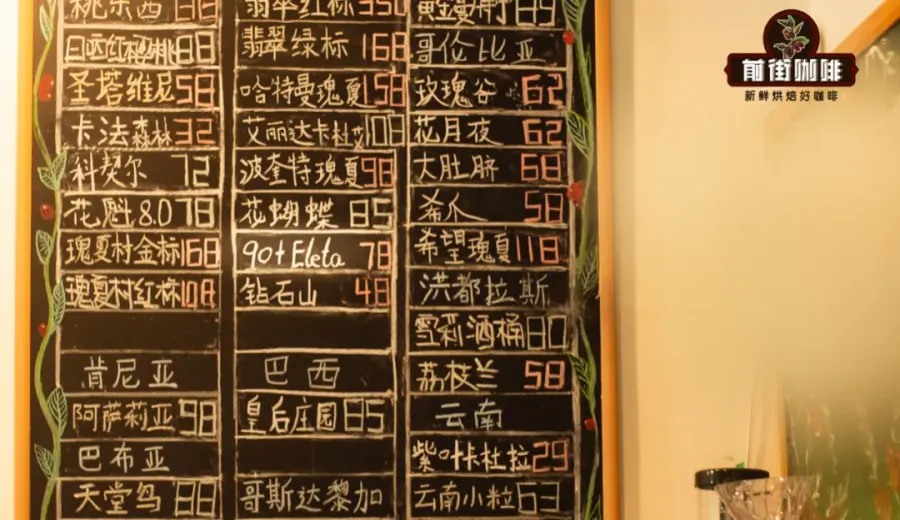
Introduction:Is it common for anaerobic natural Geisha to boast bold aromas yet struggle to strike balance? This article takes Panama’s 90+ Estate Eleta as an example, dissecting how its unique fermentation process influences both flavor and brewing parameters. We’ll walk through density characteristics, variations in drawdown speed, grind size adjustments, and water temperature tweaks—step by step explaining how to avoid overly sour or bitter pitfalls, highlight the sweet layers of longan, sweet orange, and pineapple, and analyze how 90+ Estate earned its status in the specialty coffee scene.
Eleta is an anaerobic natural Geisha from Panama’s 90+ Estate. What makes this coffee special is its distinctive fermentation method. In the specialty coffee world, 90+ Estate is one of the pioneers to introduce specialized processing techniques to the Geisha variety, with related technologies frequently featured in professional literature on coffee development—and Eleta is a concrete representation of this innovative approach.
This coffee undergoes prolonged anaerobic fermentation, allowing internal organic compounds to fully transform, resulting in an exceptionally rich and complex flavor profile. Beyond pronounced wine-like aromas, you can also taste high-sweetness fruit notes such as longan, sweet orange, and pineapple—qualities that have drawn significant attention from coffee enthusiasts.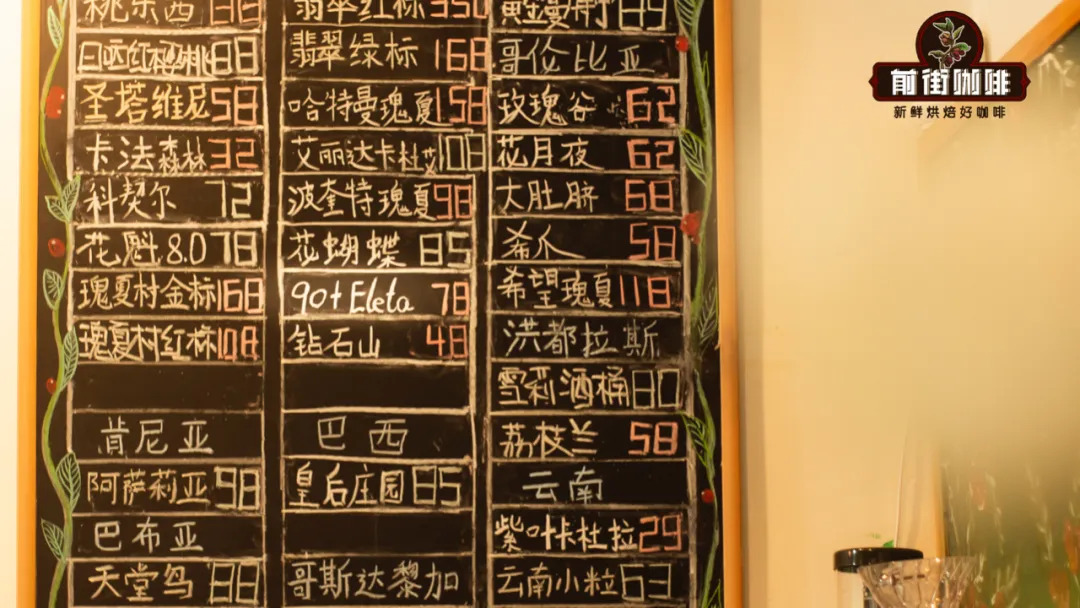
However, many home brewers often encounter a common issue: despite the captivating aroma, the cup either turns overly sour or intensely bitter upon tasting, with extreme flavor expressions that make enjoyment difficult. This is closely tied to Eleta being a heavily fermented processed bean—using conventional Geisha brewing methods directly often fails to achieve the desired balance.
A common mistake is overlooking its low density and fast drawdown characteristics. Typically, conventionally processed Geisha, due to lighter roasts and higher bean density, calls for finer grind sizes and higher water temperatures to enhance extraction; but Eleta is the opposite—its lower density and quicker drawdown mean using the same grind size actually results in a relatively coarser grind, coupled with fast water flow, which can easily lead to under-extraction and unpleasant astringent or sour notes.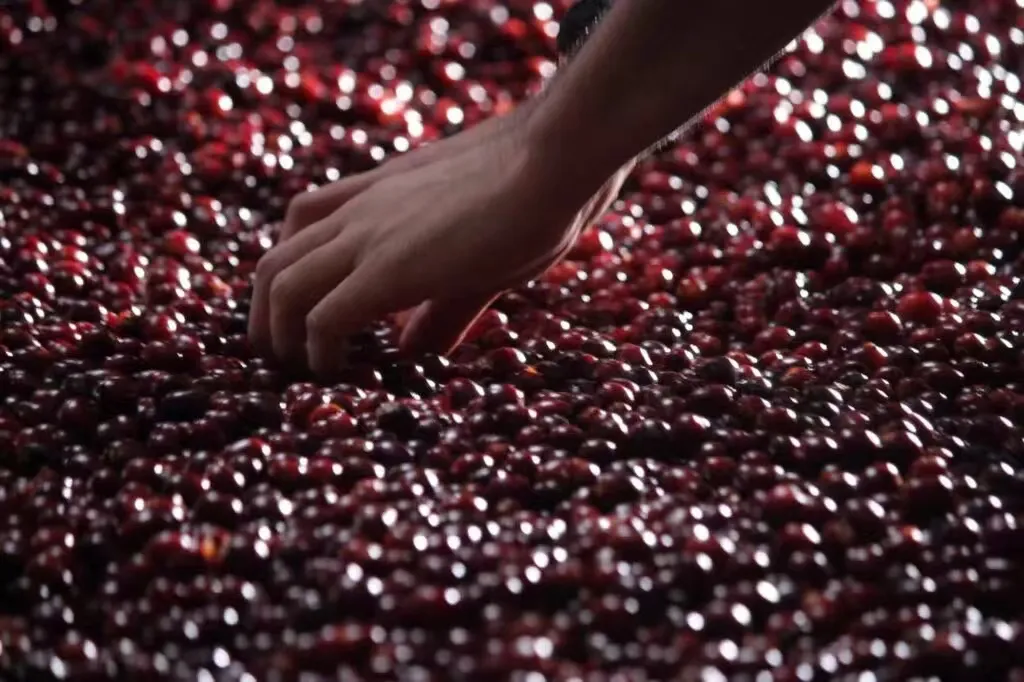
Conversely, if you adjust by grinding too fine or lowering the water temperature to avoid acidity, the extraction efficiency may become too high, making the coffee bitter with noticeable off-flavors. Therefore, tweaking the brewing strategy for heavily fermented beans like Eleta is crucial.
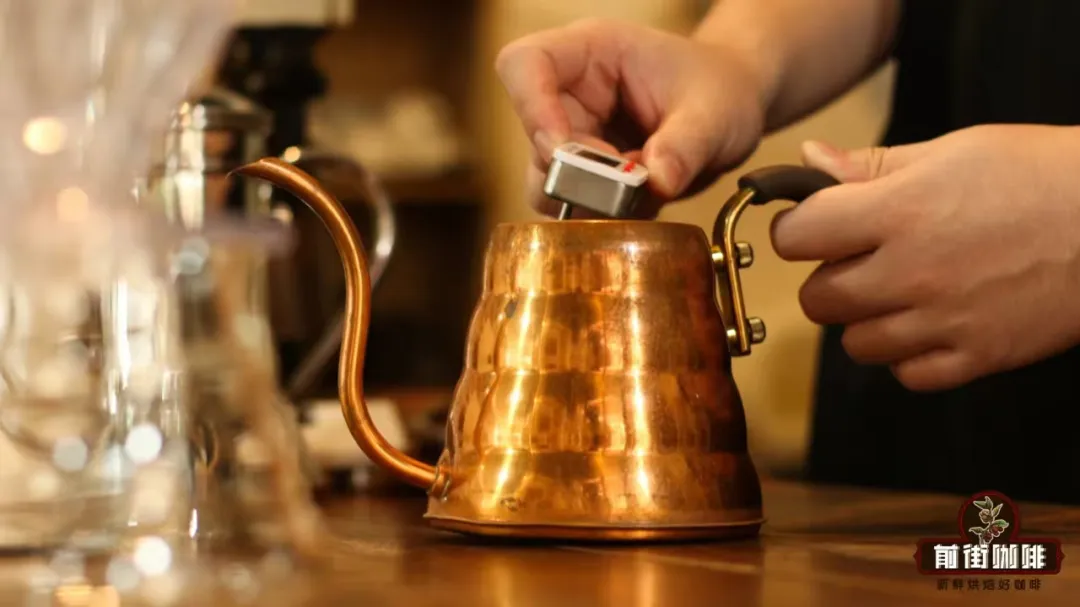
It’s recommended to start by slightly adjusting the grind size—coarsening it by about 10% to 15% to match its low density and fast drawdown. For water temperature, aim slightly below the usual Geisha range of 94°C to 96°C; try 92°C to 94°C, which helps stabilize extraction and reduce risks of over-extraction. Also, pay attention to controlling pour speed and pulse techniques—opt for concentrated pouring in the middle phase to avoid uneven extraction caused by too-fast initial drawdown.
These parameter adjustments can more effectively highlight Eleta’s sweet layers, making fruit tones like longan, sweet orange, and pineapple clearer while preserving its unique wine-like aroma. For actual brewing, it’s suggested to use a medium-fine grind (around 70% to 75% passing through a #20 sieve), maintain a coffee-to-water ratio of 1:15 to 1:16, and keep total brew time between 2 minutes 30 seconds and 3 minutes to help achieve overall balance.
Beyond brewing techniques, the reputation of 90+ Estate itself in the specialty coffee community is also worth exploring. The estate has long been committed to developing specialized processing methods—even before the industry widely explored the potential of Geisha, it began combining fermentation techniques with varietal characteristics to create many uniquely flavored coffees. Eleta is a product of this innovative spirit, and its success reflects 90+ Estate’s deep expertise in processing methods and varietal pairing.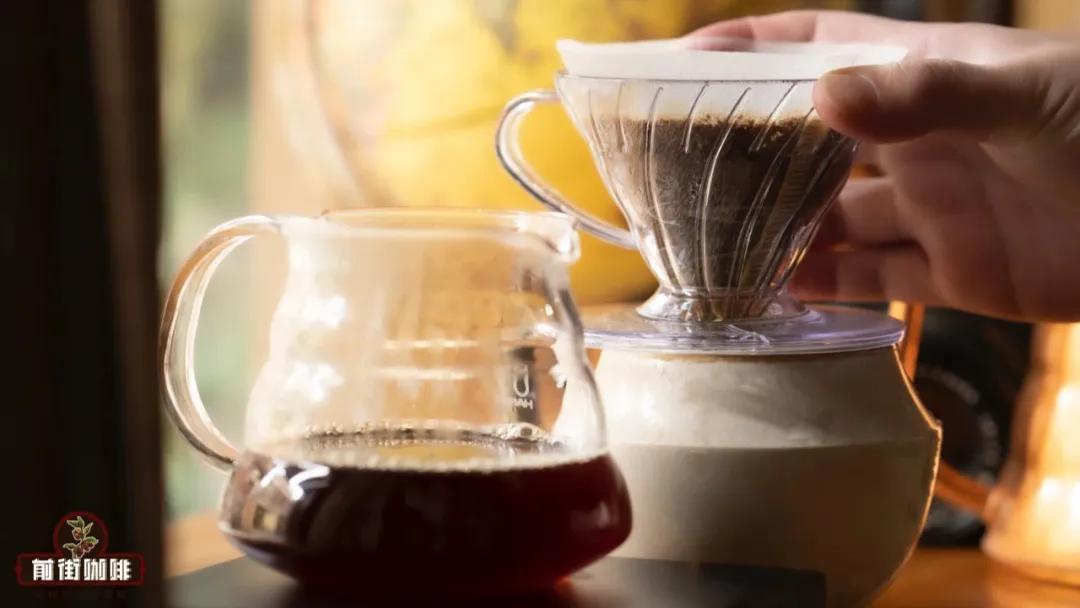

The above content is compiled by CoffeeHunters, a coffee news website.


