







Introduction:The versatility of pour over coffee stems from the subtle differences in filter cone design and brewing techniques. The V60 and Kono are two widely popular pour over cones, yet their structures and extraction characteristics differ significantly, making them suitable for different bean varieties and flavor profiles. This article delves into the design principles of these two cones, explores the standard range for the Golden Cup extraction, and provides practical advanced pour over tips to help you brew coffee with balanced and layered flavors.
The allure of pour over coffee lies in its ability to showcase the diverse flavor dimensions of coffee beans through various techniques and equipment. Among these, the choice of filter cone is one of the key factors influencing the extraction outcome. As two classic pour over cones, the V60 and Kono each have their own unique design philosophies, guiding distinct extraction flavors. This article will start with the basic concept of extraction yield, guide you through the reference range of the Golden Cup standard, then further compare the features of the V60 and Kono, and share useful advanced techniques to help you easily brew coffee with clear and richly layered flavors. Practical experience is also incorporated here, offering specific recommendations for your reference.
First, let’s understand a basic concept: roughly 30% of roasted coffee beans consists of soluble flavor substances. According to the Golden Cup extraction theory, a cup of coffee considered “tasty” should have an extraction yield that falls within 18% to 22% . This means that if you can extract about two-thirds of those 30% of soluble substances appropriately, you’ll usually achieve a flavor profile most people enjoy. If the extraction yield is too low, the coffee may taste weak, insipid, and underdeveloped; on the other hand, if it’s too high, it’s prone to issues like bitterness, astringency, and off-flavors due to over-extraction.
The V60 cone is renowned for its unique conical shape and single large drainage hole. Its interior features spiral ribs that allow water to flow quickly through the coffee grounds, resulting in bright acidity and a clear flavor profile. This design is especially suited for coffees with vibrant, high-volatility flavors such as fruity acids and floral notes, and is commonly used for light to medium roasted beans. However, due to the relatively fast flow rate, it demands higher brewing skill—attention must be paid to the coordination of water temperature, grind size, and pouring rhythm to avoid over-extraction or uneven extraction.

In contrast, the Kono cone uses a multi-layered, more enclosed rib structure, along with a smaller or tapered outlet, which effectively slows down the water flow, prolonging the contact time between water and coffee grounds. This characteristic helps fully extract the sweetness, body, and lower-toned flavors of the coffee, making it particularly suitable for medium to dark roasted beans or those where body and aftertaste are emphasized. The Kono’s design also makes the extraction process more stable, offering a more beginner-friendly or consistent flavor option for users who prefer uniformity.
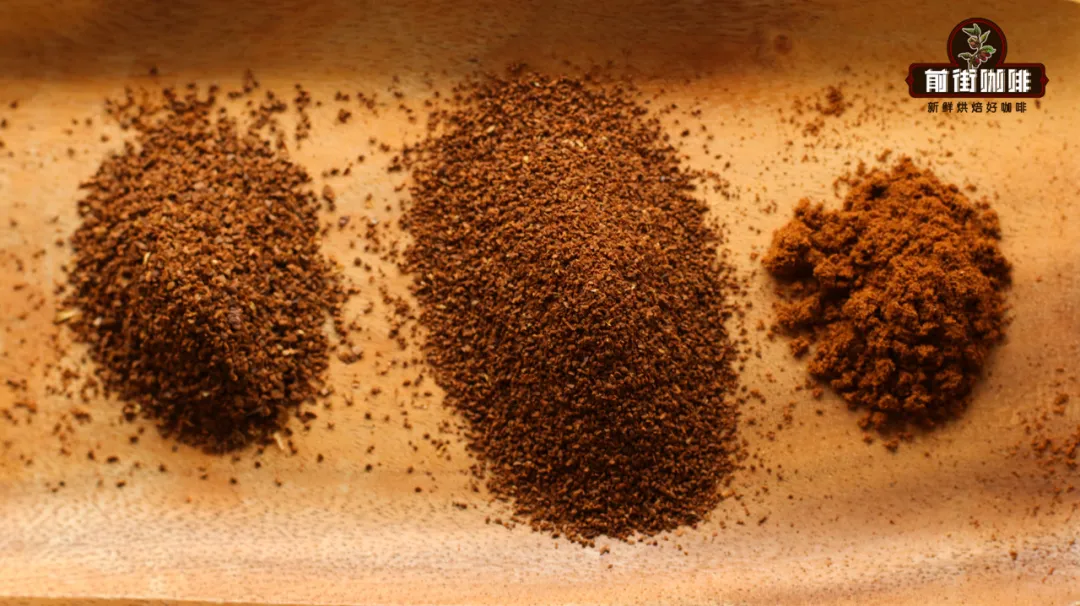
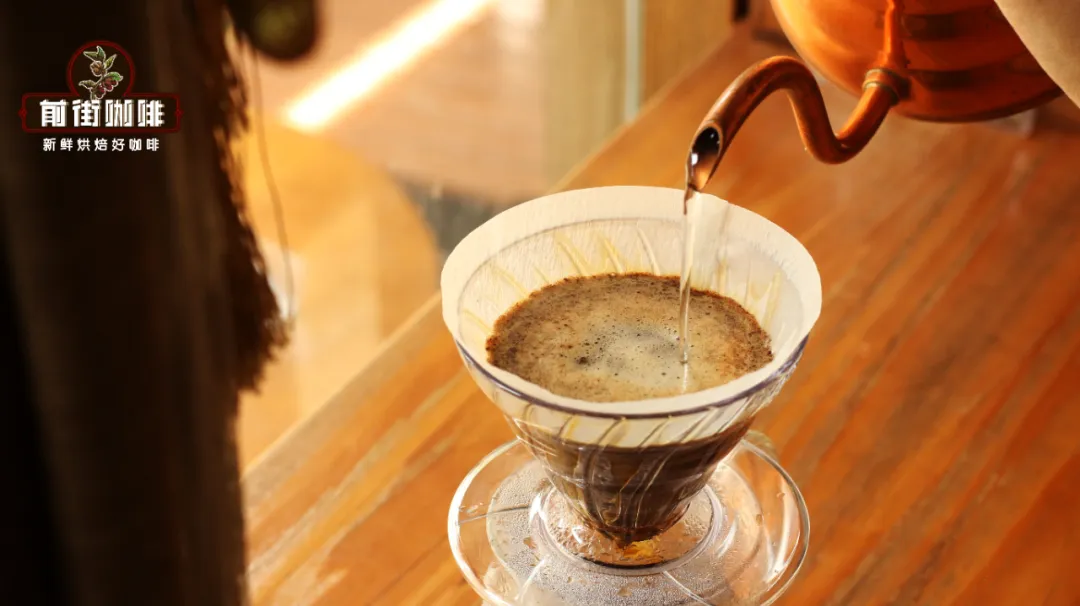
In practical use, if you’re using a V60, it is recommended to choose a medium-fine grind(similar in coarseness to granulated sugar), with water temperature controlled at 90°C to 93°C, and to manage the extraction rhythm through a pulsed pouring method—such as first pouring a small amount of hot water for blooming, followed by multiple circular pours. The total extraction time is ideally kept between 2 minutes 30 seconds and 3 minutes. When using a Kono, you can slightly coarsen the grind (closer to white sugar), reduce the water temperature to around 88°C to 91°C, and adopt a gentler pouring approach to ensure even water penetration. The overall extraction time may be slightly longer, around 3 to 3 minutes 30 seconds, to fully bring out the body and sweetness.
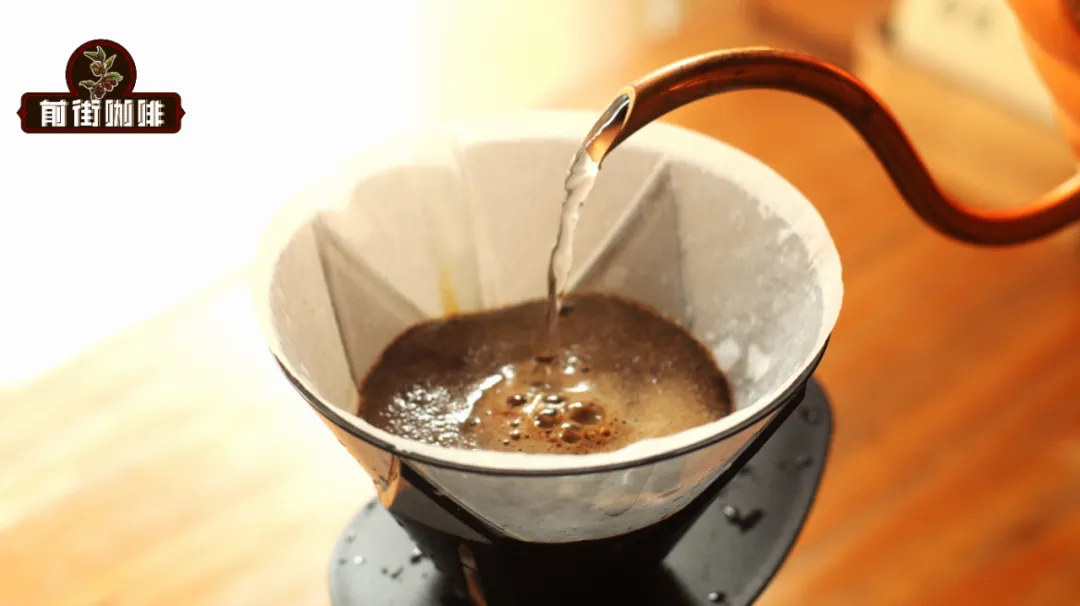
It’s worth noting that regardless of which cone you use, the even distribution of coffee grounds and the degree of tamping will affect extraction stability. It’s advised to gently shake the grounds to level the bed after loading to avoid channeling, which can cause some grounds to be over-extracted while others are under-extracted. Additionally, the choice of filter paper is important—use unbleached paper that matches the cone material, and wet it with hot water before brewing. This not only eliminates paper pulp taste but also preheats the equipment and stabilizes the extraction environment.

Advanced users can experiment with adjusting the coffee-to-water ratio, typically ranging from 1:15 to 1:17(for example, 15 grams of coffee to 225 to 255 milliliters of water), fine-tuning based on personal taste preferences. If you prefer a richer taste, you can reduce the water volume slightly; if you lean toward a lighter, cleaner flavor, increase the water. Also, keeping a record of each brew’s parameters—including grind size, water temperature, time, and flavor results—can help you gradually identify the settings that best suit your palate.
In summary, the V60 and Kono each have their own design intentions and ideal scenarios. The V60 suits coffee enthusiasts who seek bright, refreshing flavors and are willing to refine their technique over time; the Kono, on the other hand, is better for users aiming for stable, full-bodied flavors or who prefer medium to dark roasts. By understanding the characteristics of these two cones and applying the fundamental principles of Golden Cup extraction, you’ll be able to adjust your brewing strategy with confidence, producing a pour over coffee that is rich in layers and well-balanced in flavor.
The above content is compiled by CoffeeHunters, a coffee news website.


