







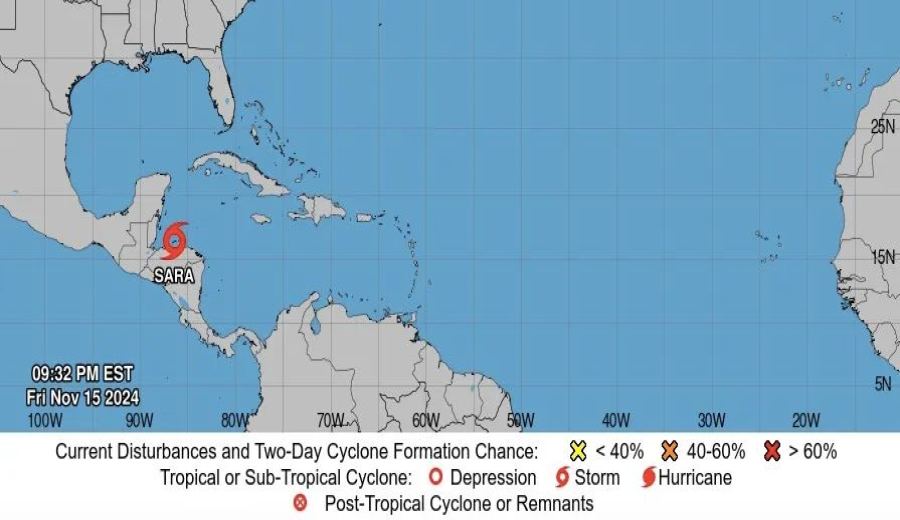
Introduction:Tropical Storm Sara, the 18th named storm of the 2024 Atlantic hurricane season, has severely impacted Honduras, causing extensive flooding just ahead of the coffee harvest season and threatening to significantly affect both production and exports. This article delves into how the storm is affecting the world’s sixth-largest coffee-producing country, as well as the reasons behind the surge in Arabica futures prices to historic highs, giving you an insight into the market turbulence and the current state of the producing regions.
Tropical Storm Sara, the 18th named storm of the 2024 Atlantic hurricane season, recently formed in the Caribbean and made landfall in northern Honduras, triggering severe disasters. The storm has affected nearly 33,000 people and prompted the Honduran president to declare a 30-day state of emergency nationwide. The accompanying heavy rainfall, flooding, and landslides have caused serious damage to transportation and infrastructure, particularly as the coffee harvest season approaches, potentially having a profound impact on the production and exports of Honduras, the world’s sixth-largest coffee producer.
According to data from Honduras' National Risk Management and Emergency Secretariat, Tropical Storm Sara has severely impacted 6,604 families, with some remote areas still cut off from communication. Currently, Sara is moving westward at approximately 15 to 20 kilometers per hour toward the department of Colón, bringing torrential rains along the way. Rainfall in many areas ranges between 300 to 500 millimeters, with disaster-stricken areas receiving over 700 millimeters, resulting in flooded roads, paralyzed transportation, and major disruptions to people's lives.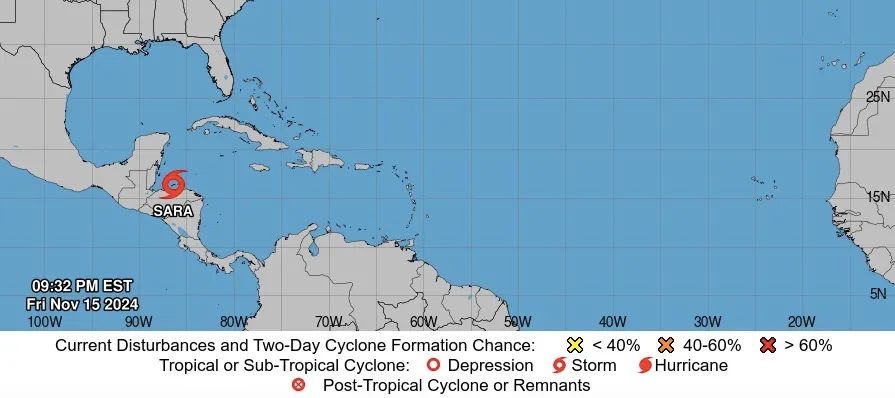
The hardest-hit areas are concentrated in the La Esperanza mountain range and surrounding highlands in north-central Honduras. Persistent heavy rain has triggered severe flooding and landslides. The armed forces have deployed significant manpower and resources for emergency rescue operations. Honduras, located along the Central American coastal region, already experiences highly variable weather with frequent heavy rains. In fact, as early as June this year, the country endured a major downpour that resulted in one fatality, affected more than 6,000 people, and prompted yellow alerts in seven provinces.
The impact of Storm Sara is broader and the damage more severe compared to previous events. It has not only wreaked havoc in north-central Honduras but is also expected to affect neighboring countries such as Belize, Guatemala, Nicaragua, and Mexico. Of particular concern are Honduras’ main ports, including the country’s largest and most important port, Puerto Cortés, which is located in the heavily affected northwestern region. Imports and exports are expected to face complete disruption in the coming days, posing significant challenges to the export of various products, including coffee.
As a globally significant exporter of Arabica coffee, Honduras’ coffee production and sales performance in 2024 has not been ideal. According to statistics from the Honduran Coffee Institute (IHCAFE), in August 2024, the country exported only 321,303 bags of coffee (each bag weighing 60 kilograms), a sharp decline of 19.44% compared to the same period last year. Since the 2023/24 season began, cumulative exports have reached 4.35 million bags, also down 11.07% year-on-year. Although IHCAFE had previously projected a recovery in coffee production for the 2024/25 season, anticipating a 14.5% increase in exports to 5.37 million bags, the onslaught of this storm is likely to dash those optimistic expectations.
November is typically the main harvest season for coffee in Honduras. Persistent heavy rains will not only delay the harvesting schedule but may also cause ripe coffee cherries to fall prematurely, further affecting the final yield. Moreover, with damaged roads and disrupted port operations, even if the coffee is successfully harvested, export logistics will face severe challenges, potentially leading to a tightening of global market supply.
It is worth noting that recently, extreme weather has not only hit Honduras but also affected other major coffee-producing regions such as Brazil and Colombia, with successive unfavorable climatic conditions leading to a sharp decline in global Arabica coffee supply. Against the backdrop of supply-demand imbalance, Arabica coffee futures prices have surged to historic highs, intensifying market volatility and significantly impacting global coffee trade and retail prices. Consumers and industry players should closely monitor weather developments in producing regions and trends in the futures market when selecting or planning their coffee supply chains, in order to prepare for potential future price fluctuations and supply instabilities.
The above content is compiled by CoffeeHunters, a coffee news website.


