







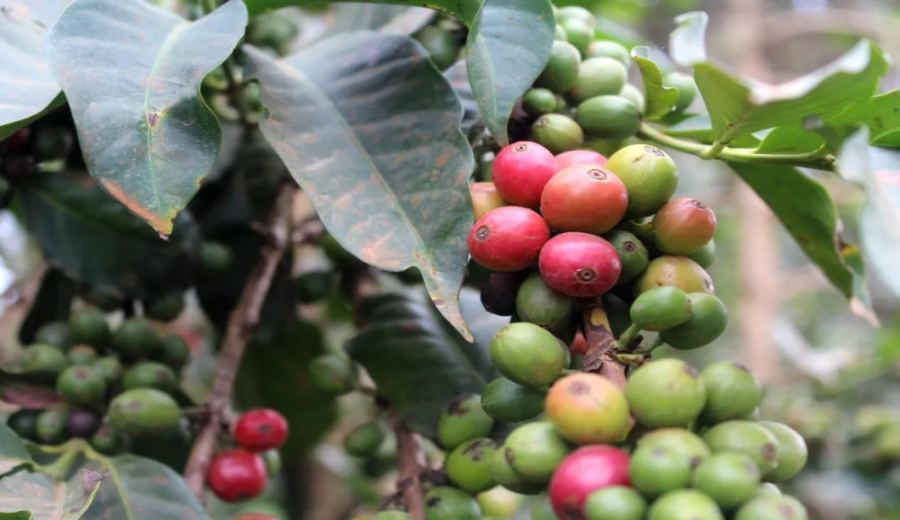
Introduction:Kenyan coffee is renowned for its high acidity, bright profile, and layered complexity. Behind its distinctive flavor lies the combined contribution of classic varieties such as SL28 and SL34, along with scientifically cultivated new cultivars. This article delves into the genetic origins, growing adaptability, and flavor characteristics of the traditional elite SL series, the disease-resistant Ruiru 11, and Batian, helping coffee enthusiasts and professionals understand how variety critically influences cupping performance.
Kenyan coffee has secured a place in the global specialty coffee market for its crystal-clear extraction and vibrant, intense fruit acidity. This unforgettable sensory experience is not only due to the country’s unique microclimate in high-altitude volcanic regions and mineral-rich red soils, but also closely tied to the carefully selected and cultivated coffee varieties. From the Bourbon variety introduced in the late 19th century, to the later scientific breeding programs led by official research institutions that produced SL28, SL34, and the disease-resistant varieties Ruiru 11 and Batian, each lineage reflects the Kenyan coffee industry’s continuous pursuit of quality and resilience.
Located near the equator, Kenya lies entirely within the so-called “coffee belt” and features numerous volcanic regions at altitudes between 1600 and 2100 meters. These areas benefit from significant day-night temperature variations that facilitate slow ripening of coffee cherries, while the rich phosphorus content in volcanic soils directly contributes to the highly fermented and bright acidity of the berries. However, transforming such exceptional geographical conditions into a cup of outstanding coffee also hinges crucially on variety selection.
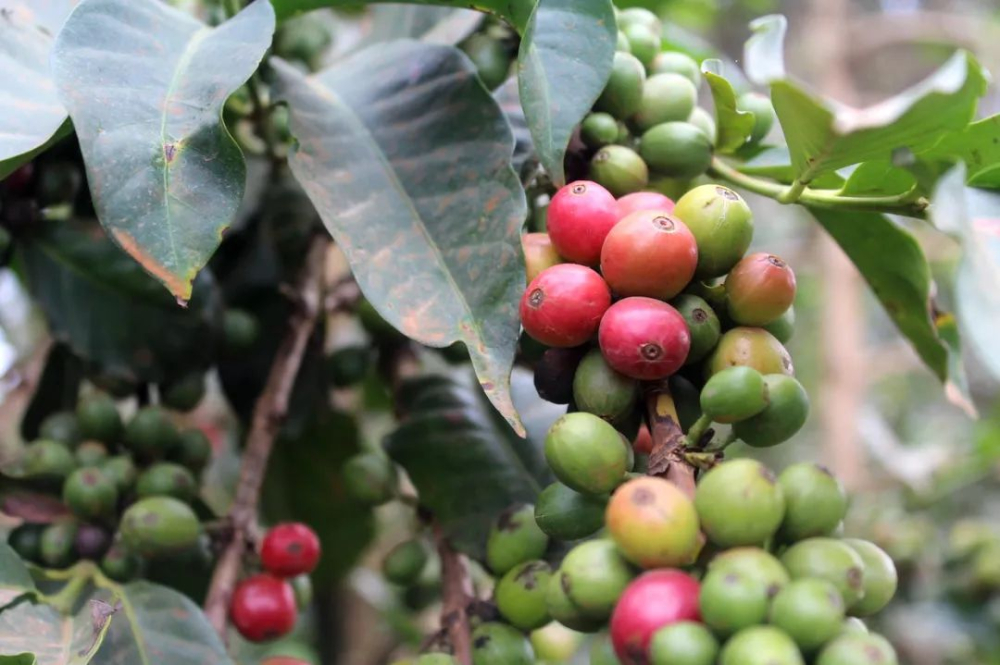
Early Kenyan coffee cultivation mainly relied on Bourbon varieties introduced from French missionaries, as well as later attempts to bring in Kent and Blue Mountain Typica from India and Jamaica. Yet these traditional varieties often underperformed when faced with local disease challenges and yield demands. To break the bottleneck, the Kenyan authorities commissioned the then-Scott Agricultural Laboratory (now restructured as the Kenya National Agricultural Research Laboratories, NARL) to launch a four-year systematic variety screening program. The research team collected 42 coffee trees from different origins and conducted detailed evaluations based on yield, disease resistance, and cup quality, naming each line with the lab abbreviation SL followed by a number. Among the many candidates, SL28, SL34, and SL14 stood out for their ability to deliver high yields and exceptional flavor profiles even in high-altitude environments.
According to recent genetic analysis, SL28 shows clear genetic ties to the classic Bourbon variety, while SL14 and SL34 are more closely related to the Typica genetic lineage. In particular, SL28 and SL34 not only exhibit high adaptability in medium-to-high altitude regions, with stable yields and relatively good disease resistance, but their flavor profiles—often characterized by citrus acidity, berry notes, and rich complexity—have made them the most favored cultivation choices among Kenyan coffee farmers. By contrast, although SL14 also offers drought tolerance and high yield potential, its cup quality is somewhat less complex, resulting in a lower planting proportion within Kenya, though it has found broader adoption in neighboring Uganda.
However, the SL series varieties show notably weak resistance to certain diseases, especially Coffee Berry Disease (CBD). In 1968, the Kenyan coffee-growing regions suffered devastating losses—over half of the coffee crops were severely affected—due to a CBD epidemic. This incident prompted the government and research institutions to accelerate the development of specialized varieties with stronger disease resistance. Ruiru 11 emerged from this context, successfully bred at the laboratory in Ruiru and named after its location. The number “11” signifies a single-cross hybrid derived from two core parent lines.
Ruiru 11 is a composite variety, with a genetic background incorporating several well-known lines such as Catimor, Rume Sudan, Bourbon, K7, N39, SL28, and SL34. This diverse genetic makeup gives Ruiru 11 high disease resistance and stable yield performance, but its flavor profile struggles to match that of traditional SL28 and SL34. Moreover, large-scale cultivation of Ruiru 11 requires manual pollination, which not only increases production costs but also limits seed supply, keeping its adoption relatively limited.
To balance disease resistance, yield, and flavor performance, the Kenya Coffee Research Institute officially launched a new variety, Batian, in 2010. This variety was created through backcross breeding between offspring of Ruiru 11 and SL28 and SL34, resulting in a reconstructed composite variety. Batian inherits the disease resistance and high-yield traits of its parent lines, and its cup quality also demonstrates notable potential—thus it was named after Mount Batian, the highest peak in Kenya. Nevertheless, due to the market’s enduring preference for the flavors of traditional SL28 and SL34, Batian has yet to achieve large-scale cultivation within Kenya.
Looking at the current supply dynamics of the Kenyan coffee market, the majority of exported specialty beans still primarily consist of the SL28 and SL34 varieties. Take the renowned Thika region as an example—many premium estates insist on using these two classic lines, paired with the K72 washed processing method, ultimately presenting a unique cup profile that blends the sweet-tart notes of cherry tomatoes with the deep character of black plums. Such coffees typically exhibit exceptional clarity and bright fruity acidity, with a juicy mouthfeel, delicate sweetness, and long-lasting finish, making them exemplary representatives of the essence of Kenyan coffee flavor.
The above content is compiled by CoffeeHunters, a coffee news website.


