







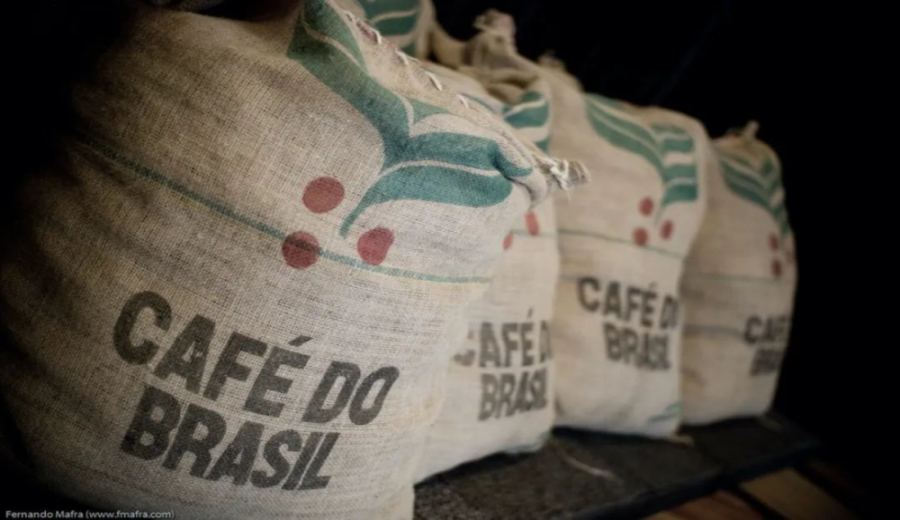
Introduction:Despite challenges such as port congestion and extreme weather, Brazil’s coffee exports in October set a new monthly record of 4.926 million bags. This article delves into the reasons behind Brazil’s impressive coffee export performance, examining the impact of logistics bottlenecks, climate anomalies, and exchange rate fluctuations on the industry, and shedding light on the market trend that saw Germany become the top importing country.
According to the latest statistics from the Brazilian Coffee Exporters Council, even though around 2.1 million bags of coffee beans were delayed at ports due to logistics issues at the end of September, Brazil’s coffee exports still hit an all-time monthly high of 4.926 million bags in October — an 11.6% increase compared to the same period in 2023, with total export value soaring to $1.393 billion.
Notably, this figure not only sets a new monthly record for Brazilian coffee exports but also surpasses the previous peak of 4.77 million bags recorded in November 2020, marking a 3.27% increase. In terms of per-bag price, the average export price in October was approximately $282.8 per bag, representing a year-on-year surge of 62.6%, indicating strong global demand.
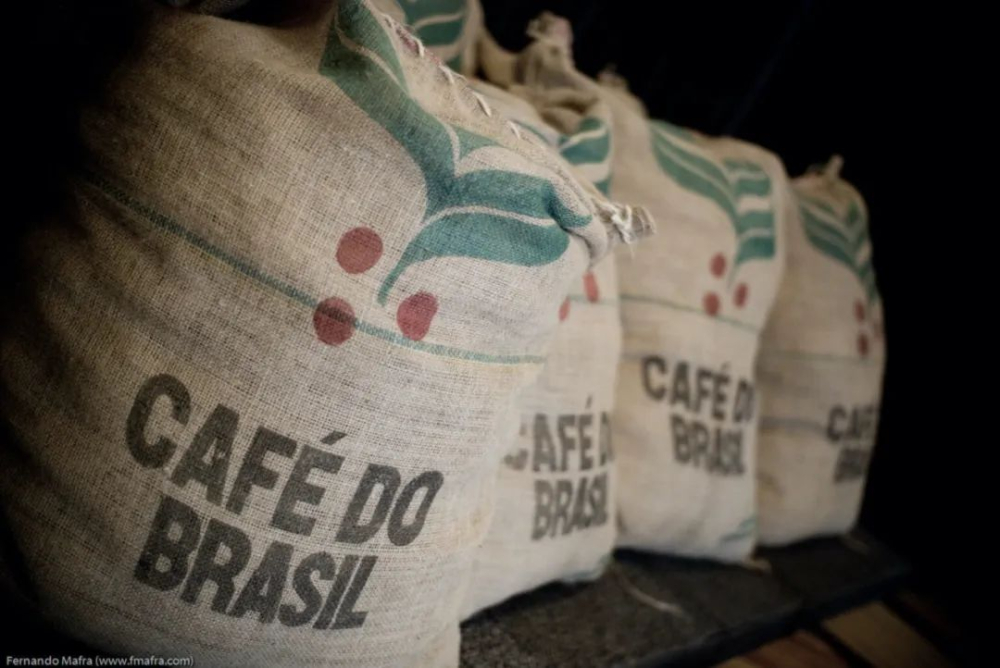
In terms of export markets, Germany imported a cumulative total of 6.64 million bags of Brazilian coffee beans in the first ten months of 2024, accounting for 23.9% of Brazil’s total exports. It is not only the largest importer of Brazilian coffee this year, but also saw a 77% year-on-year increase in imports, reflecting steady growth in European demand for Brazilian coffee.
The president of the Brazilian Coffee Exporters Council stated that the strong October export performance is a major boost for the industry. To overcome logistics challenges, industry players have actively adjusted their shipping strategies, including recently beginning to use dry bulk carriers to transport coffee beans to ensure supply commitments to global buyers.
However, despite the strong export figures, logistics bottlenecks remain severe. Port delays and unstable shipping schedules continue to occur, with many containers filled with coffee beans still waiting at ports for shipment. Moreover, the high rate of vessel arrival and berthing delays has put significant pressure on exporters in shipping their goods overseas.
Beyond coffee, other Brazilian agricultural products such as sugar and cotton have also seen a sharp increase in exports recently, leading to a further surge in demand for containers. However, port infrastructure has failed to keep up with this surge in freight volume. Coupled with frequent strikes by port workers and tax auditors triggered by government policy adjustments, these issues have worsened vessel delays and operational efficiency, putting severe strain on terminal yard and gate management.
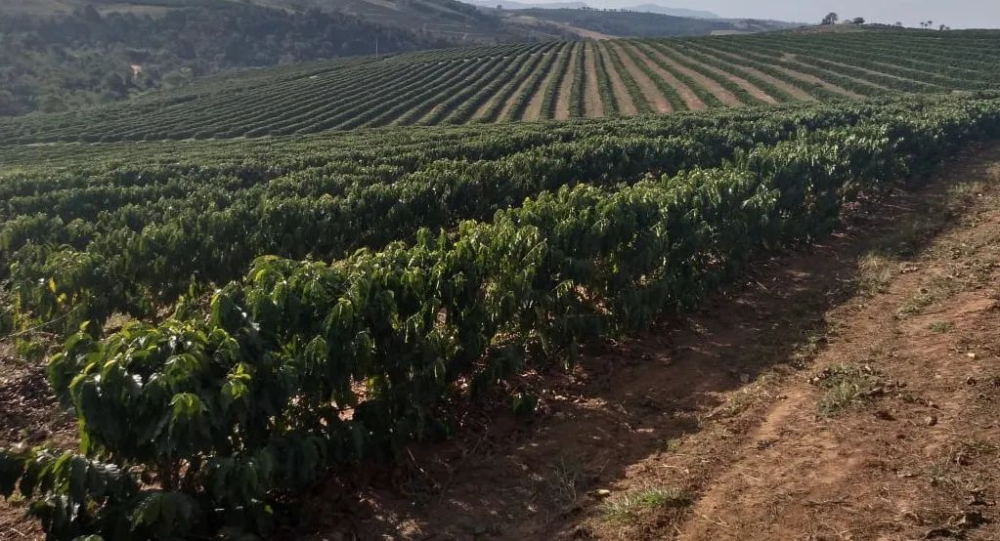
Aside from logistics issues, climate and exchange rates are two other key factors affecting Brazil’s coffee industry. This year, Brazil has experienced its worst drought since 1981, which has also triggered widespread wildfires. It is estimated that around 2,238 hectares of farmland, including areas planted with coffee and sugarcane, have been affected. This has not only led to reduced production for the current season, but also poses adverse effects on the planting environment and future yield potential for the 2025/26 crop year.
Although some regions have recently started to see rainfall, particularly in the southern states of São Paulo, Paraná, and Santa Catarina, rainfall in Brazil’s largest coffee-producing state, Minas Gerais, remains below historical averages, making it difficult to fully alleviate the drought. Most agricultural experts point out that while the recent rainfall helps improve soil moisture levels and reduce root stress on coffee trees, the damage already caused to plants affected by drought and fires is irreversible. It is expected that coffee production in severely affected areas may decline by 20% to 30%, and overall output could face a decline of more than 6.8%.
In terms of exchange rates, the Brazilian real has continued to depreciate against the US dollar recently, mainly due to domestic fiscal policy uncertainty and the political situation in the United States. While the depreciation of the real makes Brazilian coffee more price-competitive in the international market, it also simultaneously drives up domestic production costs. In addition, port delays leading to cargo retention and additional warehousing fees further erode profit margins for businesses and increase operational risks.
Under the combined pressures of reduced production, unstable logistics, and exchange rate fluctuations, Brazil’s future coffee export growth is bound to face more uncertainties. The industry is closely watching the climate trends for the new crop season and the progress of infrastructure improvements, which will be key to determining whether Brazil can maintain its position as a global coffee supply powerhouse.
The above content is compiled by CoffeeHunters, a coffee news website.


