







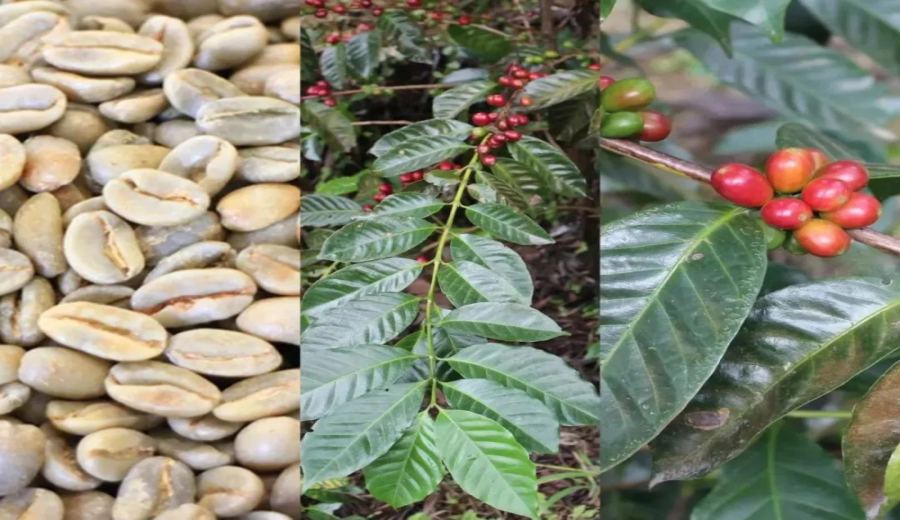
Introduction:Did you know that Gesha coffee did not originate in Panama, but in Ethiopia? This article delves into the genetic origins of the Gesha variety, its legendary journey from African forests to Panama’s Hacienda La Esmeralda, and how it rose to fame after winning the 2004 Best of Panama (BOP) competition. You’ll also learn about the origin of its name, flavor variations across regions, and the standout performances of today’s popular growing areas.
Gesha (Geisha) coffee is now a star variety in the specialty coffee world, yet it is often mistakenly believed to have originated in Panama. In fact, this globally beloved variety can be traced back to wild coffee forests in southwestern Ethiopia. Originally just a local variety, Gesha underwent decades of migration and obscurity before its distinctive floral, fruity, and citrus notes were discovered at Panama’s Hacienda La Esmeralda, propelling it to the top of auction markets.
This journey began around the 1930s, when a British colonial expedition in the Gesha region near Ethiopia’s southwestern Kaffa forest identified a coffee variety with unique aroma and disease resistance. Due to pronunciation differences in the local language and subsequent record-keeping errors, the original “Gesha” was mistakenly written as “Geisha,” a name that has stuck ever since.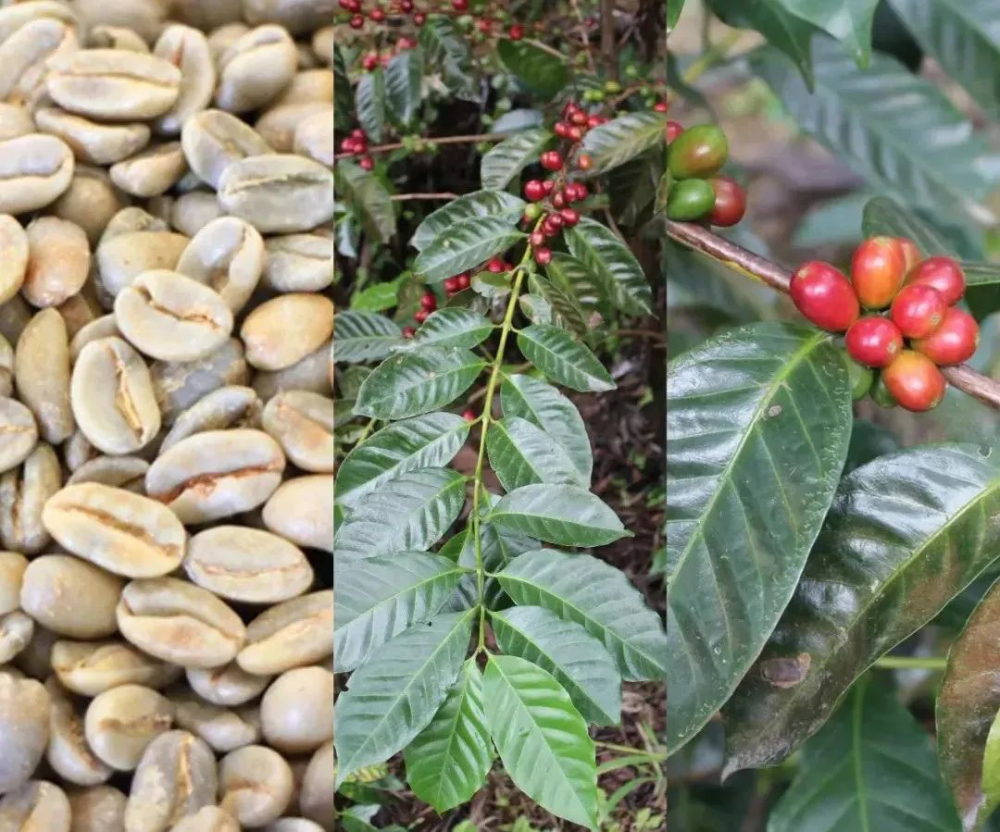
The variety was then taken to Kenya and Tanzania for research. By 1953, it had arrived at CATIE (Centro Agronómico Tropical de Investigación y Enseñanza) in Costa Rica, where it was registered as “Geisha T2722,” with the “T” standing for Turrialba, the city where the center is located. Researchers later found that this variety showed some resistance to coffee leaf rust, leading to its introduction to Panama for trial planting in the 1970s.
However, Gesha plants grow tall and are difficult to manage, so most local farmers did not see them as economically viable and thus did not plant them widely. A few farms used their height for windbreaks rather than focusing on coffee yield. It wasn’t until the late 1990s that Hacienda La Esmeralda, during a routine cupping session, unexpectedly discovered that a batch of Gesha exhibited rare citrus, floral, and tea-like flavors. They then began treating it as a distinct cultivar, cultivating and processing it as a single-origin lot.
The year 2004 marked a turning point in Gesha’s history. That year, Hacienda La Esmeralda entered this coffee into the Best of Panama (BOP) competition, where it won first place with an exceptionally high score. It was subsequently auctioned for over $21 per pound, setting a new global record for coffee auctions at the time. This event instantly turned Gesha into the spotlight of the global specialty coffee community.
Subsequently, many farms in Panama, such as Elida Estate and Aurora Estate, began planting Gesha to boost their international recognition and auction value. However, due to differences in altitude, microclimate, and processing methods across farms, even though it’s the same Gesha variety, the resulting coffees can vary significantly in aroma, acidity, and sweetness.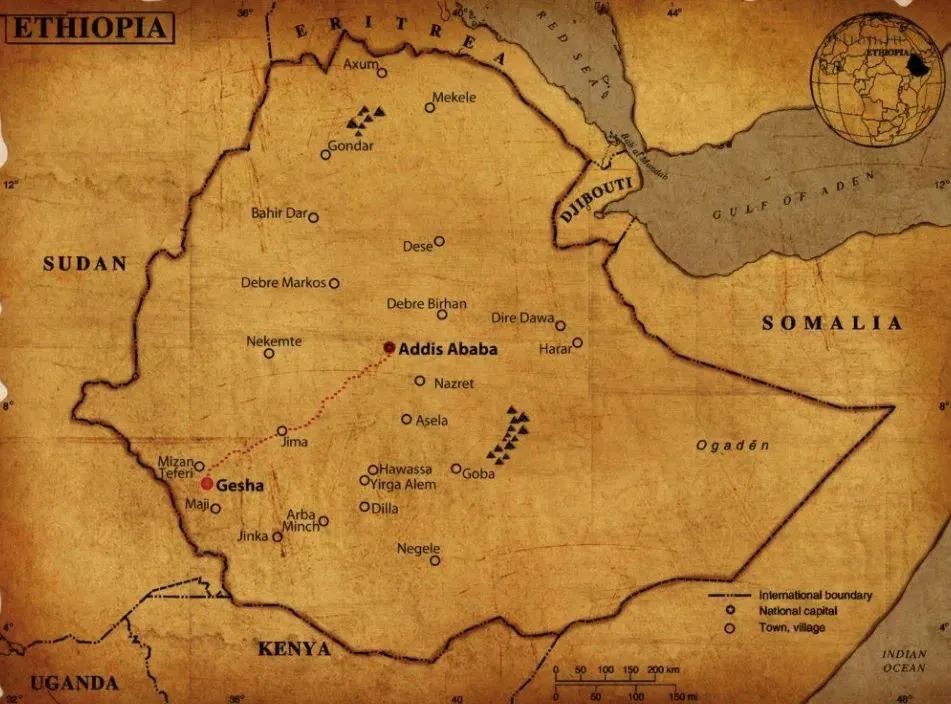
It’s worth mentioning that the name “Gesha” is also pronounced differently and sometimes misunderstood in various regions. Because the pronunciation of “Gesha” resembles the Japanese word for “geisha” or “artist,” early Japanese sources referred to this variety as “geisha coffee.” Taiwan later adopted this translation until domestic green bean traders corrected it based on the original spelling, renaming it “Gesha” and gradually standardizing the term in the Chinese market.
Currently, the most sought-after Gesha coffees still come primarily from Panama—especially the Green Tip and Red Tip Gesha from Hacienda La Esmeralda, which represent different growing plots and processing methods, offering high recognizability and consistent quality. Additionally, Gesha from the Boquete region is well known for its washed processing, often showcasing notes of jasmine, lemon acidity, bergamot tones, and honey sweetness. The cup profile is refreshing like green tea, making it ideal for coffee lovers who enjoy bright acidity and floral-fruity notes.
The rise of Gesha is not just about the appeal of the variety itself, but the result of a combination of geography, history, chance, and market opportunities. From the wild forests of Ethiopia to the auction stages of Panama’s highlands, this journey shows us how a single coffee variety can transcend cultures and borders to become a symbol of global specialty coffee.
The above content is compiled by CoffeeHunters, a coffee news website.


