







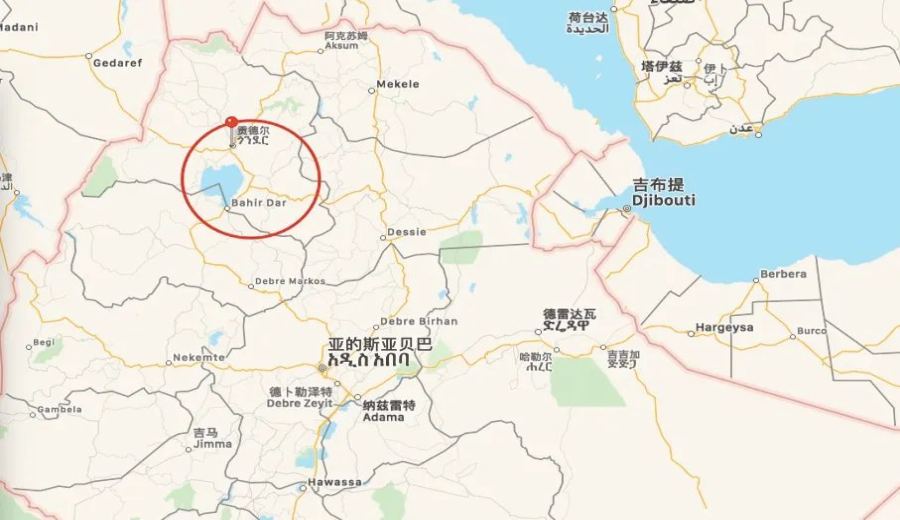
Introduction:Recent drone airstrikes in Ethiopia’s northern Amhara region have led to over 60 civilian casualties, with the ongoing conflict not only disrupting local livelihoods and the economy but also creating a ripple effect on the country’s coffee industry. The delay in the implementation of the EU’s EUDR (Deforestation Regulation), falling international coffee prices, and heightened regional security tensions have presented dual challenges of export and market access for what was an otherwise growing coffee sector. This article explores how the war is impacting the coffee supply chain and what the future may hold.
Ethiopian government forces have carried out multiple drone airstrikes in the Gondar area of the Amhara region in recent days. According to local reports, the latest wave of attacks has resulted in over 60 civilian deaths. One strike hit the Belaya district in central Gondar, killing at least 50 people and injuring many others, while another in the nearby Abela Jira district claimed 10 more lives. So far, the Ethiopian government has not issued an official statement regarding these incidents.
This is not the first time the Amhara region has been targeted by drone strikes. Since August last year, government forces have been conducting continuous military operations in the area, but with limited progress on the ground, drones and armed helicopters have become common tools of engagement. Due to the widespread nature of the attacks, the actual number of casualties may be higher, though comprehensive figures remain unavailable.
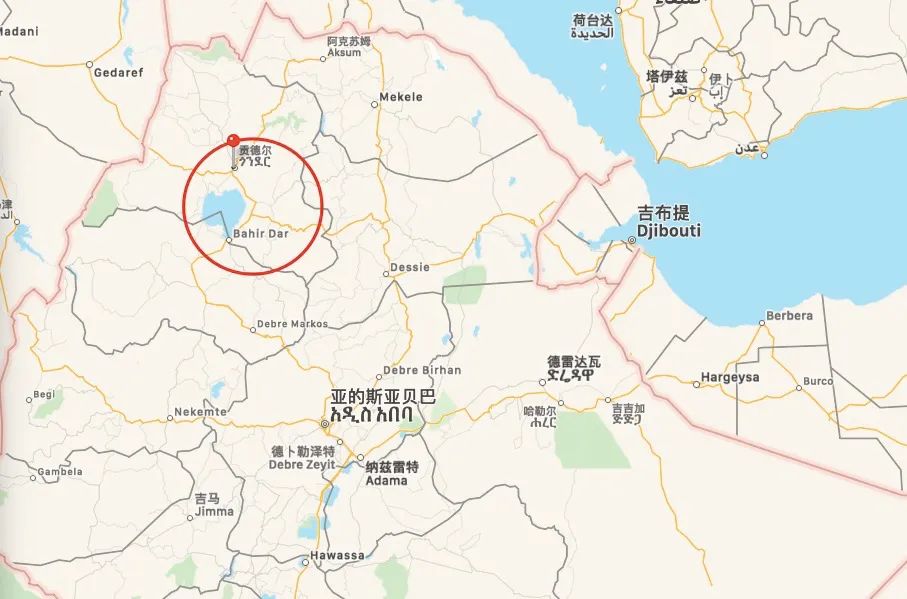
The main anti-government armed group in the region, known as the Fano forces, stated that the drone airstrikes have not only failed to weaken their position but have instead galvanized more civilians to join their cause, significantly boosting grassroots support and strengthening their combat capabilities compared to a year ago. Fano accuses the attacks of being intended to intimidate civilians who support them.
The ongoing conflict has severely disrupted social functions in the Amhara region. Millions of students have been forced out of school, some medical facilities have been damaged, and major roads have been blocked—hindering not only humanitarian aid but also crippling local economic activities. Notably, the Amhara region is a key agricultural and livestock hub in Ethiopia and one of the country’s main sources of domestic food supply. The fighting and road blockades have made transportation of goods difficult, further driving up national price levels.
Although the conflict is currently concentrated in the north, there have been occasional spillovers into central or western Oromia regions, posing potential threats to the nation’s overall social and economic stability. If the situation continues to deteriorate or escalates into a full-scale civil war, it could severely deter foreign direct investment and have far-reaching consequences on the broader economy.
Focusing on the coffee industry, although the main producing areas are located in the south and have not yet been directly affected by the fighting, the export process is already facing significant hurdles. Recently, the National Bank of Ethiopia adjusted its foreign exchange policy, limiting the spread between buying and selling rates for foreign currency to within 2%, a move that helps exporters secure fairer exchange rates, avoid excessive bank service fees, and ensure more equitable trade.
In the past, due to the upcoming implementation of the EU’s EUDR (Deforestation Regulation), many European coffee traders increased their purchasing efforts to ensure compliance with the new regulations, which boosted Ethiopia’s coffee exports. However, the EU recently announced a one-year delay in the enforcement of the EUDR, prompting traders to scale back orders. International coffee prices have since fallen, also affecting Ethiopia’s coffee export revenues.
Ethiopia’s Prime Minister recently stated that over the past five years, the country’s annual coffee production has successfully doubled from 500,000 tonnes to over 1 million tonnes, marking a commendable achievement. He also emphasized that the government will continue to work with farmers, cooperatives, and local communities to promote best farming practices, improve coffee quality, and enhance market competitiveness. However, most producers believe that ensuring regional security is the most pressing issue under current conditions.
Overall, while Ethiopia’s coffee industry has seen remarkable growth in output, geopolitical risks, changes in international trade policies, and security concerns all contribute to uncertainties in its export outlook.For specialty coffee consumers and traders who care about the origins of their beans, understanding these underlying factors can help make more informed purchasing and investment decisions.
The above content is compiled by CoffeeHunters, a coffee news website.


