







Introduction:Luckin Coffee’s recent collaboration with the clay animation character Pingu recently became the center of attention. In the early stages of the campaign, customers had to purchase high-priced combo sets or two new drinks to receive limited-edition merchandise, attracting many fans to rush to buy. However, after the campaign ended, the same merchandise was redistributed with much lower thresholds or even for free, sparking strong dissatisfaction among the first wave of buyers. This article delves into the marketing strategy shift of this collaboration, consumer reactions, and the current state of in-store inventory management, helping readers understand the brand’s marketing considerations and market feedback.
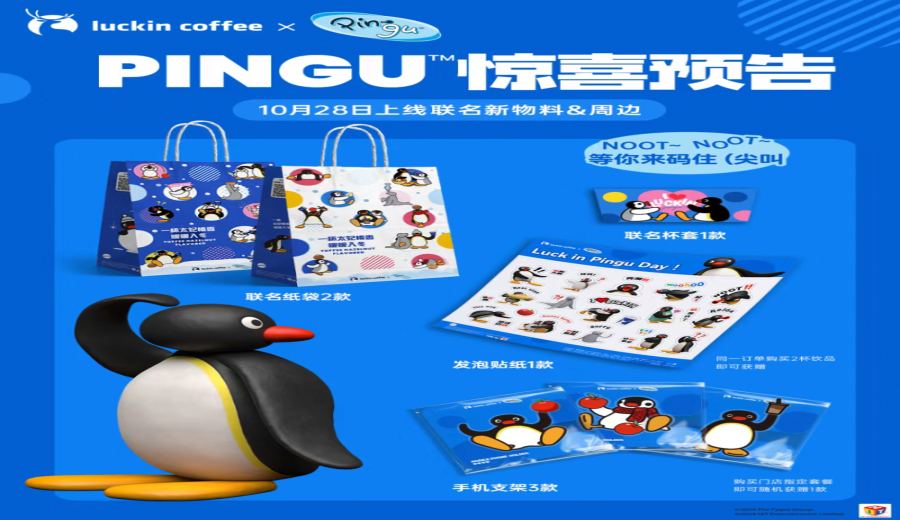
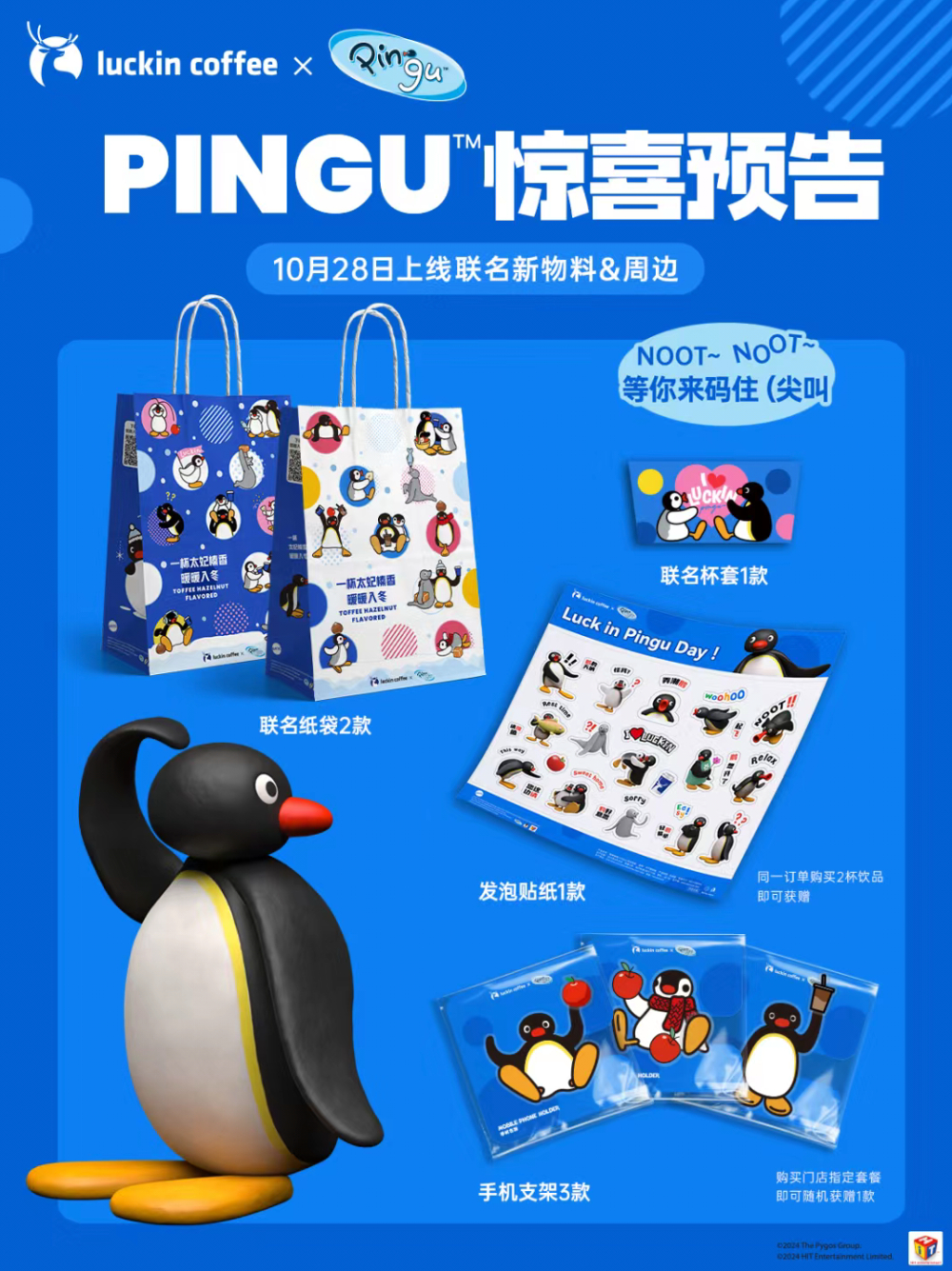
Luckin Coffee recently launched a collaboration with the well-known clay animation character Pingu, releasing a series of penguin-themed merchandise, including co-branded stickers, cute head-shaped fridge magnets, plush bags, and DIY face-swap cups, drawing considerable fan attention. However, from the teaser phase to the return of the campaign, the adjustment of the rules for obtaining the merchandise sparked considerable controversy.
It is understood that at the start of the campaign, Luckin announced how each type of merchandise could be obtained. For example, customers needed to purchase two new drinks to get one co-branded sticker; if they opted for a designated co-branded combo set at the store (which included merchandise), they might randomly receive small gifts such as fridge magnets or phone stands. As for popular items like cups and plush toys, they required the purchase of high-priced combo sets, which typically included seven drink vouchers and were significantly more expensive than ordering individual drinks.
Since the entry threshold for most of these merchandise items started at two drinks, and the combo sets themselves were priced relatively high, even with discounts from third-party platforms, the actual cost generally exceeded 30 yuan. Many office workers, out of their love for Pingu, were willing to pay full price for two large drinks even if they couldn’t find a “coffee buddy” to share the cost with. Some even stockpiled seven coffee vouchers in the Luckin app at once in order to collect the full set.
However, what came as a surprise to the first wave of buyers was that shortly after the campaign ended, Luckin launched a second wave of Pingu-themed merchandise, including stickers, fridge magnets, and phone stands. This time, customers only needed to purchase any two drinks to receive them, with the threshold drastically lowered, and some items even given away for free. This move left many early buyers who had paid premium prices feeling deeply disappointed and experiencing a significant psychological letdown.
Many fans expressed that they had initially purchased the high-priced combo sets specifically to get these limited-edition items, only to find that the same merchandise became available for free or at low cost just over a week later, leaving them feeling “ignored” or even “hurt.” This sense of disappointment was especially strong among those who had bought two drinks on their own just to meet the combo requirement.
Judging from discussions on social media, some observers noted that the popularity of this collaboration did not meet expectations. The designated combo sets that included merchandise were priced over 30 yuan, which held limited appeal for consumers unfamiliar with the Pingu IP, leading to leftover inventory issues at some stores even after the campaign ended.
According to an employee who regularly shares store operation insights on social media, the sales performance of the Pingu collaboration merchandise was indeed underwhelming, with several penguin-themed items remaining unsold. Some store staff reportedly discarded unsold stickers, gave away remaining items to others, or even privately sold leftover stock at discounted prices.
This collaboration between Luckin and Pingu, from initial enthusiastic participation to subsequent controversies, highlights the gap between the brand’s marketing pace and consumer expectations. For consumers, understanding the campaign rules and inventory dynamics can help make more rational purchasing decisions; for brands, how to balance the scarcity of limited merchandise with market demand remains an ongoing challenge to optimize in future collaborations.
The above content is compiled by CoffeeHunters, a coffee news website.


