







Introduction:Recently, southern and southeastern Brazil have been hit by unusually heavy rainfall, with the states of Mato Grosso and São Paulo being the most severely affected. Flooding and power outages have seriously disrupted coffee planting and harvesting operations. Meanwhile, Minas Gerais continues to face persistent rainfall shortages, compounded by the previous nearly 70-year worst drought and widespread wildfires, further exacerbating the challenges for local coffee trees. This article delves into the actual impact of this round of extreme weather on Brazil’s major coffee-producing regions and evaluates the potential yield changes for the 2024/25 and 2025/26 seasons.
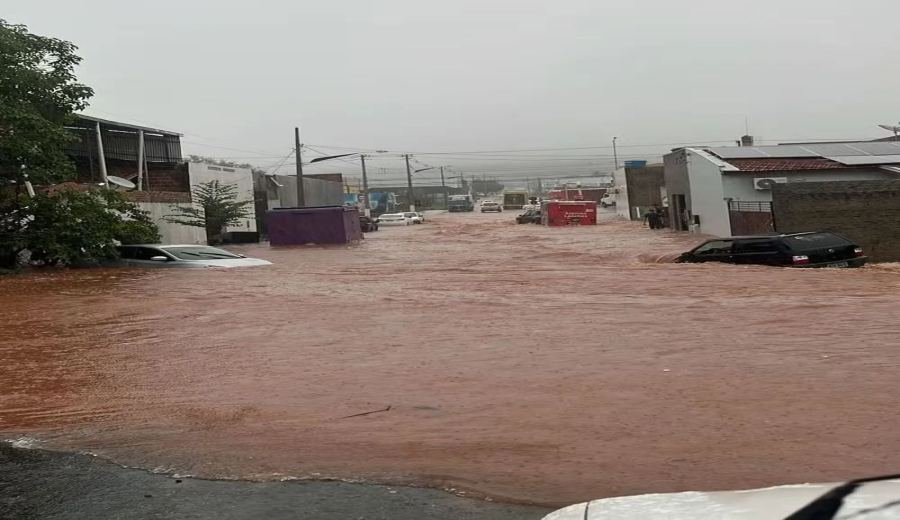
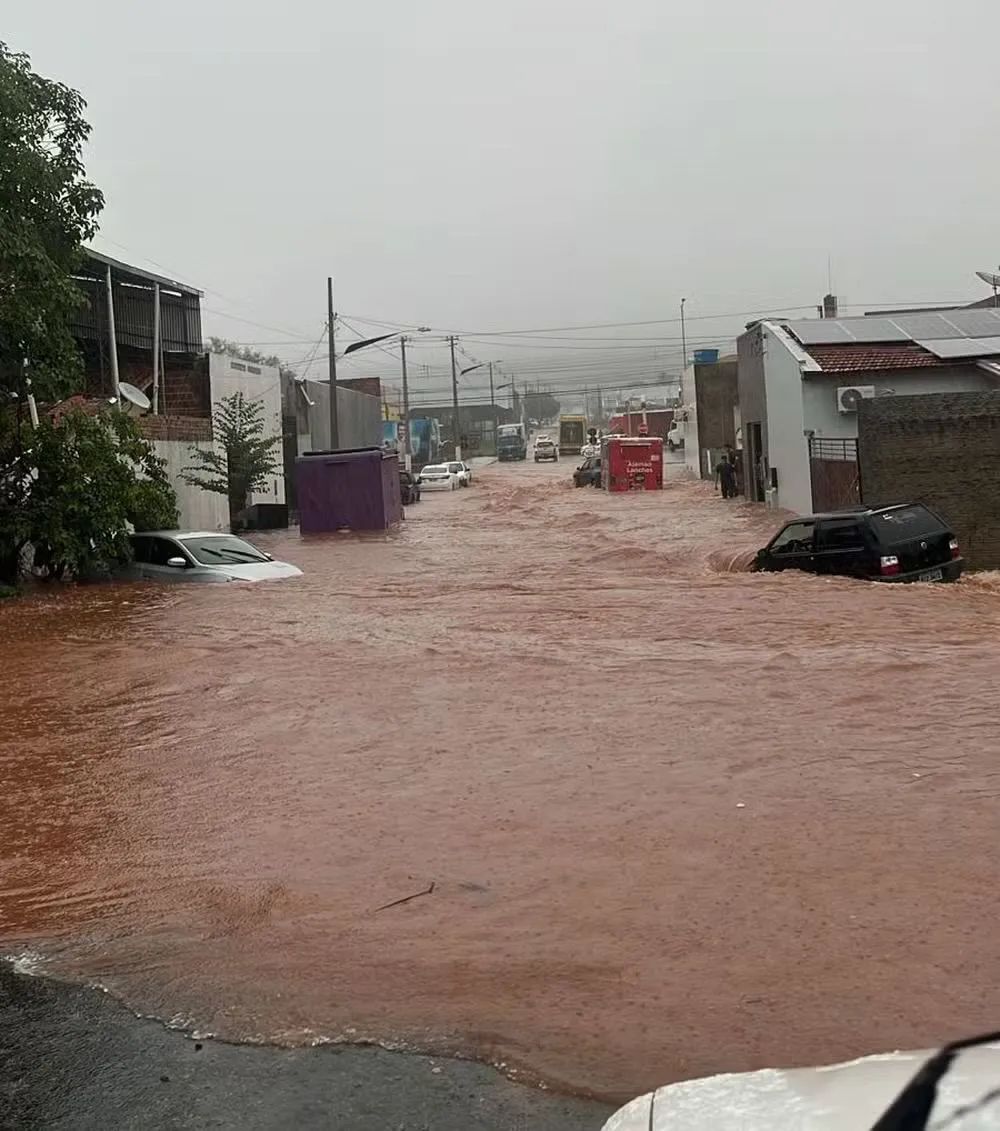
Southern and southeastern Brazil have recently been battered by consecutive days of heavy rain, causing severe damage in some coffee-growing areas, particularly in Mato Grosso and São Paulo. The regions have not only experienced waterlogging and transportation disruptions but also faced cascading effects such as power system failures, significantly impacting coffee crops that are in critical growth stages.
In Mato Grosso, sudden downpours triggered severe flooding, with water levels in some urban streets reaching up to one meter. Not only were vehicles stranded, but residential areas also faced threats from river overflows. Officials stated that this round of rainfall was the most intense in recent times, with some locations receiving over 100 millimeters of rain in less than an hour, causing significant damage to farmland infrastructure and crop growing environments.
The situation in São Paulo is also concerning. Originally scattered rainfall quickly turned into widespread heavy rain, triggering multiple tree collapses and localized floods, as well as power outages that affected tens of thousands of residents. Civil defense authorities have activated emergency response mechanisms and continue to monitor subsequent developments in the disaster.
Meanwhile, Minas Gerais, which neighbors São Paulo, has seen rainfall return, but the precipitation remains far below historical averages, averaging only 27.4 millimeters over the past week, about 64% of the region’s usual average. Previously, Brazil had just experienced one of the worst droughts in nearly 70 years, during which high temperatures and six months of rainless weather led to dried-up rivers, depleted reservoirs, and severe agricultural water shortages, causing long-term damage to the growing conditions of crops like coffee.
The drought also triggered large-scale forest fires, with approximately 22.38 million hectares of woodland across Brazil ravaged by flames, including some areas that are important coffee plantations. These fires not only directly destroyed coffee plants but also had a profound impact on soil and microclimatic environments. These compounding factors have already led to a decline in coffee yields for the 2024/25 season and further weakened the planting conditions and potential productivity for the 2025/26 season. Multiple expert institutions have revised their forecasts downward, predicting a reduction of at least 6.8%.
Many coffee farmers had hoped that the arrival of the rainy season would alleviate the drought, but excessive and concentrated rainfall has instead added challenges to farm management. Especially for coffee trees that have been under prolonged water stress, the sudden influx of large amounts of rain may not immediately repair root damage and could even exacerbate losses due to soil erosion or increased disease risks.
Brazil’s largest Arabica coffee-producing region was originally scheduled to enter its flowering stage by the end of September, but due to the earlier drought, it was delayed until October. According to the head of Cooxupe, a major local coffee cooperative, although this flowering period is concentrated and the number of flowers is abundant, whether the flowers can be successfully pollinated and develop into coffee cherries still depends on the fruit-setting conditions around mid-December to assess the actual impact.
Industry experts analyze that while the current rainfall helps replenish the severely depleted soil moisture caused by the long-term drought and eases the growth pressure on coffee tree roots, it cannot fully reverse the damage previously inflicted on plant health and growth structure by extreme weather. Given the ongoing climate instability, coffee yields in the most severely affected areas may face a significant decline of 20% to 30%.
The above content is compiled by CoffeeHunters, a coffee news website.


