







Introduction:As the world’s largest coffee-producing country, Brazil’s regional weather conditions and exchange rate fluctuations directly influence market supply, demand, and price trends. Recently, key Arabica-growing areas such as Minas Gerais have finally received effective rainfall, helping to alleviate the impact of prolonged drought on the 2024/25 and 2025/26 harvests. However, challenges such as low water levels in the Amazon basin, the depreciation of the Brazilian real, and port delays continue to add uncertainty. This article delves into how meteorological changes actually affect coffee tree growth, and explores how logistics and policy factors influence the future stability and flavor profile of coffee bean supply.
Coffee-growing regions in Brazil have finally experienced long-awaited effective rainfall, especially beneficial for the drought-stricken main Arabica zones. This round of precipitation helps relieve growing pressures for the new flowering season. Entering November, core producing areas such as Minas Gerais will gradually enter the flowering period, and moderate rainfall is crucial for the physiological development of coffee trees.
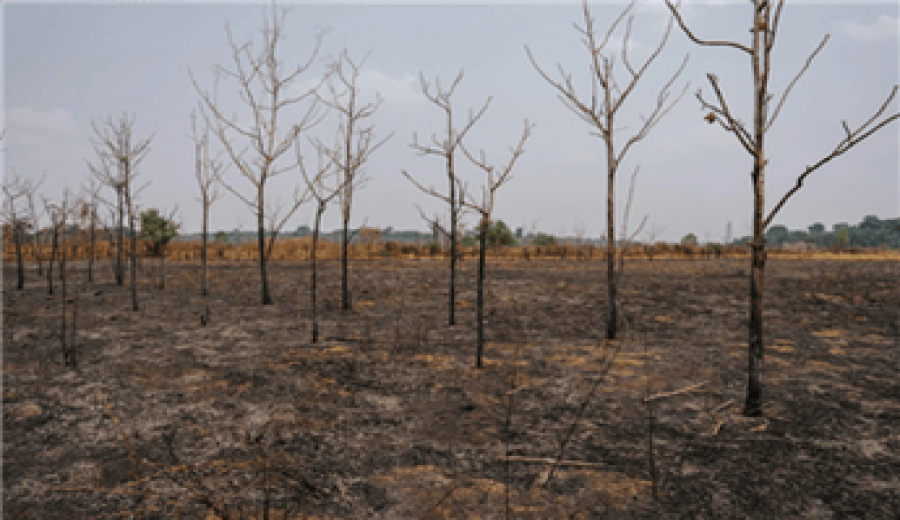
However, since April of this year, extreme heat and water shortages in many parts of Brazil have continued to worsen. Many major coffee and other crop production areas have not only seen significantly higher average temperatures, but rainfall has also remained well below historical levels for the same period, with some regions experiencing almost no rain for nearly six months. Such harsh weather has not only led to a sharp decline in coffee production for the 2024/25 harvest, but also has had a profound impact on the planting foundation for the 2025/26 season, with both soil moisture and plant health facing serious challenges.
According to observational data from Brazil’s meteorological department, the cumulative rainfall in coffee-growing areas over the past week was only 25.1 mm, about 74% of the historical average. Although rainfall in October as a whole was higher than in the previous two years, it still failed to return to the long-term average, indicating that drought pressure has not yet been fully relieved.
Meteorologists predict that in early November, major Arabica-producing areas such as Minas Gerais will experience more significant rainfall. If precipitation remains stable over the next few weeks, it will help gradually restore the flowering conditions of coffee trees. However, industry insiders also caution that while rainfall helps mitigate losses, the prolonged high temperatures and extreme drought have caused irreversible damage to the plants, and short-term rainfall alone is unlikely to fully compensate.
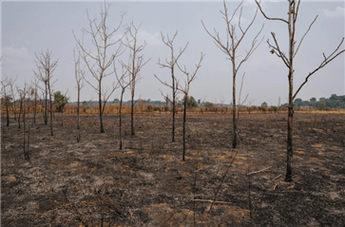
Notably, even as rainfall stabilizes in some regions, precipitation in the Amazon basin remains low. Under the dual influence of rising temperatures and climate change, the local ecosystem, food supply, and transportation networks are under increasing pressure. Currently, water levels in major waterways such as the Amazon River, Negro River, and Madeira River remain at historically low levels, severely impacting inland transportation.
A report by Brazil’s major shipping and logistics company Wilson Sons points out that the impact of drought on domestic river transport is particularly evident. The delivery of critical goods such as food and fertilizers to many inland areas has been disrupted, not only extending supply chain times but also driving up overall logistics costs, further exacerbating upward pressure on prices.
For Brazil’s coffee industry, in addition to facing logistics bottlenecks, one of the biggest uncertainties is the sharp depreciation of the Brazilian real. Affected by unclear domestic fiscal prospects and international factors such as the U.S. presidential election, the U.S. dollar has strengthened in the Brazilian market. This week, the real depreciated by 2.86% against the dollar, reaching its lowest level in nearly three months.
While the depreciation of the real helps enhance the price competitiveness of Brazilian coffee in the international market, it also leads to a significant increase in the cost of imported production materials such as fertilizers and pesticides, raising input costs at the cultivation stage. In addition, the delay rates at several major ports remain high, with strikes and operational bottlenecks causing export logistics efficiency to remain sluggish. The additional costs borne by exporters are estimated to have reached 5.938 million reais.
At the same time, the delayed implementation of the EU’s EUDR (EU Deforestation Regulation) policy has also affected short-term demand for Brazilian coffee in the European market, with reduced imports further suppressing international coffee prices. Considering meteorological, exchange rate, logistics, and policy factors, there remains significant uncertainty in the future production and price trends of Brazilian coffee.
For coffee enthusiasts, understanding regional weather and exchange rate dynamics can help gauge the future stability of coffee bean supply and potential flavor changes. These key factors will directly influence the quality performance of the 2025 harvest and serve as important references for selection and tasting.
The above content is compiled by CoffeeHunters, a coffee news website.


