







Introduction:Fresh coffee beans are the foundation of a delicious pour over coffee, but many coffee enthusiasts often make mistakes in storage, leading to a rapid loss of flavor. This article delves into the four key elements of storing coffee beans—sealing, coolness, dryness, and light avoidance—and explains how they affect the coffee’s shelf life and flavor profile. It also provides specific solutions to the four common destroyers of freshness, helping you store your coffee beans correctly and preserve their optimal flavor.
Whether coffee beans are fresh is one of the key factors that determine the quality of a cup of coffee. Whether you’re a pour over coffee enthusiast or a coffee aficionado focused on tweaking extraction parameters, neglecting the storage step can prevent even high-quality beans from performing at their best.
To keep coffee beans in their best condition, there are four essential elements you must master: sealing, coolness, dryness, and light avoidance. These four conditions are not only common industry recommendations for storage, but also scientifically proven to delay oxidation and flavor loss in coffee beans. As long as you store coffee beans in an environment that meets these four criteria, you can effectively extend their shelf life and preserve their delicate and complex aromas for a longer time.
However, neglecting these four elements is equivalent to exposing your coffee beans to the four major flavor killers, which we call the “Four Heavenly Kings”—oxygen, high temperature, moisture, and light. These factors can significantly accelerate the aging and flavor loss of coffee beans, sometimes even making you think you’ve bought stale beans when in fact the issue lies with improper storage.
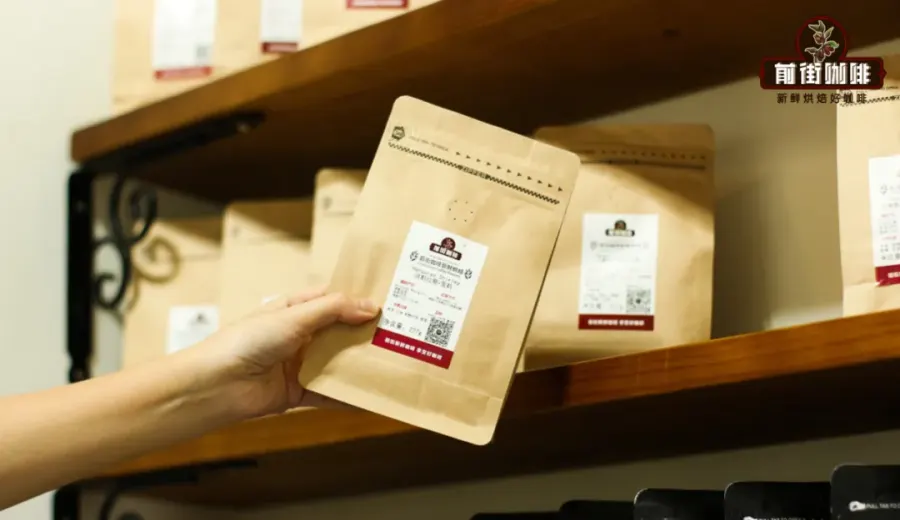
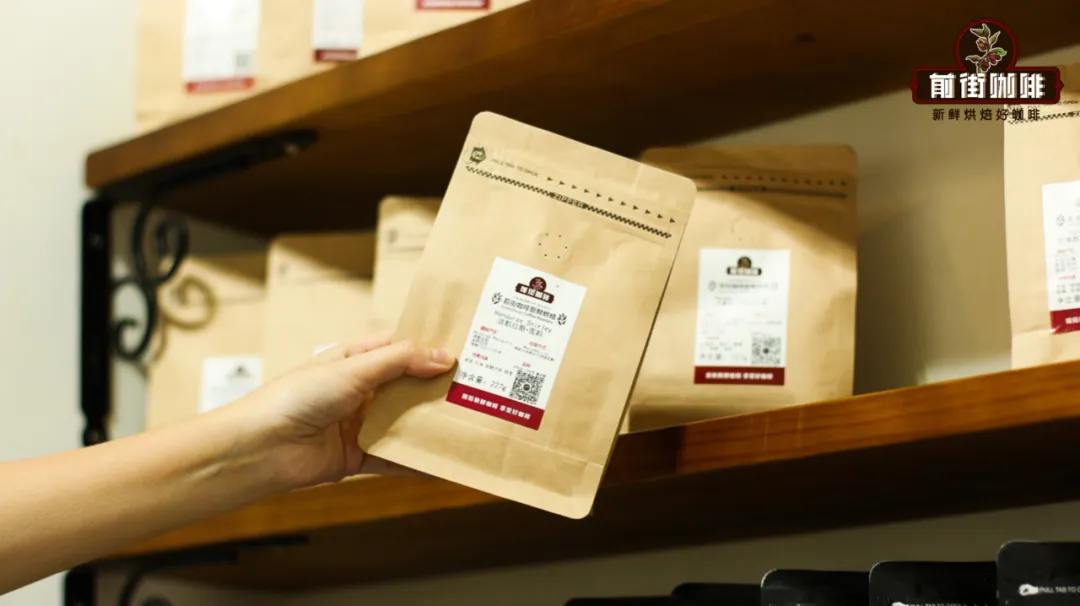
First is “sealing,” the first line of defense against oxygen exposure. Oxygen is the main culprit behind the oxidation of coffee bean oils. Once oxidized, the volatile compounds that originally carry fruity and floral notes rapidly diminish, making the coffee taste bland. Therefore, it is recommended to transfer the coffee beans to a fully airtight container as soon as possible after purchase, such as a one-way valve aluminum foil bag or a stainless steel vacuum canister. It’s important to note that opened coffee beans should be used within one to two weeks to ensure the flavors remain at their peak.
Next is “coolness,” which means avoiding high-temperature environments. High temperatures catalyze internal chemical reactions in coffee beans, including fat rancidity and the evaporation of aromatic molecules. The ideal storage temperature should be kept between 10 to 20 degrees Celsius. Do not place coffee beans near stoves, on balconies, or anywhere exposed to sunlight or heat sources. If you live in a particularly hot area, consider storing your coffee beans in a cool cabinet or even in the vegetable drawer of the refrigerator (but be mindful of moisture and avoiding odors).

“Dryness” is equally crucial. Moisture can cause coffee beans to absorb water, leading to moldy or fermented flavors that severely impact the taste after brewing. The ideal humidity level for storing coffee beans should be below 60%. Especially during the rainy season or in humid regions, it is recommended to use moisture-proof storage boxes or place food-grade desiccants inside regular sealed containers. Never store coffee beans on countertops or open shelves near sinks, as these areas are usually more humid and prone to damaging the beans.
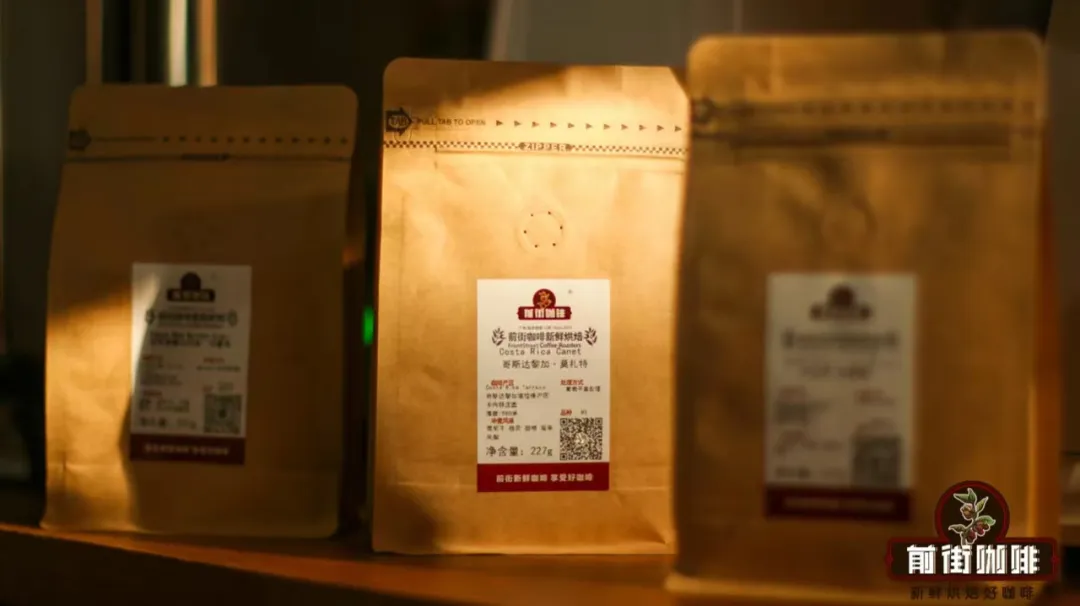
The final element is “light avoidance.” Light, especially ultraviolet rays, can break down the aromatic compounds in coffee beans, turning what was once a rich flavor into something dull. Whether it’s a transparent plastic bag or a glass jar, prolonged exposure to light can negatively affect the quality of the coffee beans. Therefore, it is recommended to store coffee beans in opaque containers or place them in cupboards, drawers, or other dark areas. Keeping the environment dark helps maintain the integrity of the aroma.
In addition to the above four elements, we must also recognize the four major destroyers of freshness—the so-called “Four Heavenly Kings.” The first is oxygen, which causes coffee beans to oxidize and weakens their aroma; the second is high temperature, which accelerates the deterioration of internal substances and the loss of aroma; the third is moisture, which may lead to mold or off-flavors; and the fourth is light, especially sunlight and strong artificial light, which directly damages aromatic molecules.
In summary, if you want every cup of pour over coffee to showcase its intended layers and flavors, strict control must start with storage. Choose the right container and store your coffee beans in a place that is sealed, cool, dry, and protected from light. Only then can you effectively avoid the invasion of the Four Heavenly Kings, ensuring that every step from grinding to brewing allows you to enjoy the most authentic and rich expression of your coffee.

The above content is compiled by CoffeeHunters, a coffee news website.


