







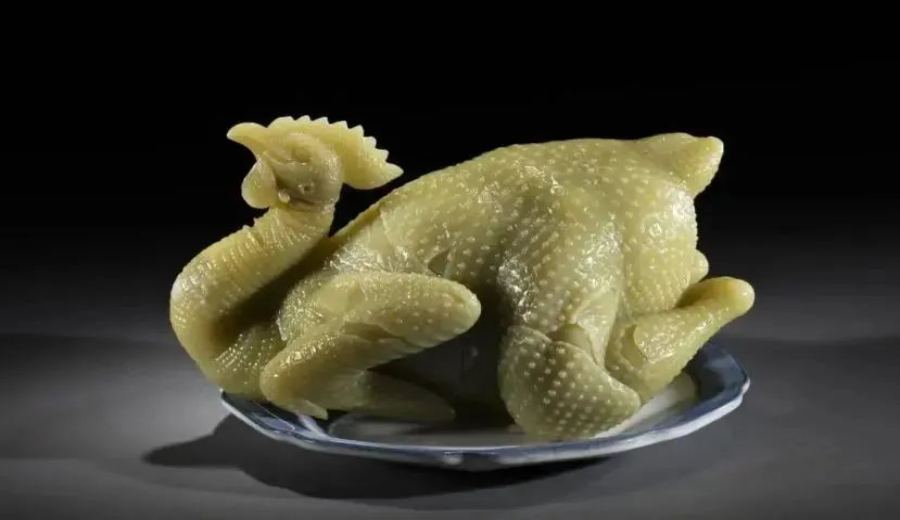
Introduction:What if a classic Cantonese dish—boiled chicken—were transformed into a cup of coffee? This creative beverage, launched by a Guangzhou-based nonprofit coffee shop dedicated to autism awareness, was originally intended to promote social care in a lighthearted way. However, due to malicious online editing, it spiraled into a public relations storm. This article reviews the full incident in detail, analyzes the original intent behind the creativity and the gap with reality, explores how nonprofit brands can avoid misunderstandings in the social media era, and also offers practical advice on selecting high-quality coffee beans.
In Cantonese culinary culture, the saying “No feast is complete without chicken” is deeply rooted in people’s hearts, and boiled chicken is a classic staple on the dining table, beloved for its light, tender, and fresh taste. Yet, a recent online video showed this household-name dish in an entirely unprecedented form—infused into a cup of coffee.
This drink, dubbed “Boiled Chicken Coffee,” was created by a nonprofit coffee shop in Guangzhou that serves older individuals with autism. In the video, staff placed chicken pieces seasoned with ginger, scallion, and garlic into a cup filled with ice, then poured in milk and espresso, crafting a specially mixed drink that was visually and gustatorily striking. The scene quickly sparked heated discussions on social platforms, thrusting this otherwise low-profile nonprofit into the spotlight of public debate.
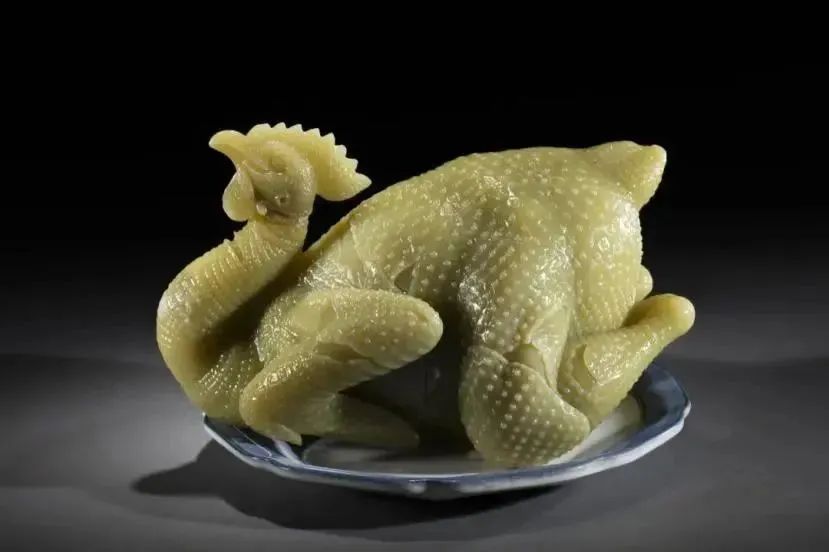
It turns out that this highly talked-about coffee was not a regular menu item, but rather an impromptu creation during the filming of promotional material by staff and an autistic barista. The shop’s original intention was to use a fun and lighthearted approach to raise awareness and understanding of the autism community, with no intent to demean or mock. This cross-boundary attempt was meant to spark conversation through creativity and thereby promote social good.
However, the situation took an unexpected turn. As the video spread widely online, some netizens edited it out of context and launched fierce criticism of the creative drink. Comments included emotionally charged statements such as “Cantonese people want to call the police,” “Too dark,” and even “Revoke their provincial citizenship,” turning what was originally a well-meaning idea into the epicenter of a wave of negative feedback.
In fact, no ingredients were wasted in the making of this drink, and the entire process was more like a bit of lighthearted interaction among colleagues. But when the video was distorted, amplified, and taken out of its original context, it not only caused psychological pressure on the involved barista but also brought unnecessary disruption to the daily operations of the nonprofit. Faced with an overwhelming tide of negative comments, the shop ultimately chose to delete the original video and called on the public to stop the misunderstandings and attacks.
This incident highlights how a simple creative video in the social media era can spark major controversy due to selective editing. For nonprofit organizations, it poses a thought-provoking challenge: how to convey positive messages while avoiding misunderstanding or even malicious sensationalism. It also serves as a reminder to netizens to stay rational and avoid joining in online harassment before understanding the full picture.
For coffee enthusiasts, this incident also provides food for thought: coffee is not just a beverage, but also a medium for cultural expression. From the precise water temperature control in pour over brewing to the unique flavor profiles of coffee beans from different regions, every step is infused with professionalism and care. Approaching it with a more open mindset might just lead to discovering many unexpected delights.
The above content is compiled by CoffeeHunters, a coffee news website.


