








Introduction:During Halloween, Luckin Coffee launched a limited-edition Pumpkin Oat Latte in collaboration with Pingu, attracting many consumers eager to try something new. However, the taste of this new product has sparked polarized discussions—some praise its rich pumpkin aroma, while others bluntly say it tastes like sweet porridge. This article provides a detailed analysis of its recipe composition, real consumer feedback, and explores the market strategy behind holiday-limited drinks, helping readers understand why opinions on this beverage are so divided.
Right before Halloween, Luckin Coffee unveiled a limited-edition new product in collaboration with the adorable character Pingu—the Pumpkin Oat Latte—which quickly drew a large number of consumers eager to be the first to try it. This drink, combining the Halloween theme with the oat milk trend, generated considerable buzz on social media, but its appearance and taste became the focus of online debates. Some were drawn in by the strong pumpkin aroma, while others found the flavor overly sweet and cloying, with some even joking that pairing it with Chinese hamburger (roujiamo) would make the perfect breakfast.
According to official information, this new product is a limited-edition flavor specially launched by Luckin during the Halloween holiday season, featuring cute co-branded packaging to catch the eye. However, compared to the often exaggerated designs from Starbucks, Luckin’s Pumpkin Oat Latte appears more understated in appearance, and without the cup’s labeling, it’s hard to tell from the outside that it’s a Halloween-limited edition.
Based on most users’ sharing, the preparation method of this drink is actually quite similar to Luckin’s previous flavored lattes, with the main difference being the replacement of the usual syrup with a thicker pumpkin sauce and the use of oat milk instead of fresh milk. This adjustment was originally intended to align with healthy eating trends while adding a festive atmosphere. However, it is precisely these changes that have led to considerable controversy over the flavor profile of the final product.
Many consumers were surprised after their first sip, as while they could clearly detect the strong pumpkin aroma, this flavor often overshadowed the taste of the coffee itself, making the overall drinking experience more akin to a sweet oat milk beverage. Some netizens pointed out that if not stirred well, the undissolved pumpkin sauce at the bottom could make the first sip taste even sweeter and more cloying—especially for those who don’t have a sweet tooth, who might still find it too sweet even when requesting less sugar.
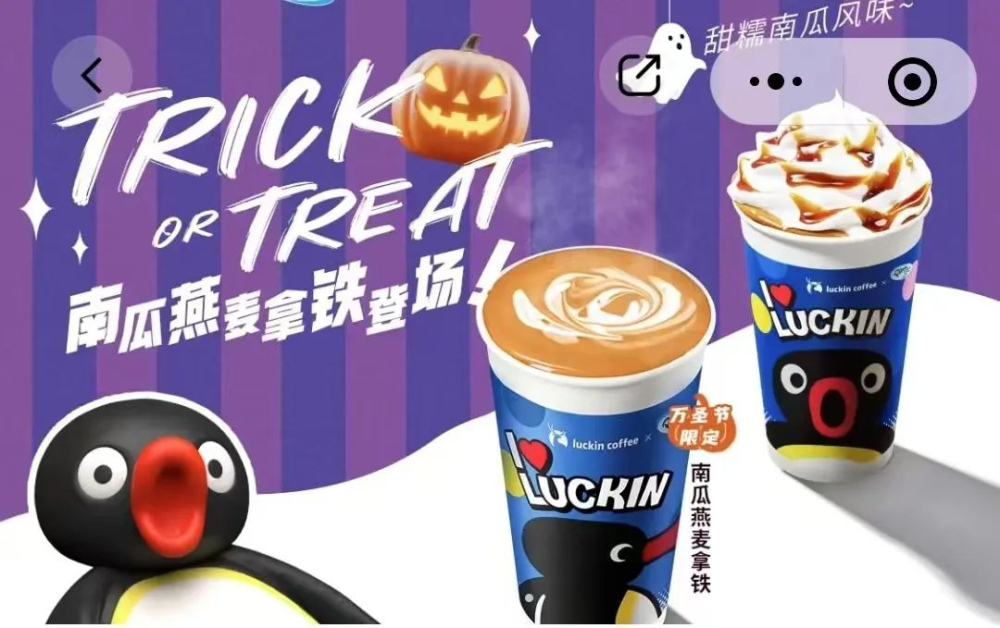
Customers who opted for the hot version reported that, due to the heat, the texture of the oat milk mixed with pumpkin sauce became even thicker, with some describing it as “watery pumpkin congee” or “pumpkin rice water,” creating an overall experience that fell somewhat short of expectations for a coffee beverage. However, some consumers argued that holiday-limited products are primarily about novelty and photo appeal, and may not necessarily aim to replicate the classic coffee flavor.
In response to this wave of consumer feedback, some observers noted that although Luckin’s Pumpkin Oat Latte is Halloween-themed, its actual recipe is not much different from past flavored lattes, with the festive atmosphere achieved simply by swapping out ingredients. This approach of “same old, same old” left some customers who value innovation and unique flavors feeling disappointed, believing the brand only released a perfunctory product to ride the holiday hype.
However, there are also voices arguing that holiday-limited beverages are primarily about short-term topics and novelty, with many customers buying them mainly to experience the festive atmosphere and take photos to share—without necessarily expecting long-term consumption or high-quality coffee performance. Under such market logic, whether brands should invest significant resources into developing entirely new recipes has also become a focal point of industry discussion.
The above content is compiled by CoffeeHunters, a coffee news website.


