







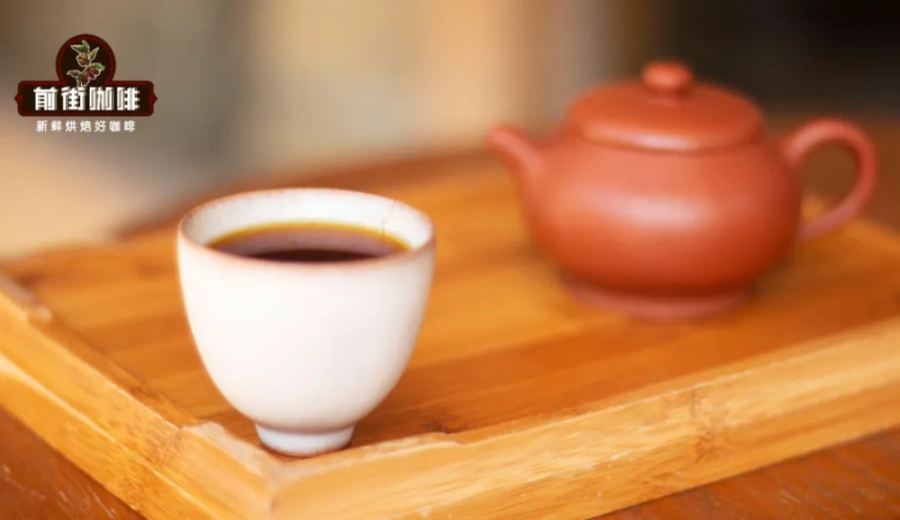
Introduction:Purple clay teapots are typically used for brewing tea, but can they be used to extract coffee? To find out, we conducted a series of practical tests, trying out a purple clay teapot with coffee beans of different roast levels and processing methods to observe their flavor performance and extraction feasibility. This article will detail the powder-to-water ratio, water temperature, grind size, and steeping time used during testing, along with TDS values and detailed flavor descriptions, to help you understand the potential and limitations of this unique brewing method.
Purple clay teapots have always been a favorite among tea enthusiasts, but have you ever thought about using one to brew coffee? This seemingly unconventional combination actually holds some interesting brewing principles. We hands-on tested it ourselves, using a roughly 150ml purple clay teapot to extract coffee beans with varying flavor profiles, exploring its feasibility and actual performance.
The reason purple clay teapots are favored mainly lies in their special clay material and dual-pore structure, which allows them to adsorb some off-flavors when brewing tea and make the tea liquor smoother. Similarly, these characteristics are believed to have a certain impact on coffee extraction, especially in managing bitterness and impurities. However, the brewing methods for coffee and tea are actually quite different, and whether the transition can be perfectly made is worth deeper exploration.
The purple clay teapot used in this test has a capacity of approximately 150ml, suitable for using about 8–9 grams of coffee grounds. It’s important to note that the spout of a purple clay teapot is relatively wide, and for finer coffee grounds, there’s a tendency for fine particles to enter the coffee liquid, affecting the purity of the taste. Therefore, even after steeping, it’s recommended to use a paper filter for a secondary filtration to ensure a smoother drinking experience.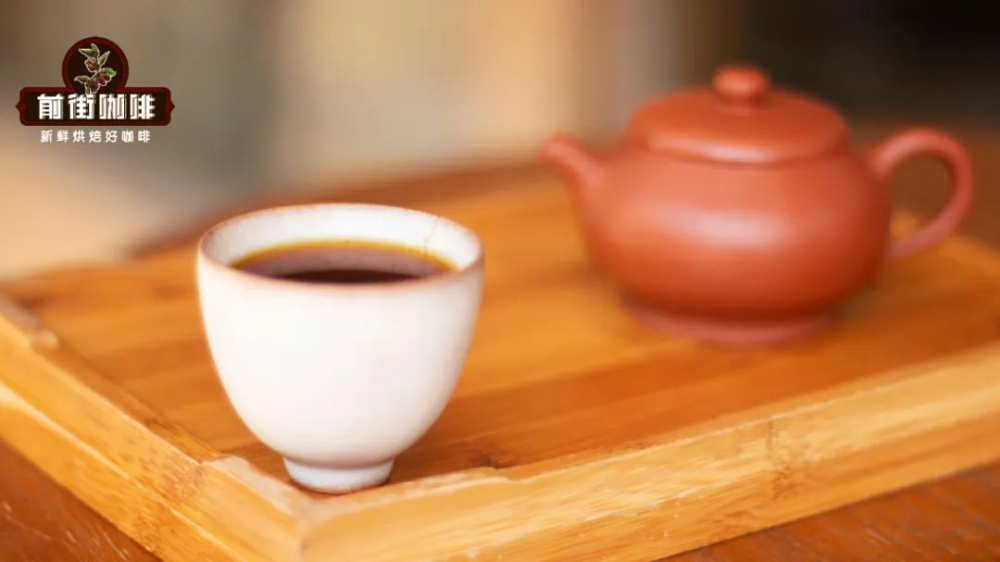
From the perspective of extraction principles, using a purple clay teapot is actually similar to immersion brewing, sharing similarities with a French press. Therefore, when operating, there’s no need to overly fixate on a single set of numbers. Instead, it’s better to flexibly adjust water temperature, grind coarseness, and steeping time based on the beans’ characteristics to achieve better extraction results.
First, we selected a medium-dark roasted "Papua New Guinea · Bird of Paradise" as the first test subject. This bean has a relatively balanced flavor profile, featuring toasted bread, sugarcane sweetness, and a hint of fruit acidity, belonging to a gentle and delicate type.
[Parameter Settings]
Coffee Bean: Papua New Guinea · Bird of Paradise
Dose: 9 grams
Powder-to-Water Ratio: 1:15
Water Temperature: 88°C
Grind Size: EK43s at setting 10.5 (approximately 75% passing through a #20 sieve)
Steeping Time: 3 minutes
In actual operation, the coffee grounds were directly poured into an unpreheated purple clay teapot, followed by pouring in 135ml of hot water. Avoid excessive stirring; instead, use the water flow to evenly wet the coffee bed. Then cover the teapot and let it steep for three minutes, minimizing movement of the teapot to facilitate stable extraction.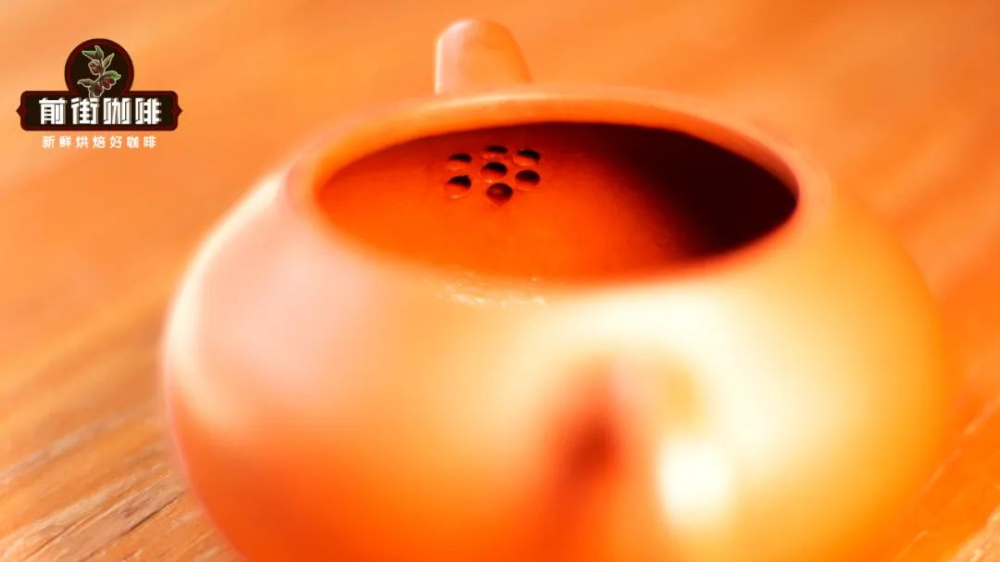
When the time was up, we used a paper filter and filter cone to filter out the remaining coffee grounds. During the process, fine grounds occasionally clogged the spout, requiring gentle shaking of the teapot to assist the coffee liquid in flowing out. The final measured TDS of this cup of coffee was 1.00%. In terms of flavor, it exhibited an oolong tea-like character, accompanied by the aroma of roasted nuts and almond biscuits. The aftertaste was clear but overall the flavor was rather flat, which we suspect is related to slightly insufficient extraction.
To further test the adaptability of the purple clay teapot to different processing methods, we next selected two representative beans: Colombia · Hope Estate Honey Processed Geisha and Ethiopia · Kochere Washed. This time we slightly adjusted the parameters, increasing the water temperature to 94–95°C and grinding the beans half a setting finer (approximately 80–82% passing through a #20 sieve), aiming to bring out richer aromas and layers.
[Adjusted Parameters]
Coffee Beans: Colombia · Hope Estate Honey Processed Geisha & Ethiopia · Kochere Washed
Dose: 9 grams
Powder-to-Water Ratio: 1:15
Water Temperature: 94–95°C
Grind Size: EK43s at setting 9.5 (approximately 80–82% passing through a #20 sieve)
Steeping Time: 3 minutes
The actual test results showed that the TDS of the Hope Estate Honey Processed Geisha was 1.21%, while the Kochere washed bean was 1.11%. In terms of flavor, the honey processed Geisha displayed rich fruit tones, including dried fruit, orange, and black tea aromas, with bright acidity and a refreshing aftertaste accompanied by a candy-like sweetness, leaving a deep impression. The Kochere, on the other hand, showed a more balanced performance, led by citrus acidity, accompanied by honey, roasted sweet potato, and green tea notes in the finish, with an overall mild and harmonious profile.
Summarizing several rounds of testing, coffee brewed with a purple clay teapot generally demonstrated good sweetness and a clean mouthfeel, resembling the experience of drinking tea. However, most cupping results showed that its body felt slightly lacking, with flavor layers being rather thin compared to traditional pour over or French press brewing, offering less dimensionality and richness.
Although the purple clay teapot is not a mainstream coffee brewing tool, through this test, we believe that if you’re curious about teapot brewing or want to explore different extraction experiences, as long as you adjust the parameters appropriately, you can still achieve a satisfying flavor experience. Of course, if you’re seeking a richer taste and more layers, it’s still advisable to choose professionally designed coffee equipment.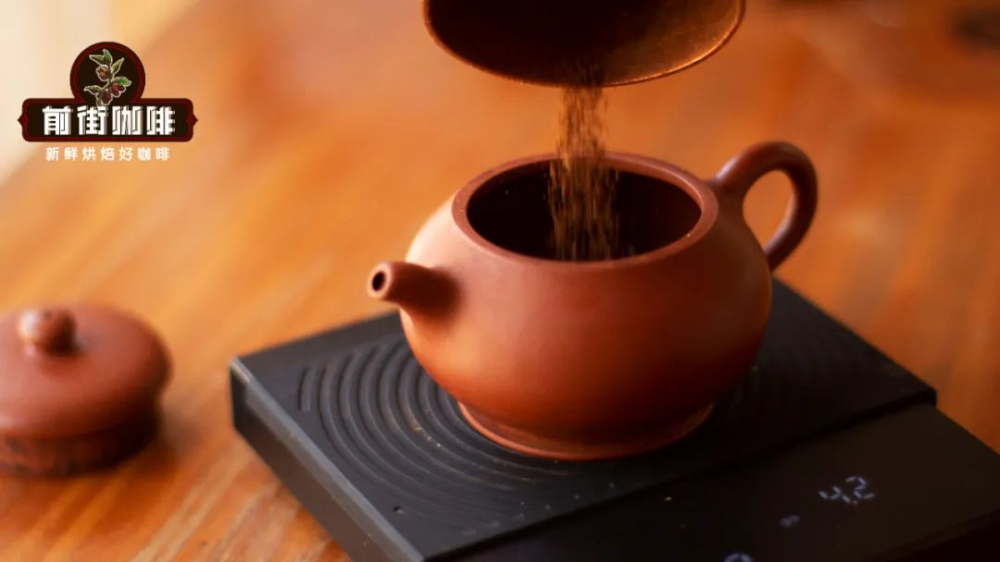
The above content is compiled by CoffeeHunters, a coffee news website.


