







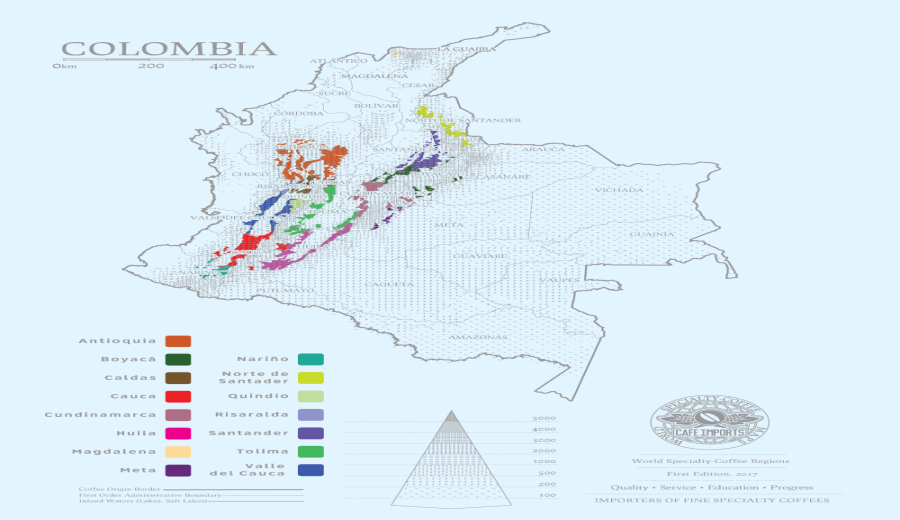
Introduction:The Huila region, as one of the most representative sources of specialty coffee in southern Colombia, is renowned for its unique geographical conditions and high-quality beans. This article will delve into the terroir characteristics, climatic advantages, and the captivating flavor profiles of coffees from this region, helping you understand why Huila has become a top choice for specialty coffee enthusiasts worldwide.
Colombia is not only the world’s third-largest coffee producer but also boasts 15 distinct coffee-growing regions thanks to its diverse terrain and climate. Among them, the Huila region, located in the southern highlands at the intersection of the central and eastern mountain ranges, has rapidly risen to prominence in the specialty coffee scene in recent years. It frequently appears on the COE (Cup of Excellence) winner lists and is regarded by many coffee lovers as a treasure trove of flavors.
Huila is characterized by its high-altitude valley terrain, with its core areas featuring fertile volcanic soils rich in minerals—ideal for coffee cultivation. The average elevation of the region exceeds 1,500 meters, and its climate is mild and stable, with diurnal temperature variations typically ranging between 17 to 23 degrees Celsius. The cool mountain breezes help slow the ripening process of coffee cherries and facilitate the accumulation of flavor compounds, resulting in beans with a tightly structured and layered profile.
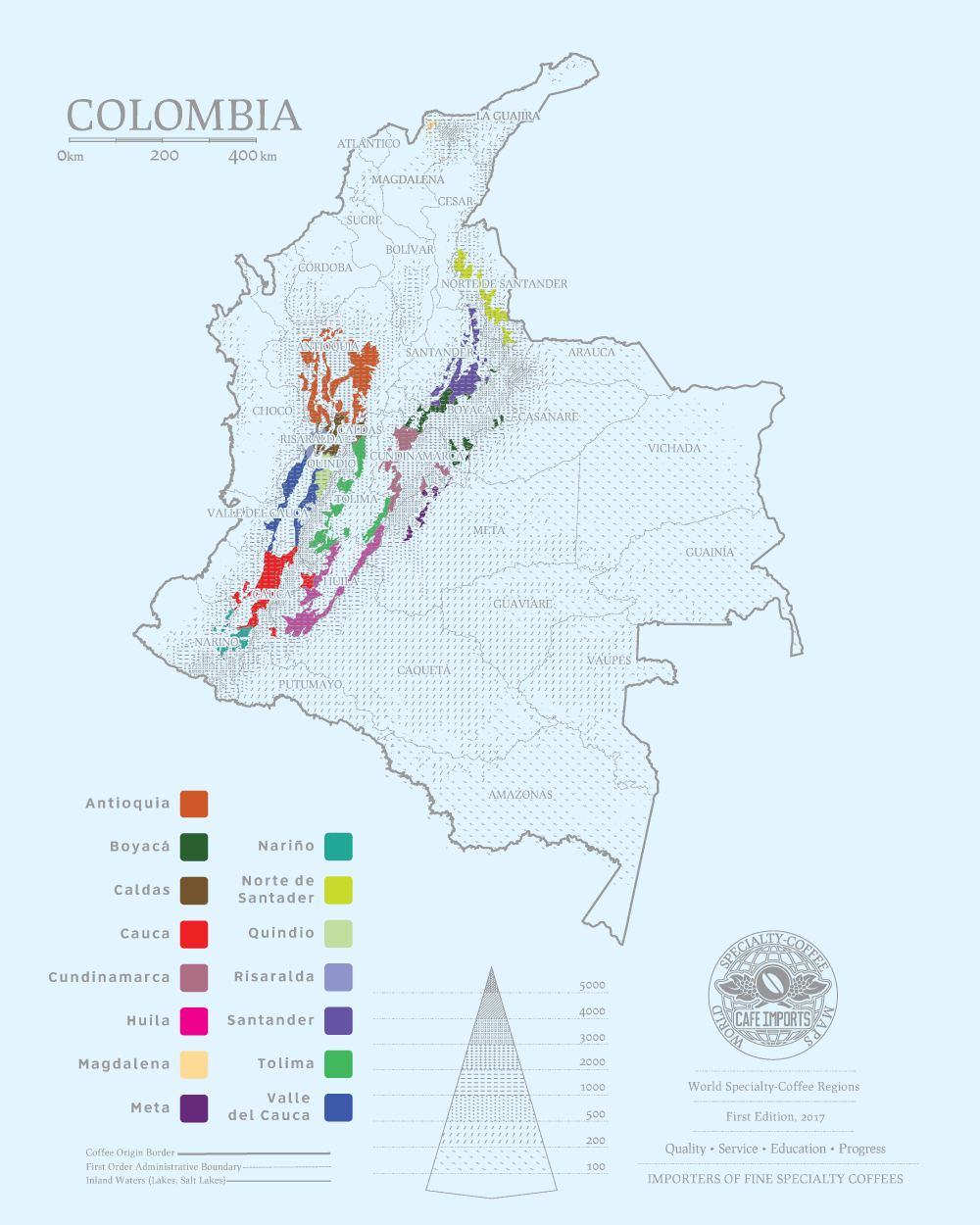
Compared to traditional coffee-growing regions in central Colombia—such as Quindio and Cundinamarca, which once dominated the market—Huila’s coffee cultivation started relatively late, with early farming mainly focused on mixed agriculture including grains, fruits, tobacco, and sugarcane. However, with the rise in demand for specialty coffee, many international buyers discovered that not only does this region offer stable production, but its beans also possess exceptional cup potential. Especially under washed and honey processing methods, they often exhibit notes of nuts, dark chocolate, caramel, and bright, pleasant acidity, quickly becoming popular choices in the market.
Particularly notable is Pitalito, located in the southwestern part of the region, which serves as the most crucial hub for coffee production and distribution within Huila. Although local coffee farms are generally small, averaging just around 2 hectares, meticulous cultivation practices and refined post-harvest processing have given rise to renowned micro-lots such as El Diviso and El Rorble estates. These farms have achieved outstanding results in both domestic and international competitions through strict quality control and a consistent pursuit of excellence in flavor.
In 2013, Huila officially received government recognition as an official Denomination of Origin, further solidifying its status in the specialty coffee map. Currently, the region accounts for about 18% of Colombia’s total coffee output. While ensuring volume, it also maintains a high level of quality consistency—an important factor in its international success.
If you're curious about exploring specialty coffee in your daily routine, consider trying a washed Caturra coffee bean from the Huila region. Processed using standard washed methods, these beans often showcase a rich profile of dark chocolate, accompanied by delicate caramel sweetness and warm nutty aromas. When brewed at medium to low temperatures, a subtle citrus acidity can often be detected, with a sweet and lingering finish—making it an excellent entry point for discovering specialty coffee.
Additionally, the Huila region benefits from abundant river resources and high-quality water, which provide crucial support for the stability of washed processing. Consistent water quality not only aids in better control of the fermentation process but also improves the uniformity of green bean drying, further ensuring flavor consistency. This is also one of the reasons why coffees from this region maintain a good balance across various roast levels.
The above content is compiled by CoffeeHunters, a coffee news website.


