







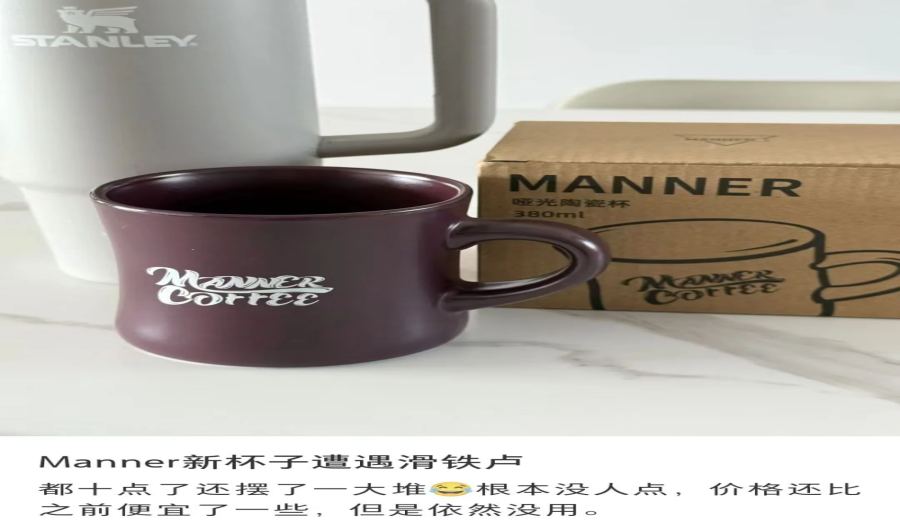
Introduction:The matte ceramic cup recently launched by Manner and given away with its double-cup set has drawn consumer attention due to issues such as water seepage and cracking after exposure to hot water. Some users reported that although the cup was labeled as microwave-safe, it actually could not withstand high temperatures, with some store staff even advising against using it for hot drinks. This article delves into the reasons behind this quality control controversy and offers practical advice on the use and selection of ceramic cups to help consumers avoid potential risks.
In Manner’s latest double-cup set, a matte-colored ceramic cup was included as a free gift. Unexpectedly, reports of water seepage at the bottom and cracking of the cup body after pouring in hot water sparked considerable discussion on social media. Many consumers expressed concern over the safety of a cup that was advertised as both microwave and dishwasher safe, yet reportedly cracked during normal use. Even more surprising was that some store employees were instructed to actively remind customers not to fill the cup with overly hot liquids, prompting netizens to comment: “A ceramic cup that can’t hold hot coffee—how is this design even reasonable?”
Although Manner has continued its tradition of giving away free cups with purchases, the market response this time fell short of expectations. Some consumers noted that in the past, when Manner released merchandise, items often sold out quickly, with customers having to visit multiple stores just to get one. However, several days after the release of the matte ceramic cup, some stores still had ample stock, a stark contrast to the previous buying frenzies.
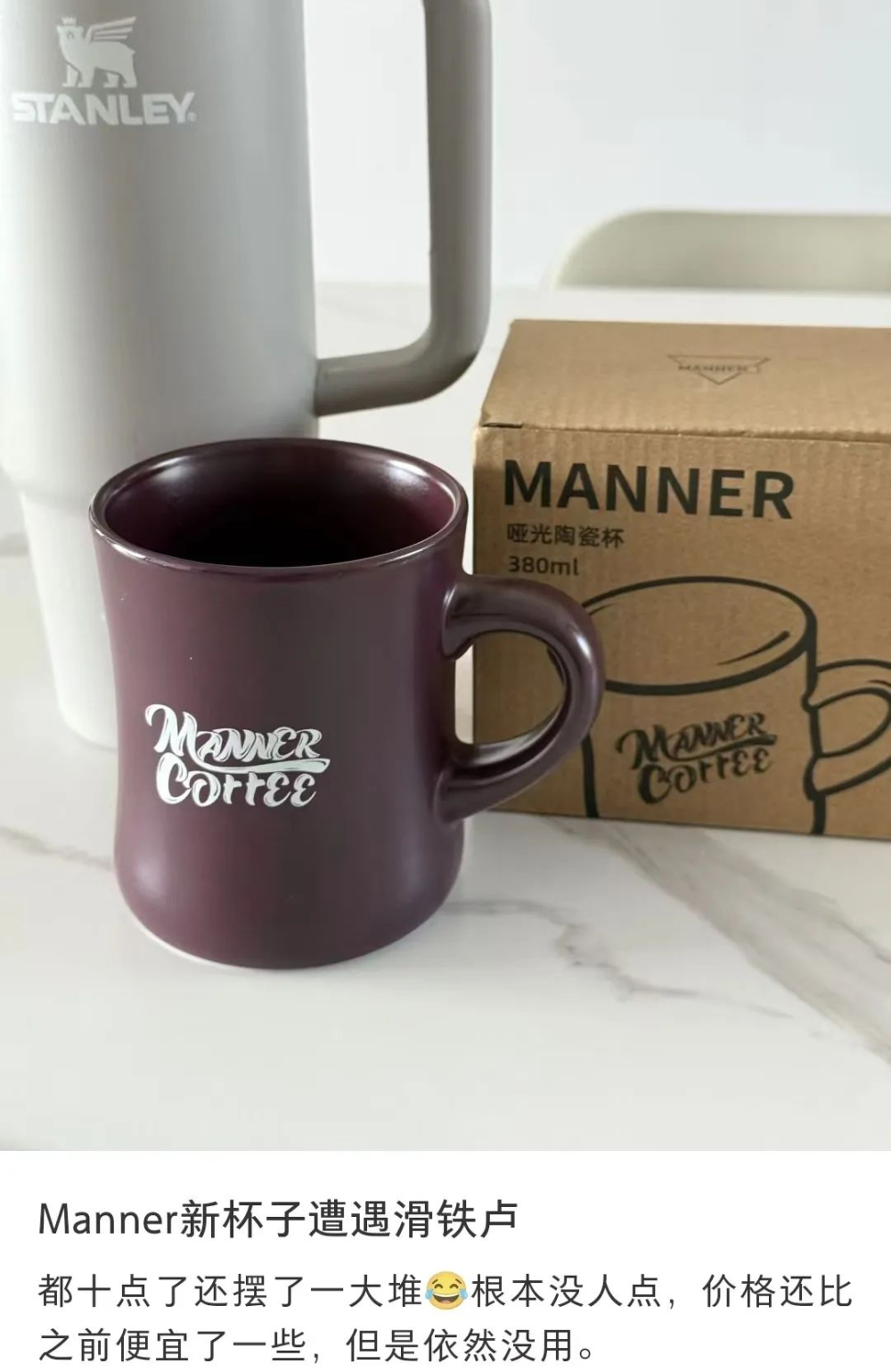
Some observers pointed out that the lukewarm sales of the ceramic cup might be related to its appearance design. The dark purplish hue combined with a matte finish was described by some consumers as “looking like a spoiled eggplant,” lacking visual appeal. Additionally, many users on social platforms shared experiences of noticing obvious defects in the ceramic cups, further dampening purchase interest.
But the more critical issue lies in quality control and usage safety. Numerous online posts mentioned that the ceramic cup may develop bottom leakage or even crack unexpectedly after being filled with hot water. One netizen stated that although the cup’s packaging indicated it was microwave and dishwasher safe, it suddenly cracked during actual use. Fortunately, no one was injured, but the incident raised doubts about the product’s safety.
It has been reported that some stores have received related customer complaints, and staff members have started proactively warning customers not to pour in overly hot liquids. However, such “friendly reminders” have drawn backlash from consumers: “If you can’t even put hot coffee in it, what’s the practical use of this ceramic cup?” Many buyers have said that they now only use the cup for planting flowers or storage, no longer daring to fill it with hot drinks.
For long-time collectors of Manner merchandise, the drop in quality this time is particularly noticeable. In the past, branded gifts such as mugs or tumblers, even if they had minor flaws, generally remained durable and usable for years without breaking. However, the quality control of recent merchandise seems to have declined—not only are there more disputes over the design, but even basic usage safety is being questioned.
One loyal customer pointed out that while the brand’s intention behind offering merchandise with purchase sets is to enhance the customer experience, it must be premised on ensuring product quality. If even the most basic heat resistance requirements can’t be met, it not only affects consumer trust but can also turn what should be a beneficial promotion into a negative experience. Especially since many customers buy these sets because they appreciate the brand culture, poor-quality merchandise can backfire.
Industry experts suggest that when selecting ceramic cup accessories, consumers should not only focus on the appearance but also pay close attention to material labeling and heat resistance specifications. Generally speaking, ceramic cups truly suitable for microwave use and holding hot beverages should be labeled as “high-temperature fired” or come with relevant heat-resistant certifications. Additionally, users should avoid pouring extremely hot liquids into the cup all at once to reduce the risk of cracking caused by thermal shock.
The Manner ceramic cup controversy not only highlights the challenges the brand faces in controlling the quality of its merchandise, but also serves as a reminder to consumers to maintain basic vigilance regarding product safety even when enjoying promotional offers. For coffee enthusiasts, choosing accessories that are both aesthetically pleasing and practical is the key to truly enhancing everyday drinking experiences.
The above content is compiled by CoffeeHunters, a coffee news website.


