








Introduction:In addition to its renowned Geisha, the Emerald Estate's Diamond Mountain series also showcases the exceptional potential of the Catuai variety. This sun-dried coffee from Panama’s high-altitude regions boasts captivating layers of citrus, honey, and cocoa. This article delves into the characteristics of the Diamond Mountain variety, details of its processing method, and provides practical pour over tips — including filter choice, grind size, water temperature, brew ratio, and pulse pouring techniques — to help you fully unlock its sweetness and complex aftertaste.
In 2004, the Emerald Estate won the BOP international competition with its Geisha, becoming a legend in the specialty coffee world ever since. However, besides Geisha, this top-tier estate in Panama also cultivates other premium varieties, among which the Diamond Mountain series is particularly worth exploring. The main variety of this series is Catuai, grown at elevations of 1400 to 1700 meters in the two high-altitude farms, Canas Verdes and Jaramillo, giving rise to its unique flavor profile.

Though not as widely known as Geisha, the quality of the Emerald Diamond Mountain series is equally outstanding. Many coffee enthusiasts, when tasting this Catuai from Panama’s Boquete region, often report that its flavor layers are not very distinct, or that its sweetness and aroma do not fully come through. This article will guide you through the background of the Diamond Mountain variety, its processing features, and share detailed pour over techniques to help you brew a captivating cup with citrusy sweetness, honey texture, and cocoa aftertaste.

Emerald Diamond Mountain is part of the Emerald Estate and, like the famous Geisha Red Label and Green Label, is an independent and representative product line. This series focuses on the Catuai variety, grown primarily in the two highest-altitude farms in the Boquete region — Canas Verdes and Jaramillo — with an average elevation between 1400 and 1700 meters.
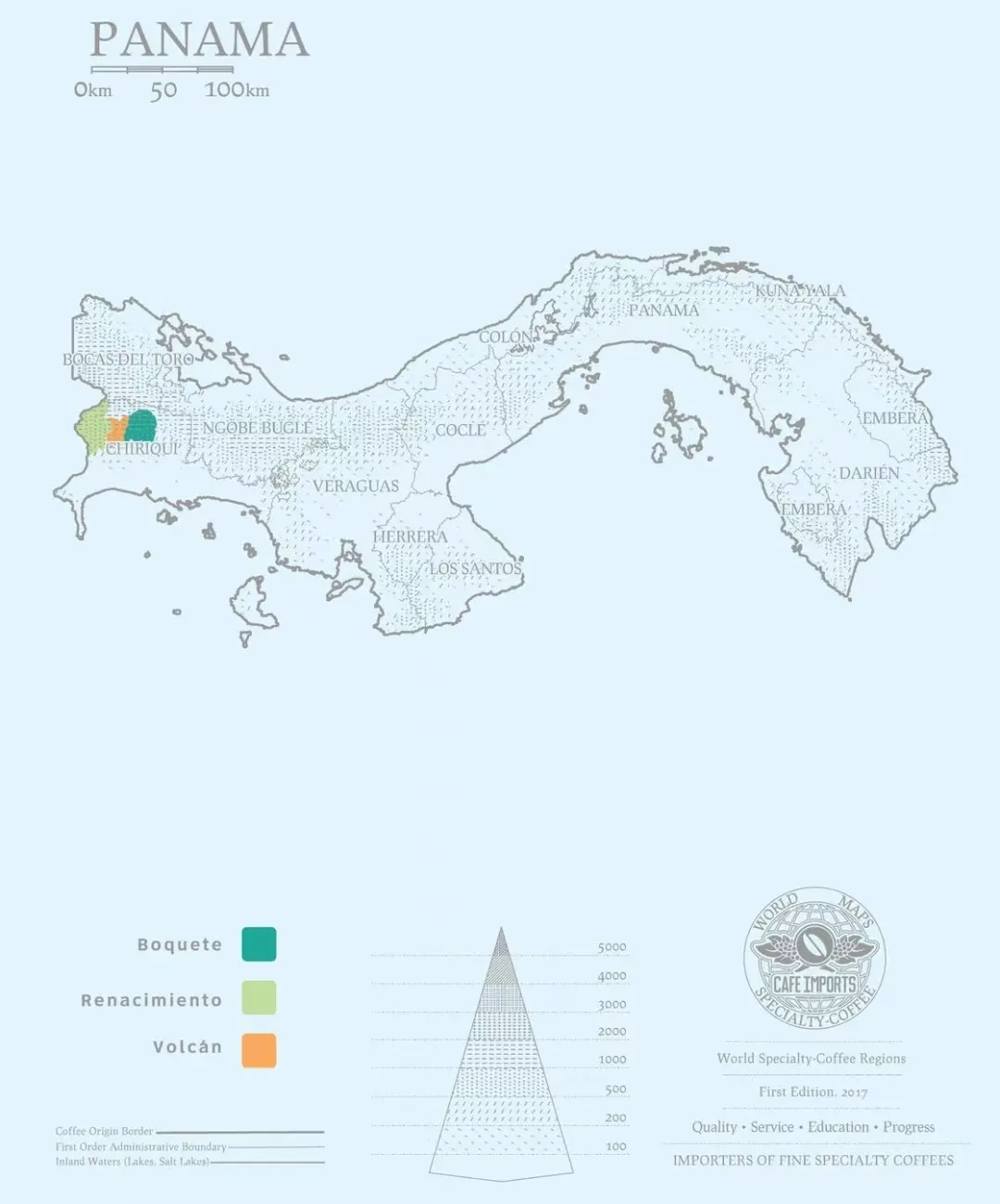
Boquete is located in Panama’s Chiriquí Province and is a coffee-growing region renowned for its high altitude and diverse microclimates. This town borders Panama and Costa Rica and lies at the foot of the Central Mountain Range. With abundant rainfall year-round and the influence of the Barú Volcano, the soil is rich in natural volcanic minerals, providing an ideal growing environment for coffee trees.
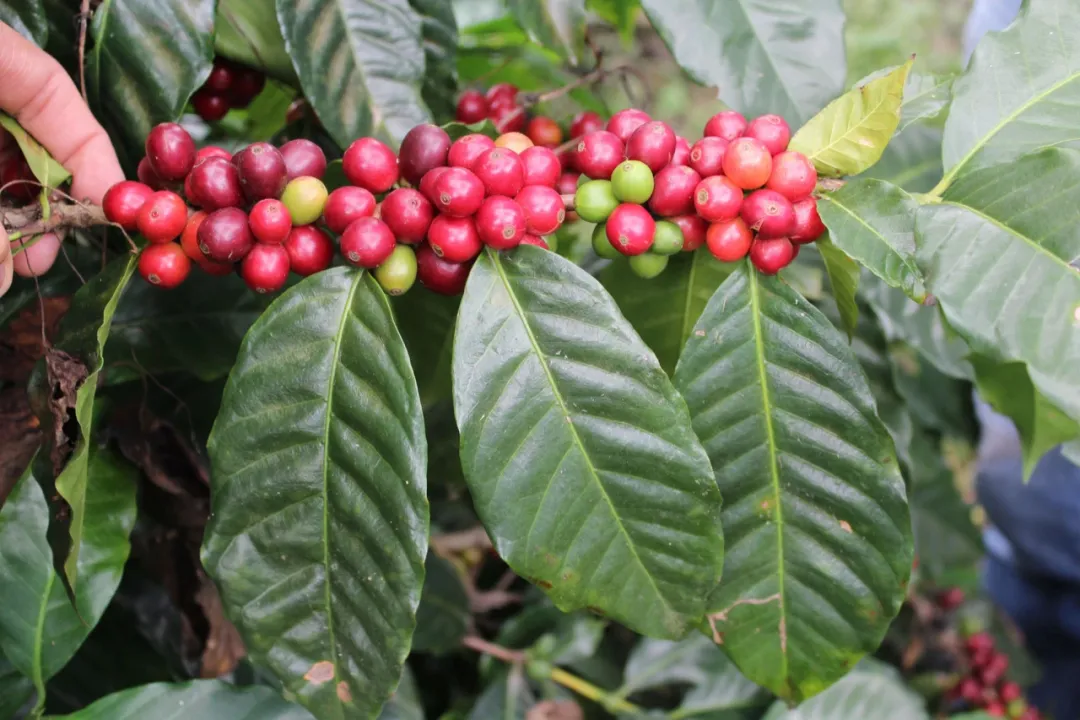
Speaking of the core variety of the Diamond Mountain series — Catuai — its name originates from the Guarani language, meaning “very good.” This variety is a hybrid of Yellow Caturra and Mundo Novo, originally designated as H-2011. Catuai not only has outstanding flavor potential but also offers practical advantages such as high yield and strong disease resistance. It has a relatively wide adaptability to altitude and environment, which is why it is often planted in areas unsuitable for Geisha.
It is worth noting that Catuai plants are generally shorter, allowing planting density to be up to twice that of typical Arabica varieties (such as Bourbon), significantly increasing yield per unit area. However, due to their shorter stature, their flavor expression relies on refined post-harvest processing and brewing techniques to fully realize their potential.
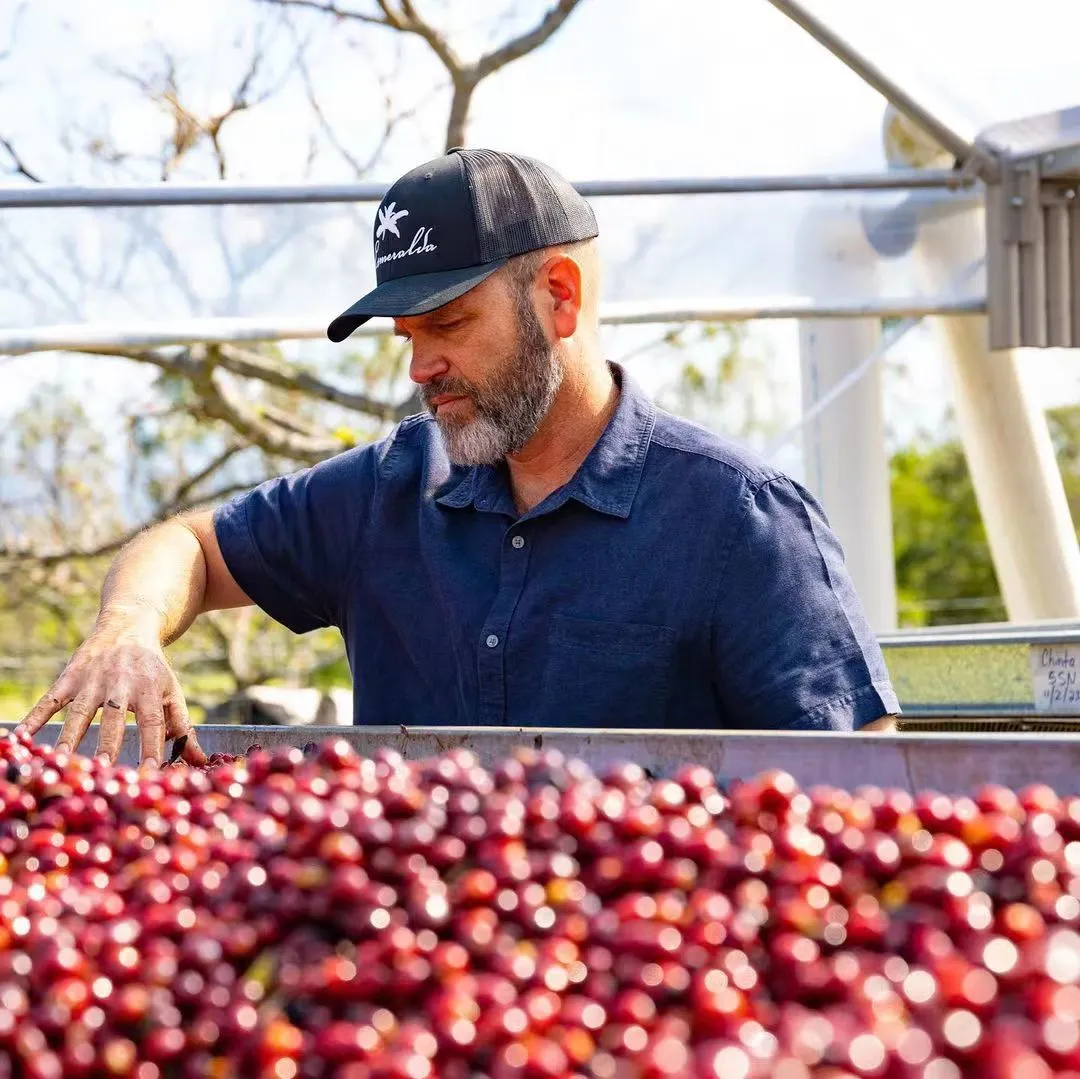
The Diamond Mountain coffee introduced here is processed using the natural (sun-dried) method. This approach involves drying the entire coffee cherry — pulp and all — along with the seeds, for about 20 days until the moisture content reaches the ideal standard. Because the sugars in the pulp are fully involved in a prolonged fermentation process, sun-dried beans typically exhibit richer aromas, softer wine-like qualities, and more pronounced sweetness.
To fully highlight the delicate flavors of this medium-light roasted bean, it is recommended to use a refined brewing method to bring out its layered notes of citrus, honey, and cocoa.
For hands-on brewing, the V60 filter cone is recommended. Its distinctive conical structure and fast flow rate help create uneven yet layered extraction, making the coffee’s sweetness, acidity, bitterness, and aromas more distinct. As this is a medium-light roast, the grind size is suggested to be around 80% passing through a #20 sieve — roughly the coarseness of fine sugar — to facilitate the release of flavor compounds.
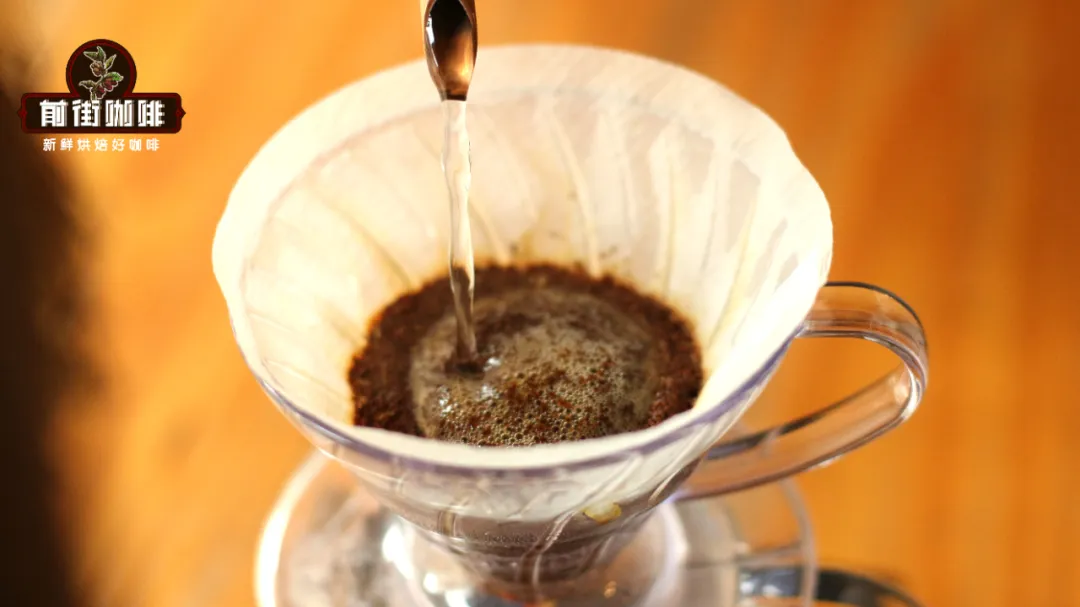
Water temperature is advised to be controlled between 92°C and 93°C, with a brew ratio set at 1:15. This ratio balances intensity and clarity of flavor. Begin with a bloom phase by pouring about 25ml of hot water and let it sit for 30 seconds. This stage helps the coffee grounds degas and awaken their flavors.
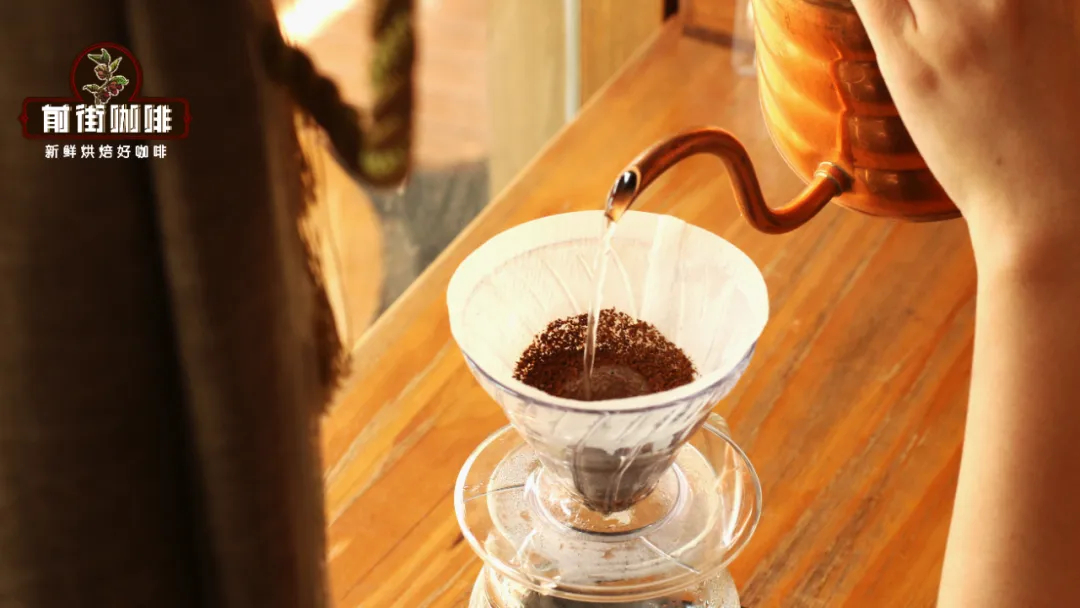
Since medium-light roasted Catuai has a lower expansion rate and slower water absorption, it’s recommended to pour slowly in a slow spiral from the center outward during blooming to avoid over-pouring and channeling issues, ensuring even saturation of each coffee ground.
After blooming, enter the main extraction phase. The first pour involves about 130ml of hot water, using a medium-to-high flow rate and spiraling from the center outward, aiming to complete this within about 1 minute. This helps lift the coffee bed so subsequent pours can directly reach the bottom grounds. Once the water level drops noticeably — around 1 minute and 20 seconds — proceed with the final pour by using small circles combined with medium flow, keeping total brew time around 1 minute and 35 seconds. Then let it drip through before removing the filter.
Following the above pour over process, you’ll be able to fully experience the unique charm of this Diamond Mountain Catuai: an upfront bright citrusy sweetness, a mid-palate with a silky honey-like texture, and a warm cocoa aftertaste. The natural processing lends a gentle wine-like aroma that doesn’t overpower, resulting in a well-layered and memorable cup.

By understanding the variety’s characteristics, processing details, and precise brewing parameters, you too can easily brew a competition-level Emerald Diamond Mountain Catuai at home, enjoying the art of coffee crafted by high altitude and meticulous processing.
The above content is compiled by CoffeeHunters, a coffee news website.


