







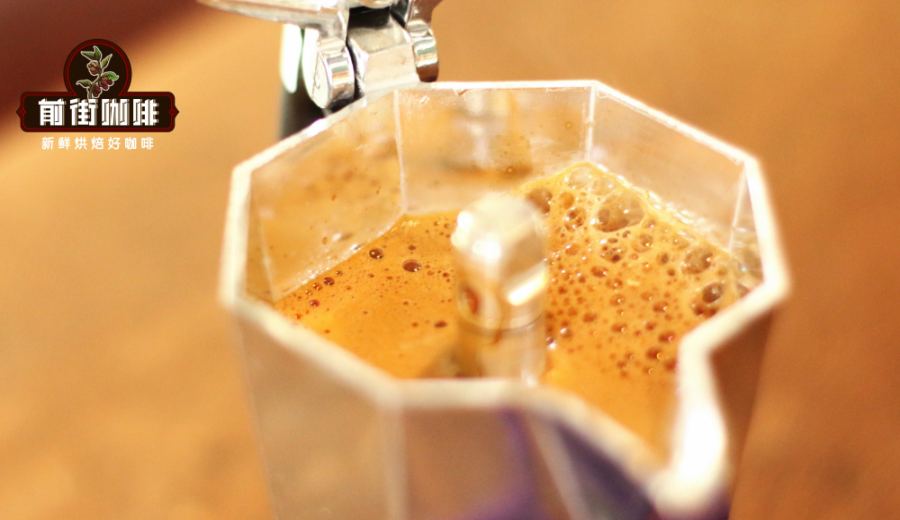
Introduction:Have you ever wondered why the coffee brewed with a Moka pot can't produce creamy microfoam like that from a professional espresso machine? The key lies in the fundamental difference in the nature of their crema (oil layer)! This article delves into the invention background, extraction pressure, and crema formation principles of the Moka pot and espresso machines, analyzing why Moka pot crema tends to be coarser and dissipates more easily, and offering practical advice to help you extract richer crema with your Moka pot, taking your home coffee experience to the next level.
Since its invention in 1933 by Italian engineer Alfonso Bialetti, the Moka pot has become a popular choice for many coffee beginners due to its compact design and ability to brew strong coffee. However, many people mistakenly believe that the Moka pot can also produce the golden crema capable of latte art like a professional espresso machine. In reality, due to the significant difference in extraction pressure between the two, the crema produced by the Moka pot—in terms of fineness, stability, or longevity—can hardly compare to that of an espresso machine. So, what exactly is coffee crema? How do the Moka pot and espresso machine differ in pressure? And how can you extract richer crema using a Moka pot? Let’s explore it together.
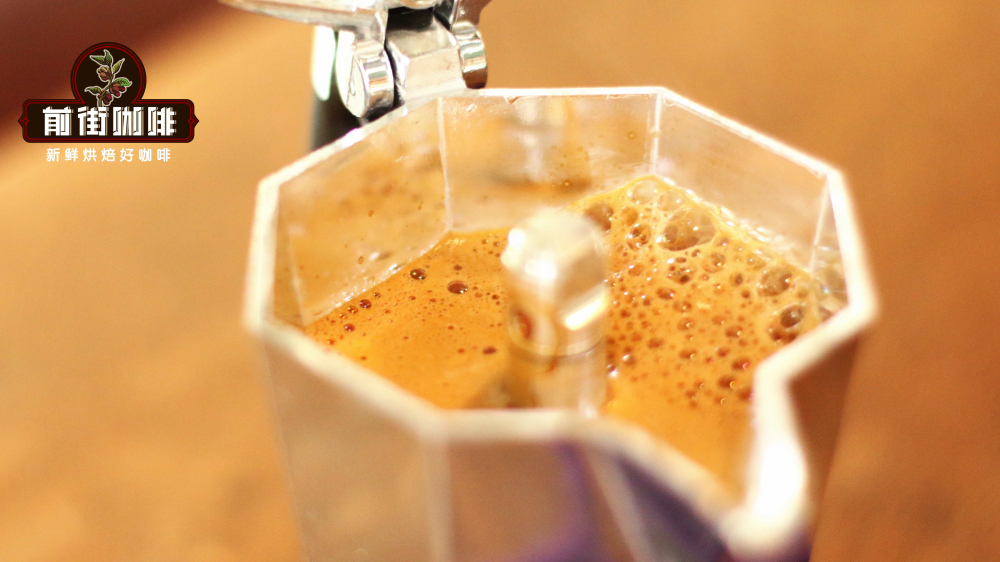 The Moka pot was born in 1933, invented by Italian engineer Alfonso Bialetti. This classic pressurized coffee maker, beloved for its portability, compact size, and ability to brew strong coffee, is adored by coffee enthusiasts worldwide. If you’ve chosen it for its convenience and bold flavor, it’s definitely worth getting. But if you expect it to produce delicate crema suitable for latte art like a professional machine, you may need to reconsider.
The reason is that the crema produced by the Moka pot is fundamentally different from the golden layer we usually refer to—floating on top of espresso from a professional espresso machine. This so-called "crema" is not actually true oil, but a cluster of tiny bubbles formed by carbon dioxide and lipids in the coffee beans.
So,what exactly is coffee crema?In the coffee world, this substance commonly called "crema" is often misunderstood as animal or plant fat. In fact, it consists of fine bubbles formed under high pressure by the combination of carbon dioxide and the lipids naturally present in coffee beans. These bubbles give the surface a velvety texture and a buttery mouthfeel, hence the name “Crema,” borrowed from the Spanish word for “cream.” This Crema not only affects appearance but is also an important indicator of espresso flavor and freshness. In Taiwan and Chinese-speaking regions, due to language translation, it is often mistakenly understood as "oil."
To form this delicate Crema, there are two key elements: first, using freshly roasted, medium-to-dark roasted coffee beans, and second, extracting under high pressure. During the roasting process, coffee beans accumulate a large amount of carbon dioxide—the darker the roast, the higher the gas content typically is—so light roasts are less suitable for producing rich Crema. If you want to enjoy high-quality espresso at home, consider choosing medium-to-dark roasted blends first, such as those with caramel notes, which can help enhance the crema performance.
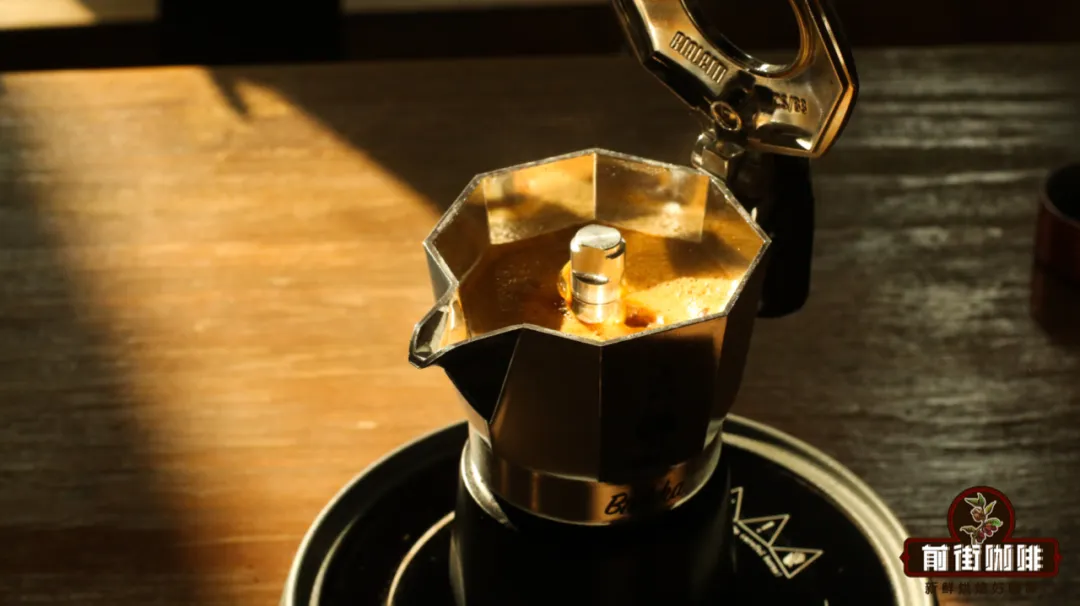 When high pressure and high temperature act together, the lipids in the coffee grounds are broken down into tiny particles and combine with the released carbon dioxide, forming the golden, fine, and velvety crema layer that floats on the surface of the espresso. This crema not only impacts visual appeal but is also directly related to the aroma and taste of the coffee.
Although both the Moka pot and espresso machines are pressurized brewing tools and can produce similar crema-like effects, the differences between them are still significant. The key lies in:the pressure used in each is completely different.Generally speaking, professional espresso machines are set to an extraction pressure of9barbars, and under sufficient puck resistance, the pressure can even be higher. Such high pressure stabilizes the bubble structure, giving the Crema richer aroma and longer-lasting persistence.
In contrast, the Moka pot operates at only2~3barbars, and even dual-valve models are roughly the same. This pressure is insufficient to form stable bubble structures; the lipids in the coffee cannot fully decompose or effectively combine with carbon dioxide under low pressure. Therefore, the “crema” produced by the Moka pot is not only coarser in texture, but also dissipates rapidly within about two minutes, failing to maintain the integrity and velvety density of true Crema, and is naturally unsuitable for latte art.
That’s why many people believe the “crema” from a Moka pot and the Crema extracted by an espresso machine are fundamentally different. However, if you still hope to achieve richer crema effects with your Moka pot, it’s not entirely impossible—the key lies in mastering the right brewing techniques and parameters.
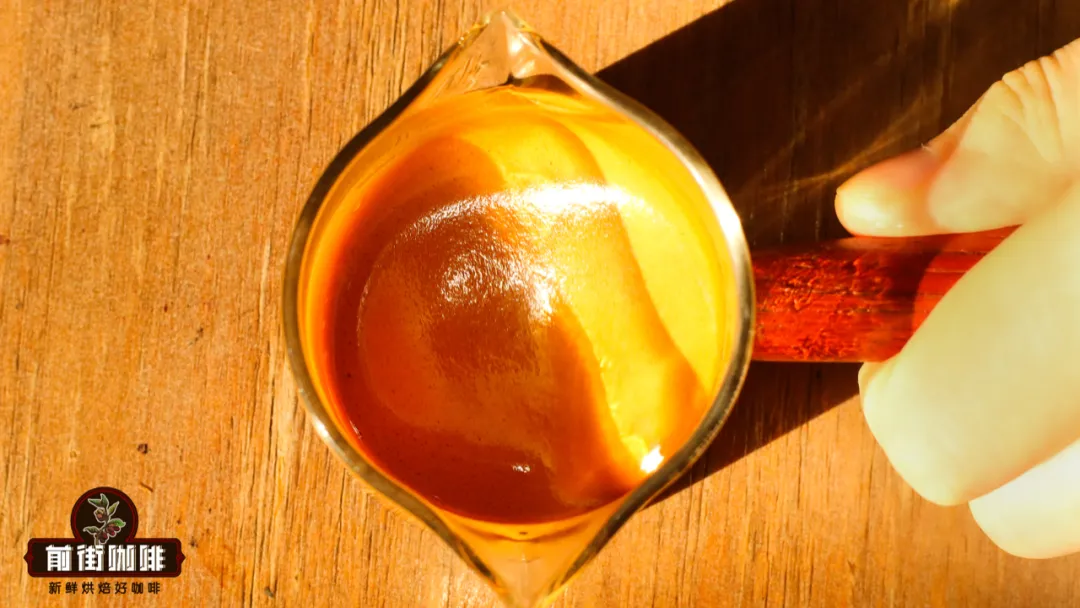 If you want to extract thicker crema with your Moka pot, your first task is toincrease the extraction pressureandchoose suitable medium-to-dark roasted coffee beans. The greater the pressure, the more it helps form stable bubble structures; and the higher the carbon dioxide content in the coffee grounds, the more it promotes crema formation. Although the Moka pot can’t reach the 9 bars of a professional machine, by adjusting grind size, tamp pressure, and water temperature, you can still optimize the extraction effect to some extent, making the crema performance more pronounced. Remember, more crema isn’t always better—stability and fineness are the keys!
The above content is compiled by CoffeeHunters, a coffee news website.


